India’s decision to slash duty drawback rates on gold and silver jewellery exports will squeeze margins for exporters just as the sector was getting relief from higher refunds in July. For a business built on thin spreads and global price competition, that makes the cut more than a bookkeeping change — it directly affects cash flows, pricing power and the attractiveness of India as a manufacturing base for precious metal exports.
India Cuts Gold and Silver Jewellery Export Rebates
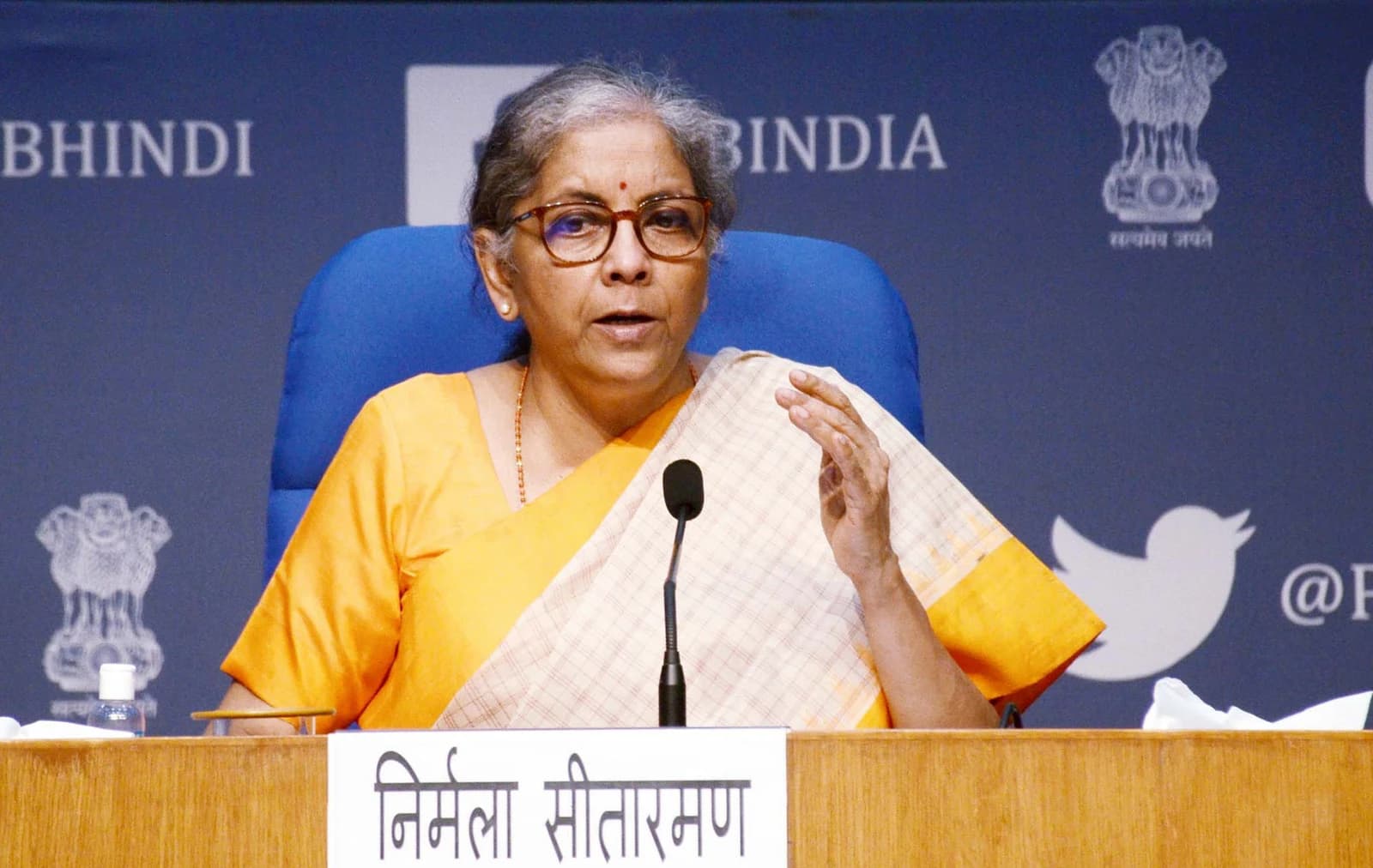
The Ministry of Finance said the duty refund on gold jewellery has been reduced 3.1% to Rs 1,794.11 per gram, from Rs 1,851.99, while silver jewellery and other silver products were cut by about 9% to Rs 26,859.02 per kilogram from Rs 29,501.09. Duty drawback is meant to offset customs and other duties paid on inputs used to make export goods, helping keep Indian exporters competitive in overseas markets.
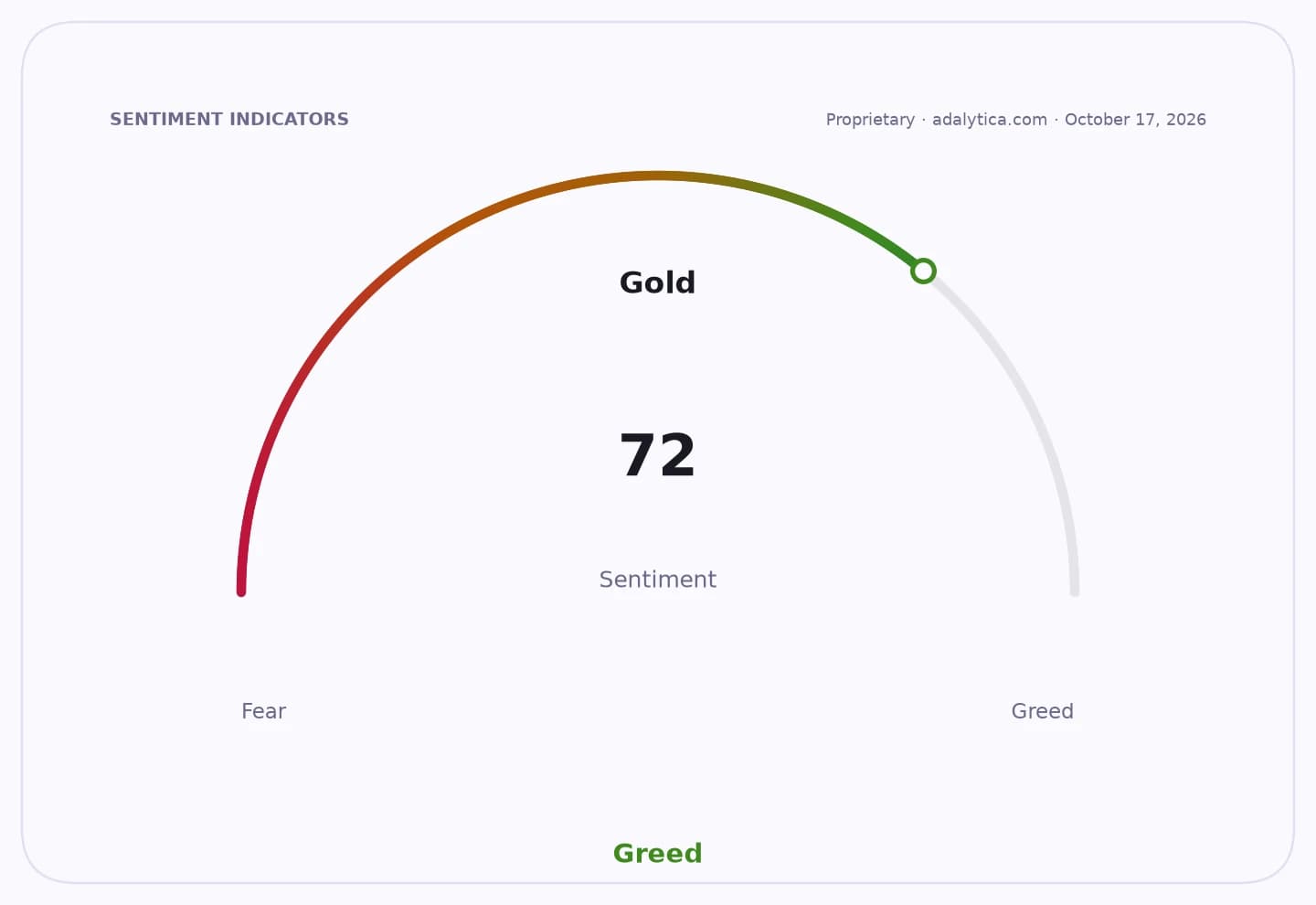
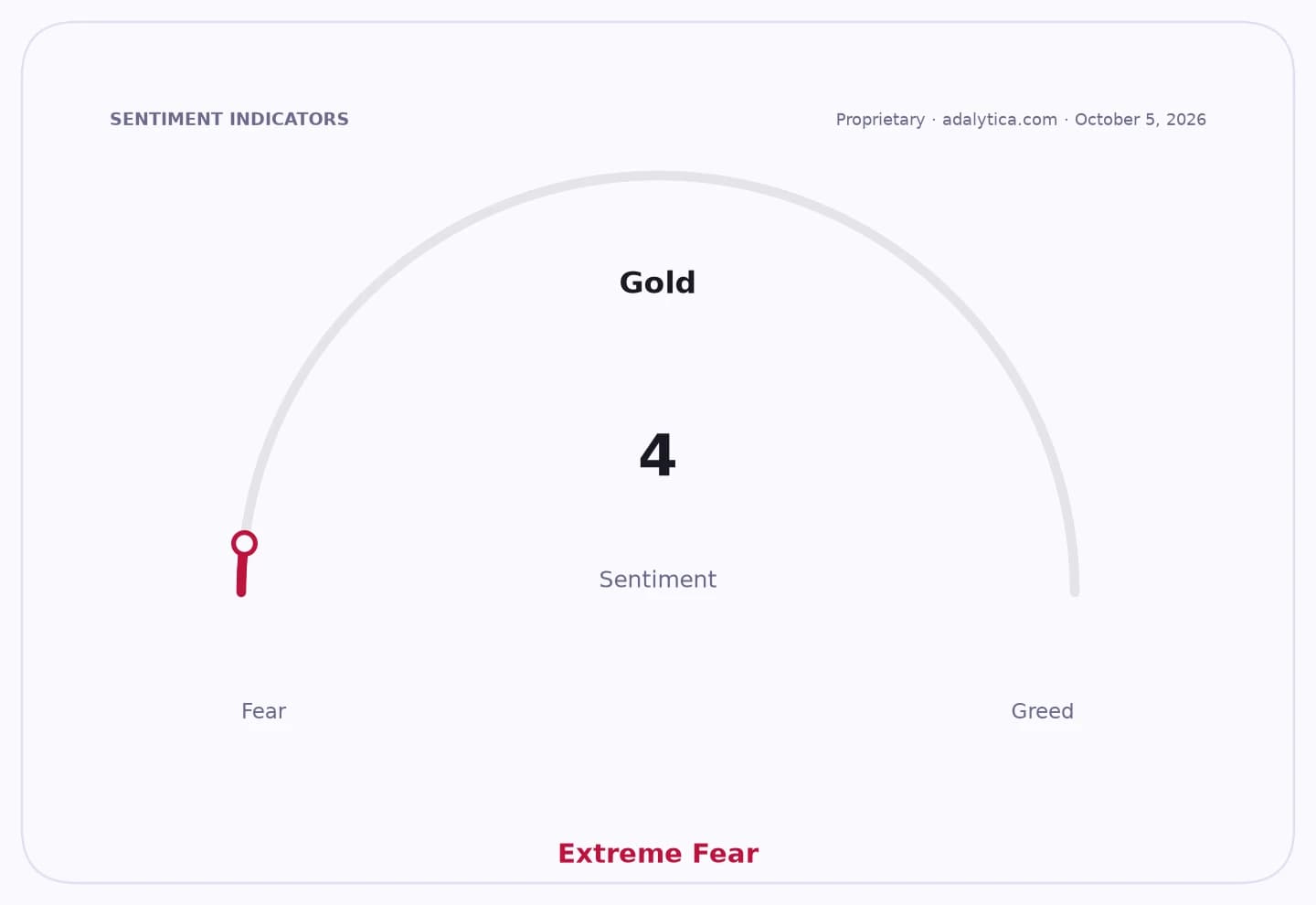
Sentiment IndicatorsⓘProprietary · adalytica.com · October 19, 2026
This is a snapshot — live sentiment, awareness and momentum for 130+ markets update continuously in the dashboard.Open AlphaPulse
That matters because jewellery exporters have been relying on the refund mechanism to cushion costs in a sector where raw material prices, currency moves and international demand can shift quickly. The government had raised drawback rates in July to help the industry amid rising costs and global uncertainty, so Friday’s move effectively unwinds part of that support. If overseas demand holds up, the damage may be limited, but weaker refunds still mean less room for exporters to absorb price pressure or pass on costs without risking orders.
For investors, the immediate issue is earnings sensitivity. Jewellery exporters, particularly those exposed to gold and silver fabrication, could see pressure on gross margins until they adjust sourcing, pricing or product mix. Companies with stronger brands, more efficient operations and better access to foreign buyers should cope better than smaller exporters that depend more heavily on government support.
The broader story is about how policy can quickly alter the economics of an export industry that is strategically important for India’s foreign exchange earnings. India already has a meaningful jewellery manufacturing base and, with refining capacity outpacing domestic consumption, the sector has room to grow into a bigger export earner over time. But that growth still depends on a stable policy backdrop, competitive costs and healthy demand in key markets.
For long-term investors, this is a reminder to focus less on one-off rebate changes and more on which companies can compound through cycles. The best-positioned names will be those that can keep margins intact even when fiscal support shifts. That makes the sector worth watching, but selective — and for patient investors, it is the kind of development that belongs on a watchlist, not a panic button.
| Entity | Gains | Losses |
|---|---|---|
| Indian government | ▲Lower subsidy burden | ▼Less export support |
| Large jewellery exporters | ▲Can absorb margin hit | ▼Smaller refund cushion |
| Silver jewellery makers | ▲None from the cut | ▼Sharpest margin pressure |
| Global buyers | ▲Potentially steadier pricing | ▼Less room for Indian discounts |