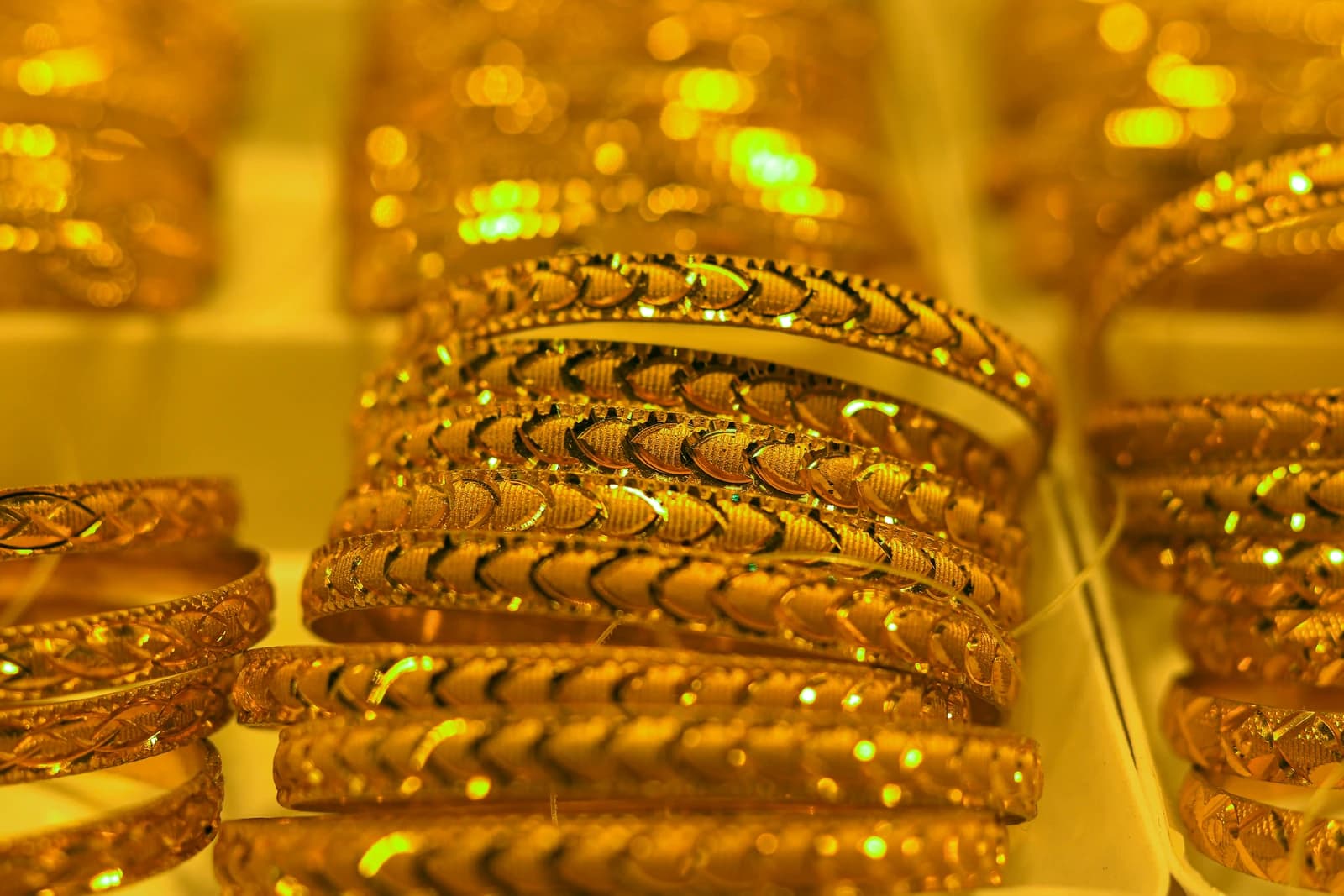
India has trimmed the duty drawback on gold and silver jewellery exports just months after sharply lifting the rates, a move that signals the government is recalibrating support for a sector it wants to keep competitive without over-subsidising shipments.
India cuts gold and silver jewellery export drawback
The finance ministry on Thursday cut the drawback on gold jewellery to Rs 1,794.11 per gram from Rs 1,851.99, a 3.1% reduction, while the rate for silver jewellery and certain silver articles fell about 9% to Rs 26,859.02 per kg from Rs 29,501.09. Duty drawback refunds customs and excise levies paid on imported inputs used to make export goods, so the change directly affects exporters’ net margins and pricing flexibility in overseas markets.
The adjustment comes after the government in July nearly doubled drawback rates for select gold and silver jewellery categories to blunt rising input costs and global uncertainty. That earlier step lifted the gold jewellery rate from Rs 773.17 per gram and the silver rate from Rs 14,990.66 per kg, underscoring how quickly policy has shifted in response to commodity prices and export conditions. The latest cut suggests the authorities see room to pull back some support, likely because the sector’s cost pressure has eased from the most acute levels or because the earlier incentive was judged generous enough.
For exporters, the economics are straightforward: lower drawback means slightly thinner reimbursement on each shipment, which can matter in a business where margins are already tightly linked to metal prices, currency moves and overseas demand. For import-dependent manufacturers, the policy reduces a buffer against price volatility in gold and silver, though the absolute cut is modest compared with the July increase. Bigger players with scale, hedging capacity and stronger brand premiums are better placed to absorb the change than smaller firms competing largely on price.
The timing matters because the government is still trying to build momentum in the gem and jewellery trade. The sector’s exports rose 9.4% to $3 billion in September, according to the data cited in the broader industry context, and policymakers have been encouraging further gains through targeted support. A lighter drawback could temper enthusiasm at the margin, but it also indicates the state is not committing to permanently elevated subsidies as exports recover.
Investors should view the move as a policy fine-tuning rather than a reversal of support. It is positive for fiscal discipline and may limit distortion in export incentives, but it could slightly pressure near-term earnings for jewellery exporters and suppliers that rely on drawback-linked pricing. The key question now is whether external demand, especially for gold and silver jewellery, can stay firm enough to offset the smaller refund.
| Entity | Gains | Losses |
|---|---|---|
| Indian government | ▲Lower subsidy burden | ▼Less export support |
| Large jewellery exporters | ▲Policy stability | ▼Slightly thinner margins |
| Small exporters | ▲None | ▼Higher cost pressure |
| Buyers abroad | ▲Potentially steadier supply | ▼Less room for discounts |