Kerala’s gold retailers have agreed to a uniform pricing system for 18-carat gold, a move that should reduce price disparities between jewelry stores and make it easier for buyers to compare costs.
Kerala jewellers adopt uniform 18-carat gold pricing
The decision, announced by the Kerala Jewellers Association coordination committee and effective immediately, matters because jewelry pricing in India’s retail gold market is often opaque, with differences arising from making charges, workmanship and local store policies. By linking 18-carat rates to the same proportional benchmark used for 22-carat gold, trade groups are trying to create a more transparent reference price for a segment of the market that is increasingly used for lightweight and fashion jewelry.
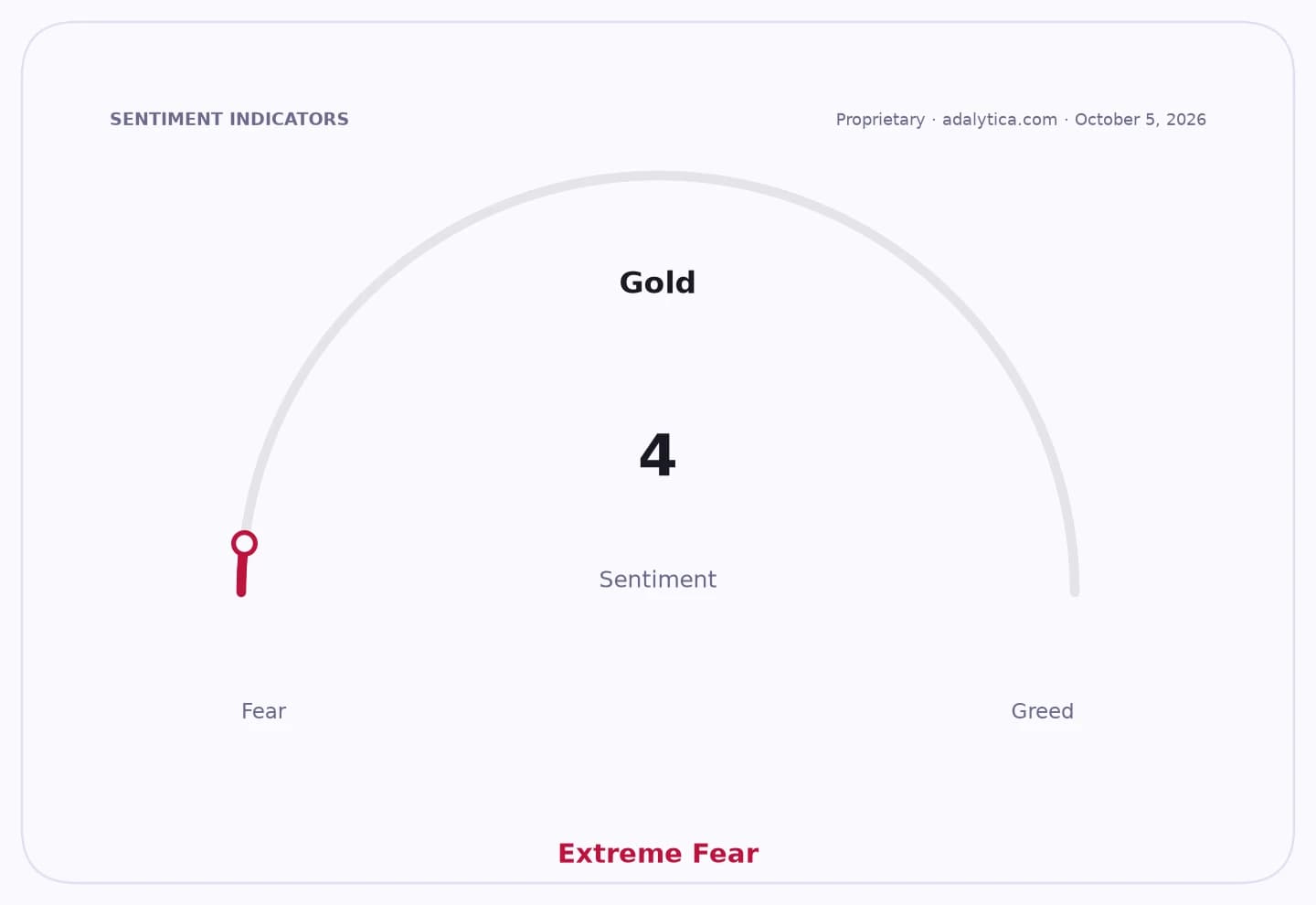
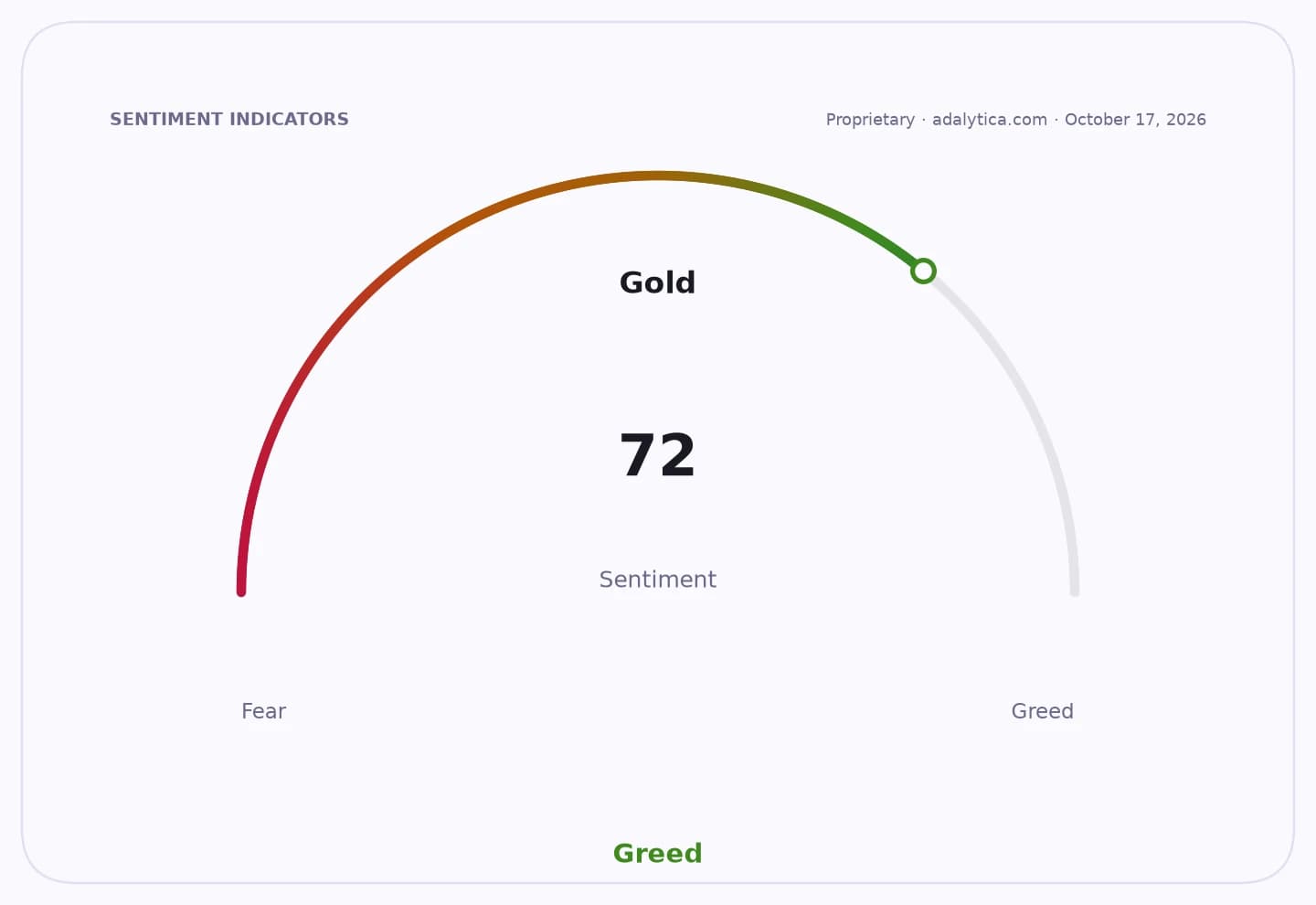
Sentiment IndicatorsⓘProprietary · adalytica.com · October 17, 2026
This is a snapshot — live sentiment, awareness and momentum for 130+ markets update continuously in the dashboard.Open AlphaPulse
The initiative is also a signal that traders are trying to standardize the retail side of a market still highly sensitive to swings in bullion prices. Global gold has remained volatile, with the SPDR Gold Shares ETF trading at $382.01 on Oct. 16 after a sharp pullback from recent highs, while standard technical indicators such as the 50-day moving average and RSI readings suggest the metal has moved from overbought conditions toward a more neutral footing. That matters for jewelry sellers because retail demand tends to weaken when prices jump too quickly, but can recover when pricing becomes clearer and more predictable.
For consumers, uniform pricing should improve comparability and curb the perception that stores are charging inconsistent rates for the same purity category. For jewellers, the change may compress some pricing flexibility, but it could also build trust at a time when buyers are already wary after periods of sharp moves in gold prices. The broader backdrop remains supportive: India’s consumer price index has eased only modestly from recent levels, and lower volatility in the dollar and bullion market could keep demand steady into the festive and wedding seasons.
The key test is whether the agreement is widely adopted and enforced across the state’s fragmented retail network. If it is, Kerala could become a template for tighter price discipline in the 18-carat segment; if not, the market may continue to see local premiums and discounts despite the new benchmark.
| Entity | Gains | Losses |
|---|---|---|
| Buyers | ▲Clearer comparison | ▼Less room to bargain |
| Organized jewellers | ▲Greater trust | ▼Pricing flexibility |
| Smaller retailers | ▲Standard benchmark | ▼Margin differentiation |
| Consumers overall | ▲More transparency | ▼Potentially fewer store-level discounts |