A community meeting of Gujjar leaders in Gurugram has gone beyond symbolism and drawn a hard line on wedding spending, setting caps on rituals, gifts, guest lists and even cash exchanges as families try to redirect money toward children's education.
Gujjar leaders cap wedding spending in Gurugram
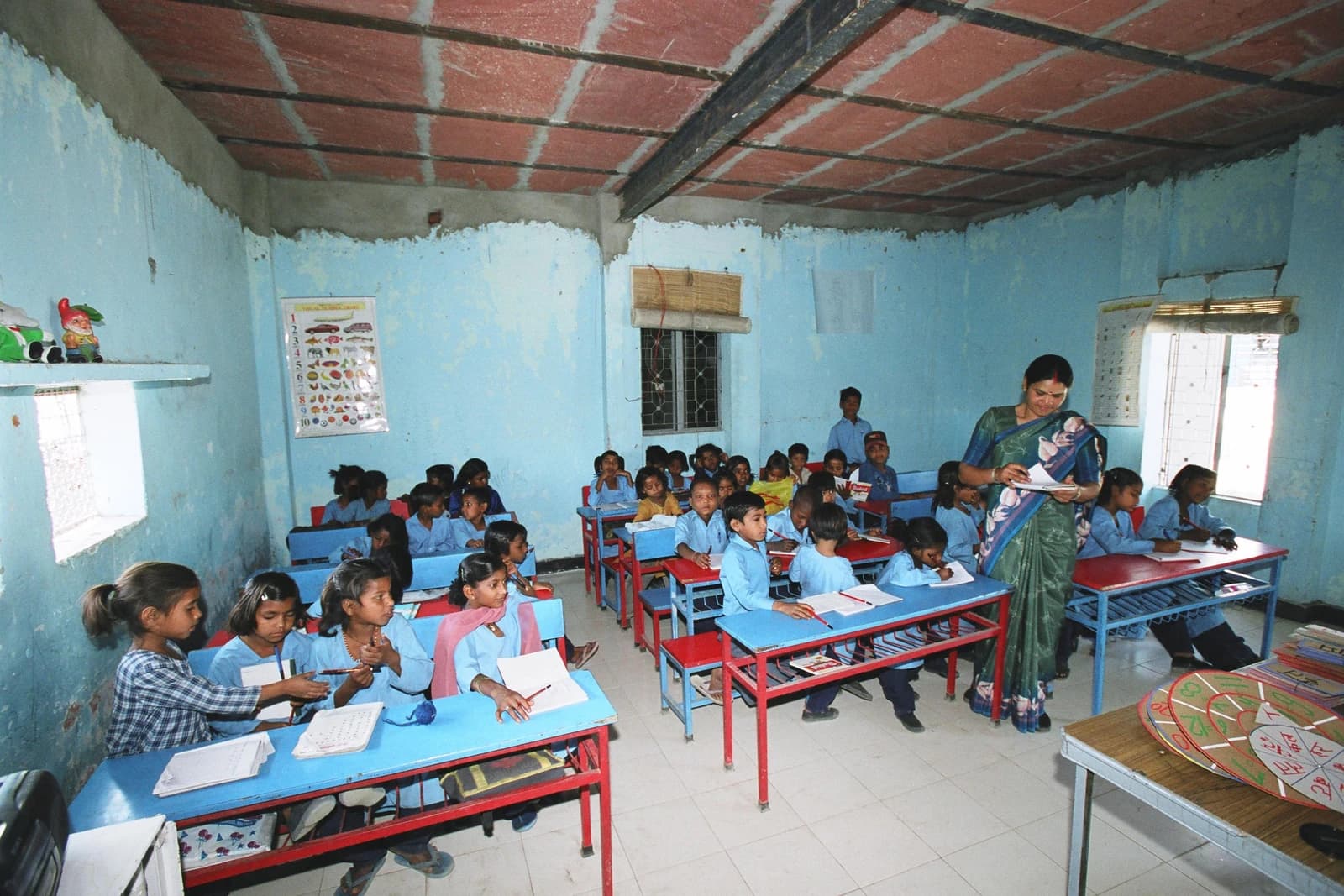
That matters because weddings are one of the biggest discretionary outlays for many Indian households, especially in North India, where social pressure can turn a personal celebration into a years-long financial burden. For investors watching India’s consumption story, the message is not that spending disappears, but that households increasingly want value, restraint and durability over one-off display. When money is saved from elaborate ceremonies, it can be redirected to schooling, training, housing and other long-term needs that build wealth rather than consume it.
Sentiment IndicatorsⓘProprietary · adalytica.com · October 22, 2026
This is a snapshot — live sentiment, awareness and momentum for 130+ markets update continuously in the dashboard.Open AlphaPulse
At the heart of the mahapanchayat’s decision was a clear economic argument: stop “wasteful expenditure” and invest in children instead. Haryana minister Rajesh Nagar told the gathering that families should keep marriages simple and use the savings for higher education. He backed the message with a personal pledge to keep his own daughter’s wedding modest and to arrange his nephew’s wedding “in one rupee,” a line that drew applause and signaled the social pressure campaign is being led from the top.
The meeting approved a long list of restrictions designed to make expensive ceremonies harder to stage. It limited the number of people involved in key rituals such as bhaat, engagement and lagan, capped wedding invitations at a low cost, recognized WhatsApp and digital cards, restricted baraat size, banned liquor and fireworks, and moved to end transport DJ use. It also set monetary limits for several customs, from engagement gifts to kanandaan and bhaat, and formed a 31-member committee to enforce the decisions and hear complaints.
For investors, the significance lies less in the exact ritual rules than in what they reveal about consumer behavior. A growing share of households is trying to rein in non-essential spending, especially when inflation, job uncertainty or plain old social reform make extravagance less acceptable. That does not mean India’s consumer market is weak. It means spending may shift toward education, appliances, mobility, digital services and lower-friction products rather than ceremonial excess.
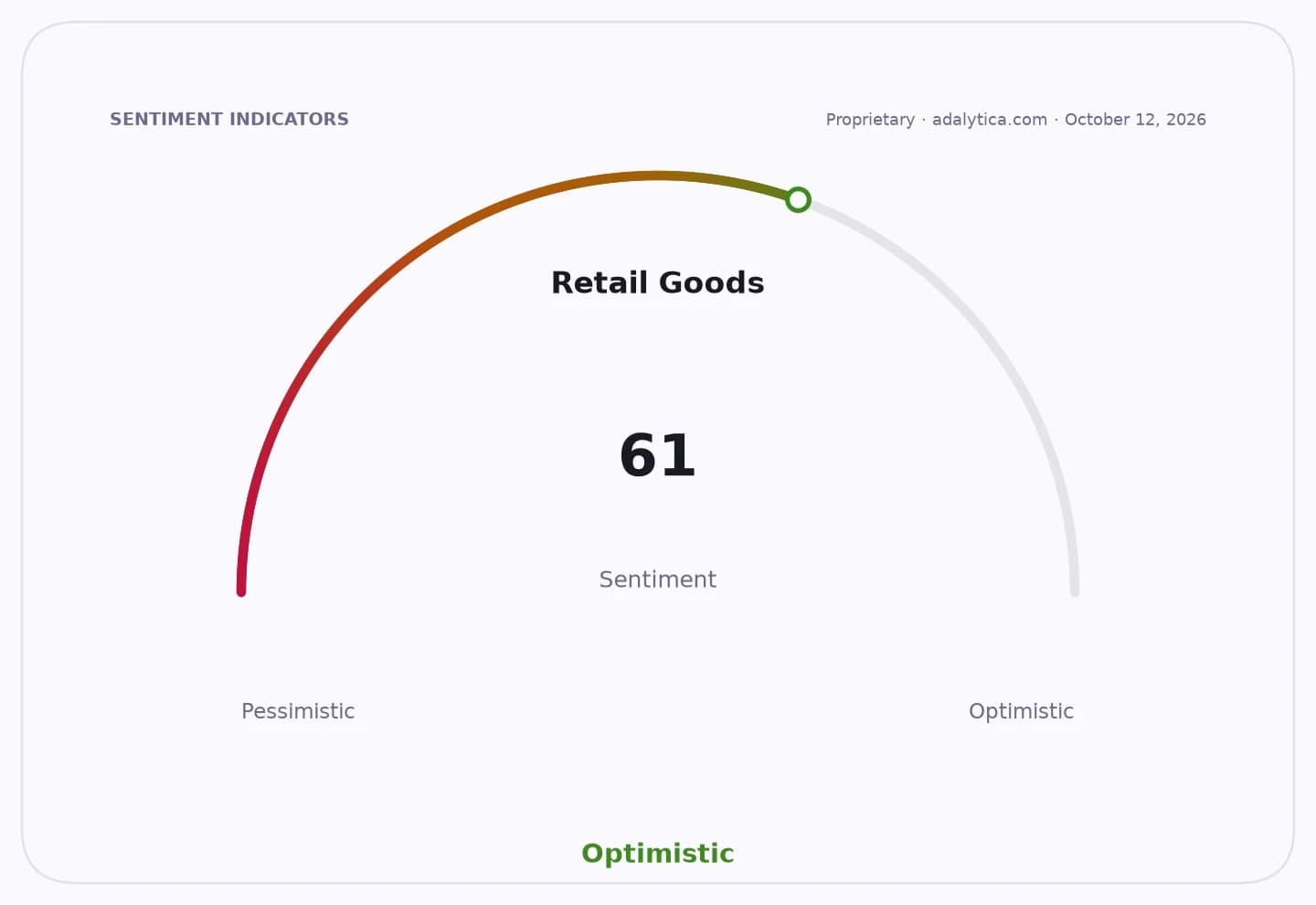
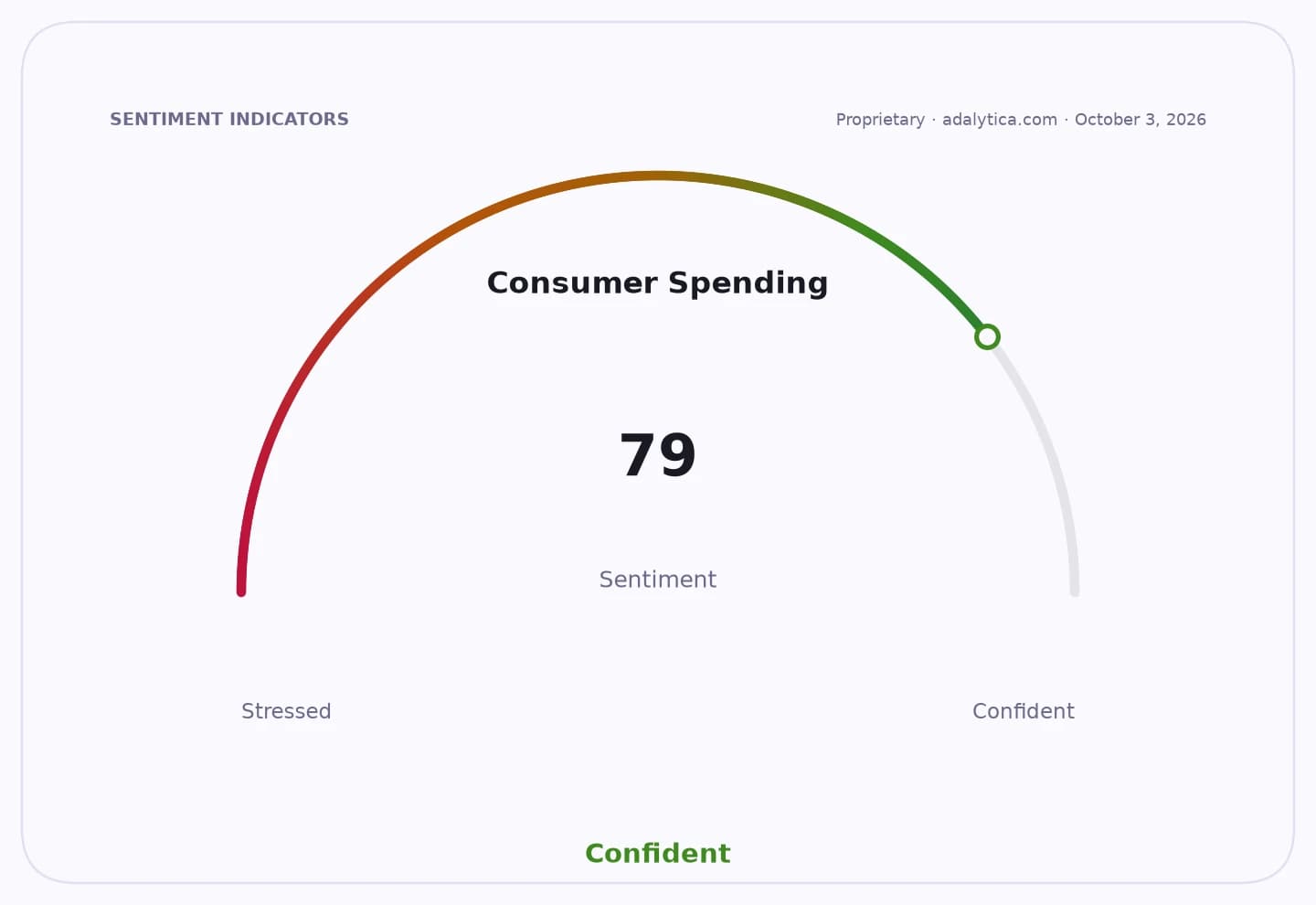
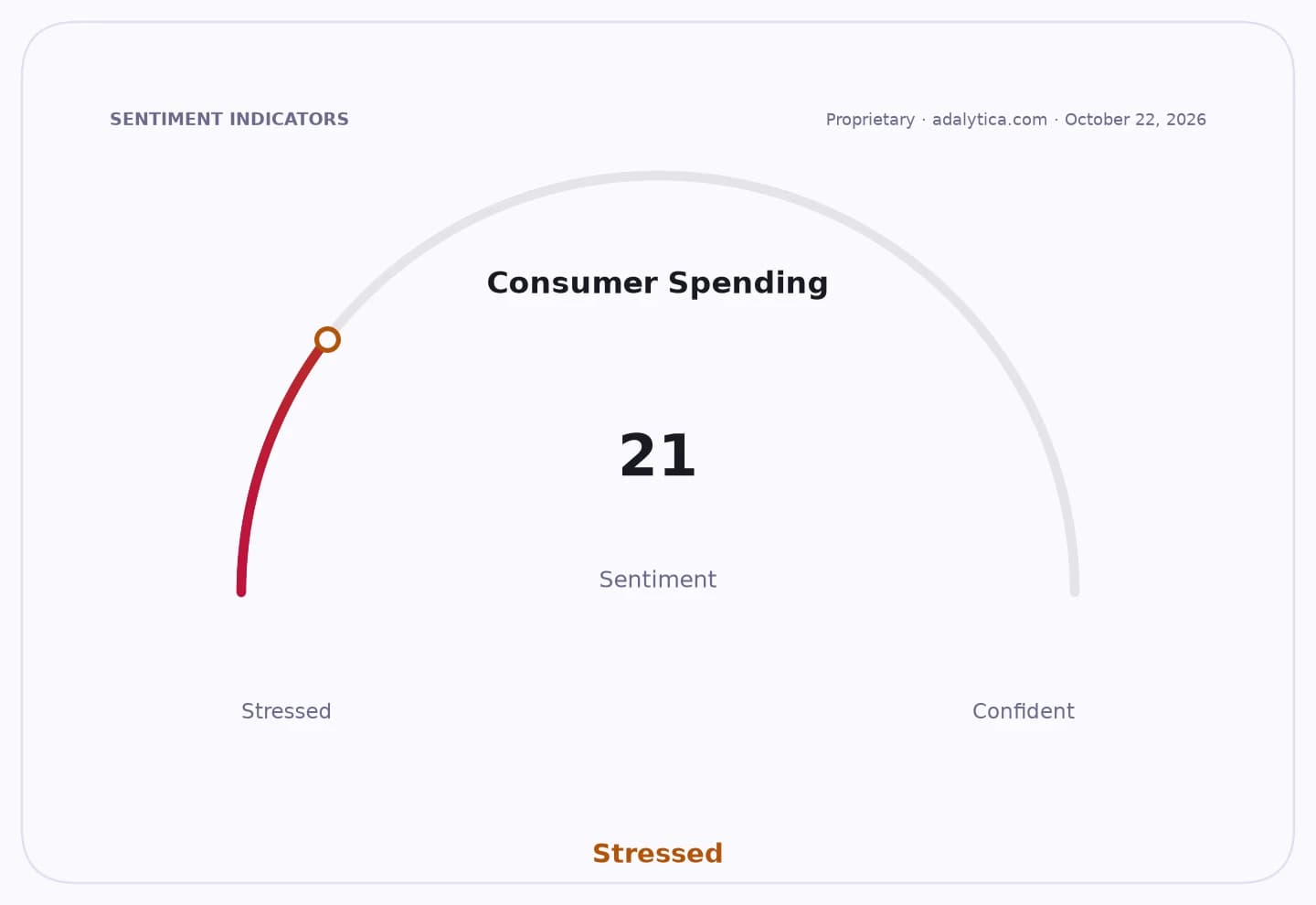
The data context points to that split. Adalytica’s consumer spending sentiment for “SPEND” is deep in fear territory, while retail goods spending sentiment remains relatively firmer but has softened over the past week. In plain English, consumers are still spending, but confidence is uneven and households are more selective. That is consistent with a broader trend in India and across emerging markets: consumers want discretion, not just demand.
There is also a more structural story here. A social push to curb lavish weddings can gradually reshape demand for caterers, decorators, DJs, event venues, jewelry sellers and bridal services, while supporting categories tied to education and digital convenience. The mahapanchayat even told transport DJ operators to pivot to floor DJ work, a small but telling sign that social reform can create winners and losers inside a local economy rather than simply eliminating spending.
Investors should not read too much into one regional gathering, but they should pay attention to the direction of travel. If more communities embrace simpler weddings and fewer status-driven purchases, the long-term winners are likely to be businesses aligned with affordability, digital adoption and education. The losers are the parts of the ceremonial economy that rely on conspicuous spending and social obligation.
| Entity | Gains | Losses |
|---|---|---|
| Families and children | ▲More savings for education | ▼Less ceremonial display |
| Education spending | ▲Higher household priority | ▼Competing wedding expenses |
| Digital invitation services | ▲More acceptance of e-cards | ▼Printed card demand |
| Wedding DJs and event vendors | ▲Floor DJ pivot opportunities | ▼Transport DJ, fireworks, lavish-event income |