Congress leaders in Rajasthan have sharpened their attack on the BJP over rising prices, delivery failures and law-and-order concerns, using the run-up to local polls to turn inflation into a broader referendum on governance. The political pitch matters because persistently higher food and fuel costs are feeding household strain, complicating policy choices for New Delhi and giving the opposition a ready-made economic grievance ahead of the state’s panchayat elections.
Rajasthan Congress Attacks BJP Over Inflation
Govind Singh Dotasra, the Rajasthan Congress chief, and Leader of Opposition Tikaram Jully told a gathering in Bhawanimandi that the BJP governments at the Centre and in the state were suppressing democratic voices and losing public support. Jully focused on the cost of living, citing expensive fuel, cooking gas, pulses, edible oil and sugar, while accusing the government of weakening job guarantees and delaying payments tied to pensions, scholarships, fertiliser subsidies and anganwadi work.
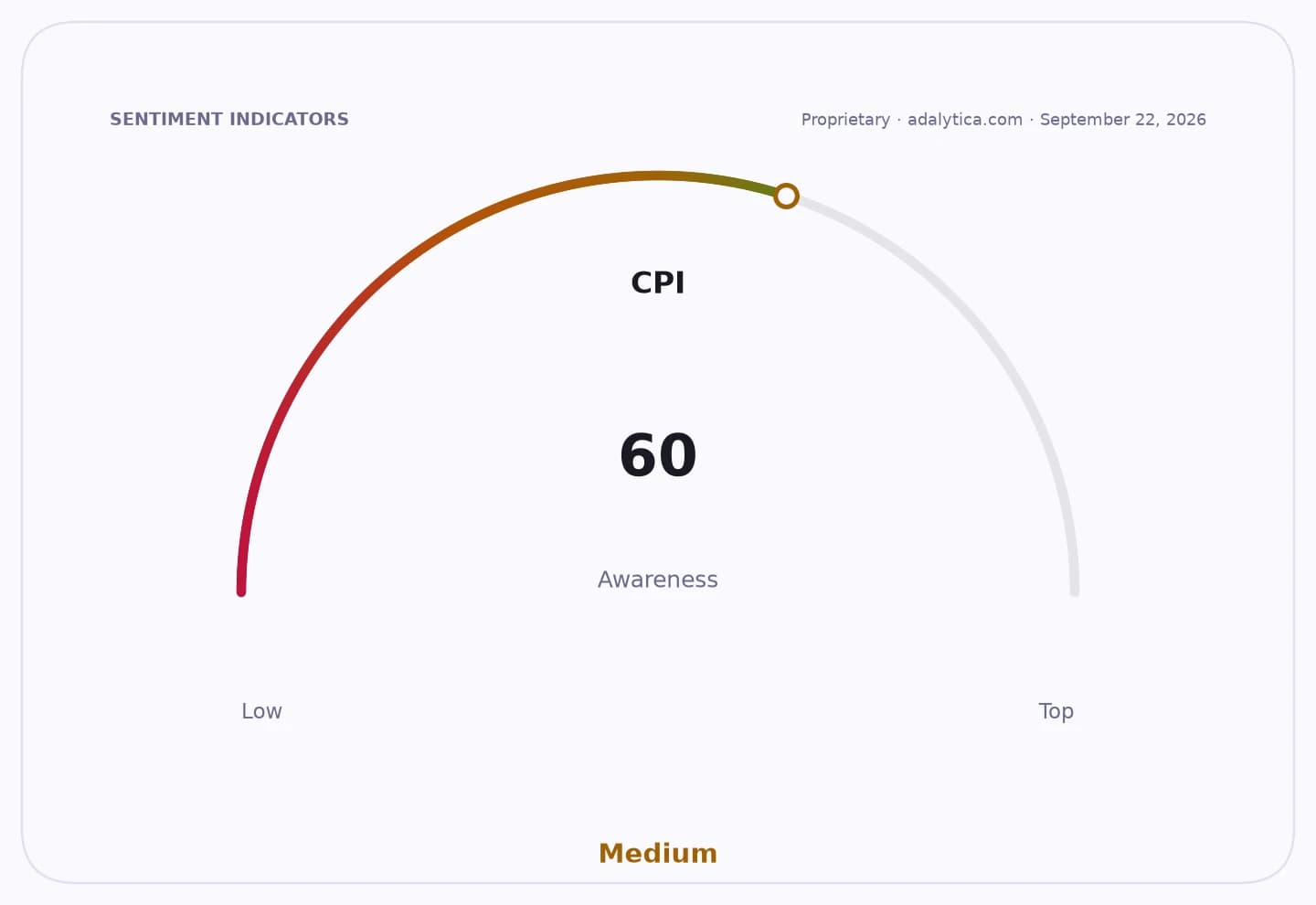
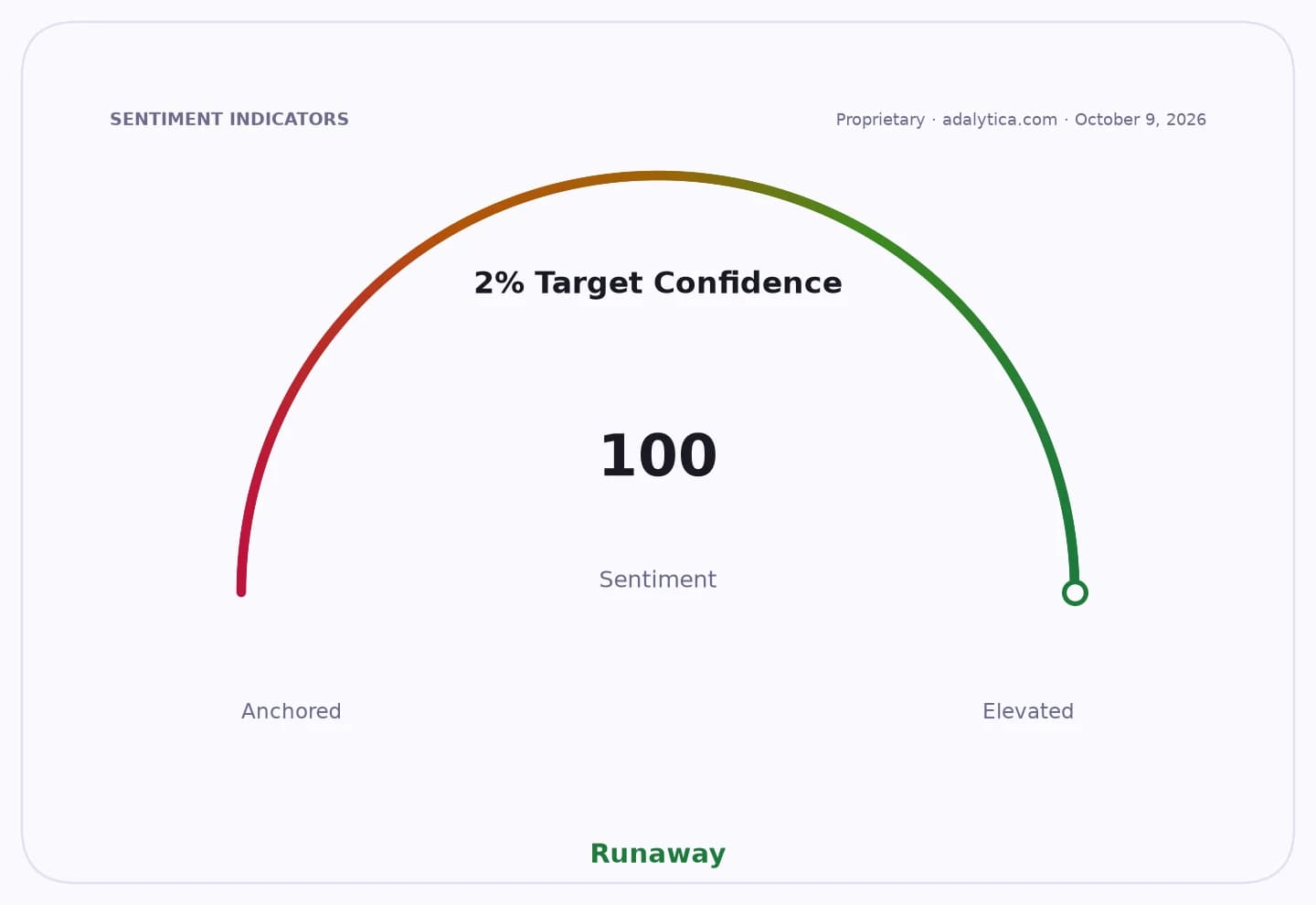
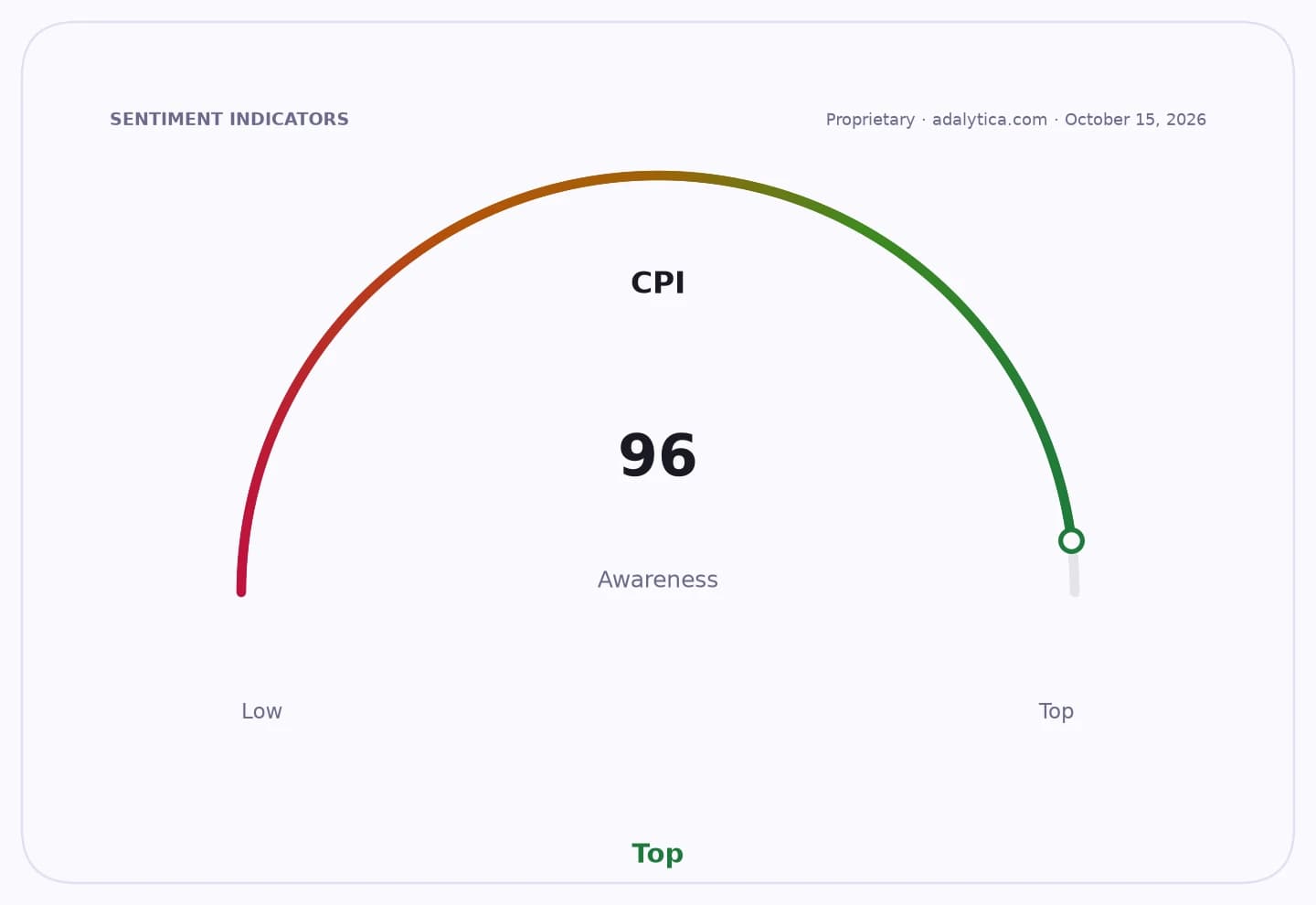
Sentiment IndicatorsⓘProprietary · adalytica.com · October 15, 2026
This is a snapshot — live sentiment, awareness and momentum for 130+ markets update continuously in the dashboard.Open AlphaPulse
The attack lands at a sensitive moment for policymakers. India’s inflation backdrop has deteriorated, with wholesale prices surging 11.39% in September and retail inflation climbing to a two-year high of 5.54%, driven by food and energy. Those figures are not just statistical noise: they squeeze disposable income, hit rural consumption and make it harder for the Reserve Bank of India to argue that price pressures are transitory.
That macro strain is now feeding directly into politics. In a rural state such as Rajasthan, where agricultural incomes remain vulnerable to procurement delays, subsidy lags and weather shocks, inflation can quickly become an organising issue. Jully’s criticism that minimum support price procurement is inadequate and insurance relief for damaged crops is delayed speaks to the same pressure point — the gap between headline growth and lived economic conditions in the countryside.
For the BJP, the challenge is that inflation is difficult to defend against politically even when growth is intact. Households tend to judge governments by grocery bills, fuel costs and the speed of welfare delivery, not by broader macro aggregates. If Congress can keep the focus on prices and administrative friction, it can turn local contests into a national narrative about government competence ahead of the 2028 Rajasthan election and the 2029 general vote.
Investors should care because sustained inflation in India can keep monetary conditions tighter for longer and cap the upside in consumption-sensitive sectors. More broadly, political pressure around food and fuel inflation raises the odds of more interventionist policy — from procurement and subsidy support to welfare transfers — which can support rural demand but strain fiscal arithmetic.
The immediate test is whether the BJP can blunt the inflation attack with relief measures and faster delivery of rural programs before the panchayat elections. If not, Rajasthan could become another example of how price shocks, once they seep into household budgets, quickly become electoral risk.
| Entity | Gains | Losses |
|---|---|---|
| Congress | ▲Stronger rural appeal | ▼Must turn criticism into votes |
| BJP | ▲Can still cite overall growth | ▼Faces inflation backlash |
| Rural households | ▲Promised relief focus | ▼Higher living costs |
| RBI and policymakers | ▲Pressure to act on prices | ▼Less room for easing |