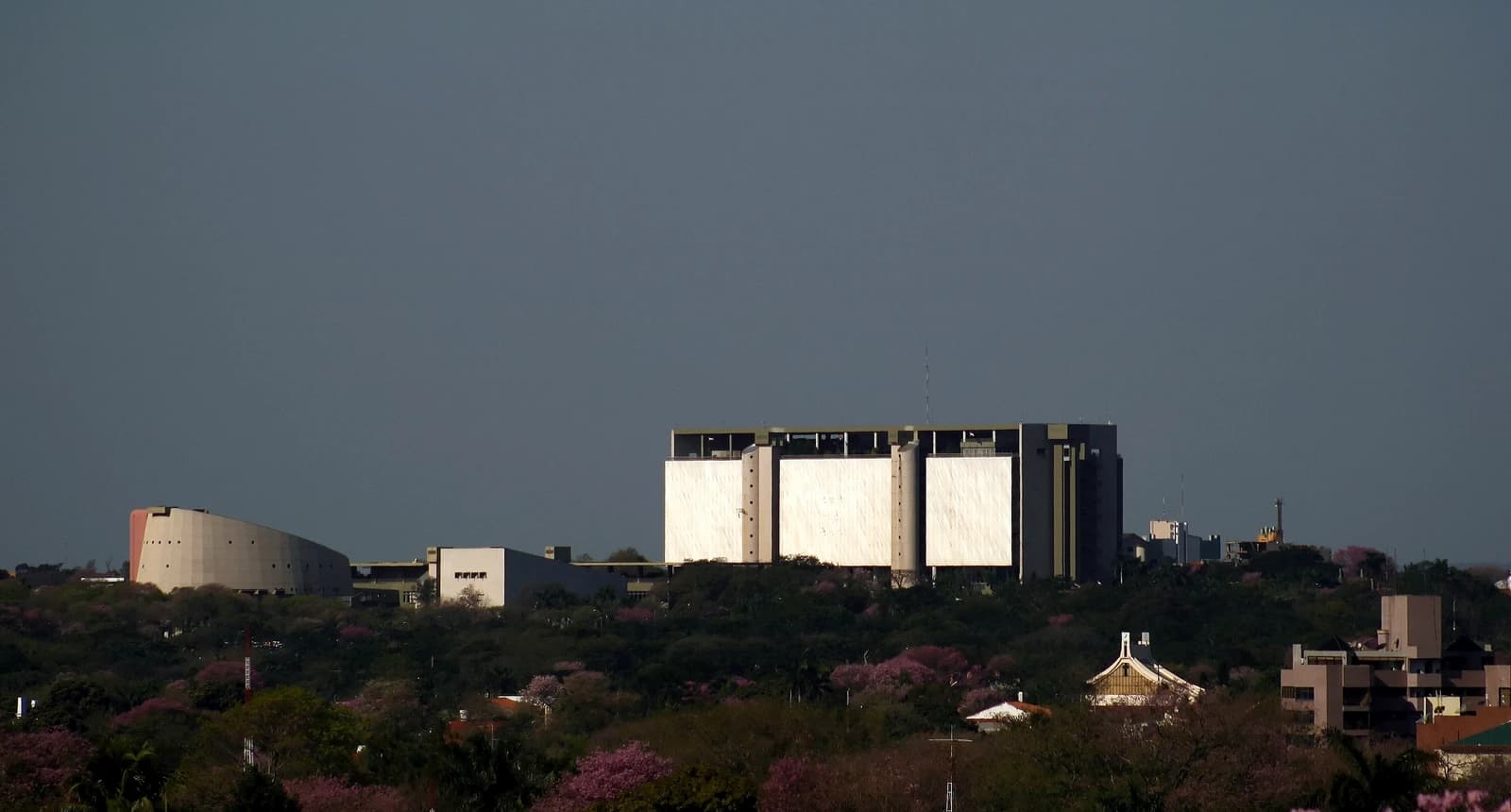
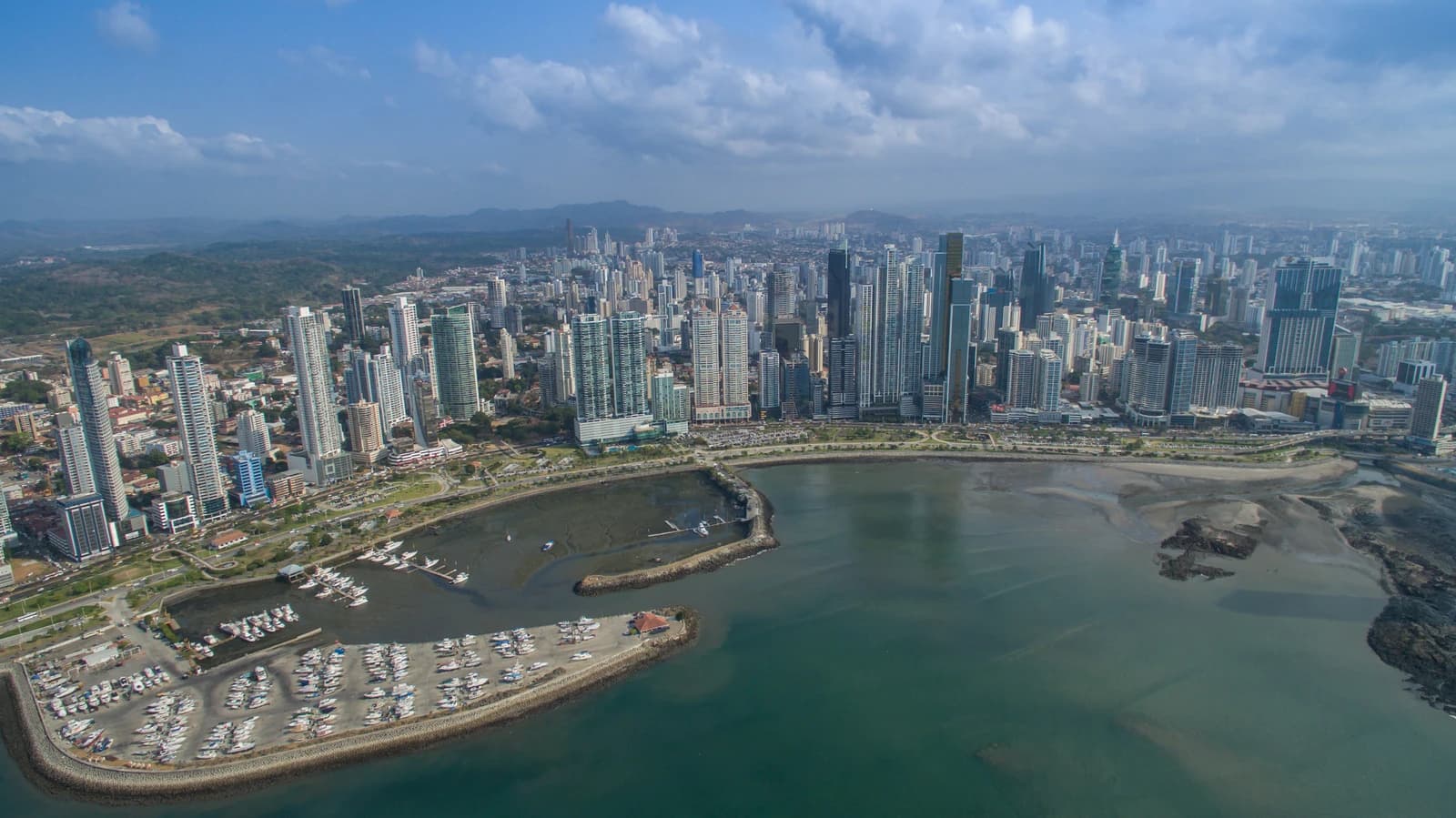
Paraguay’s fast-growing Ueno Bank is now at the center of a fraud probe after prosecutors said it simulated the sale of a $74.4 million loan portfolio using its own money, a revelation that could damage confidence in one of the country’s most aggressive new lenders and force a tougher reckoning from regulators.
Ueno Bank Probe Over Alleged Loan Sale Fraud
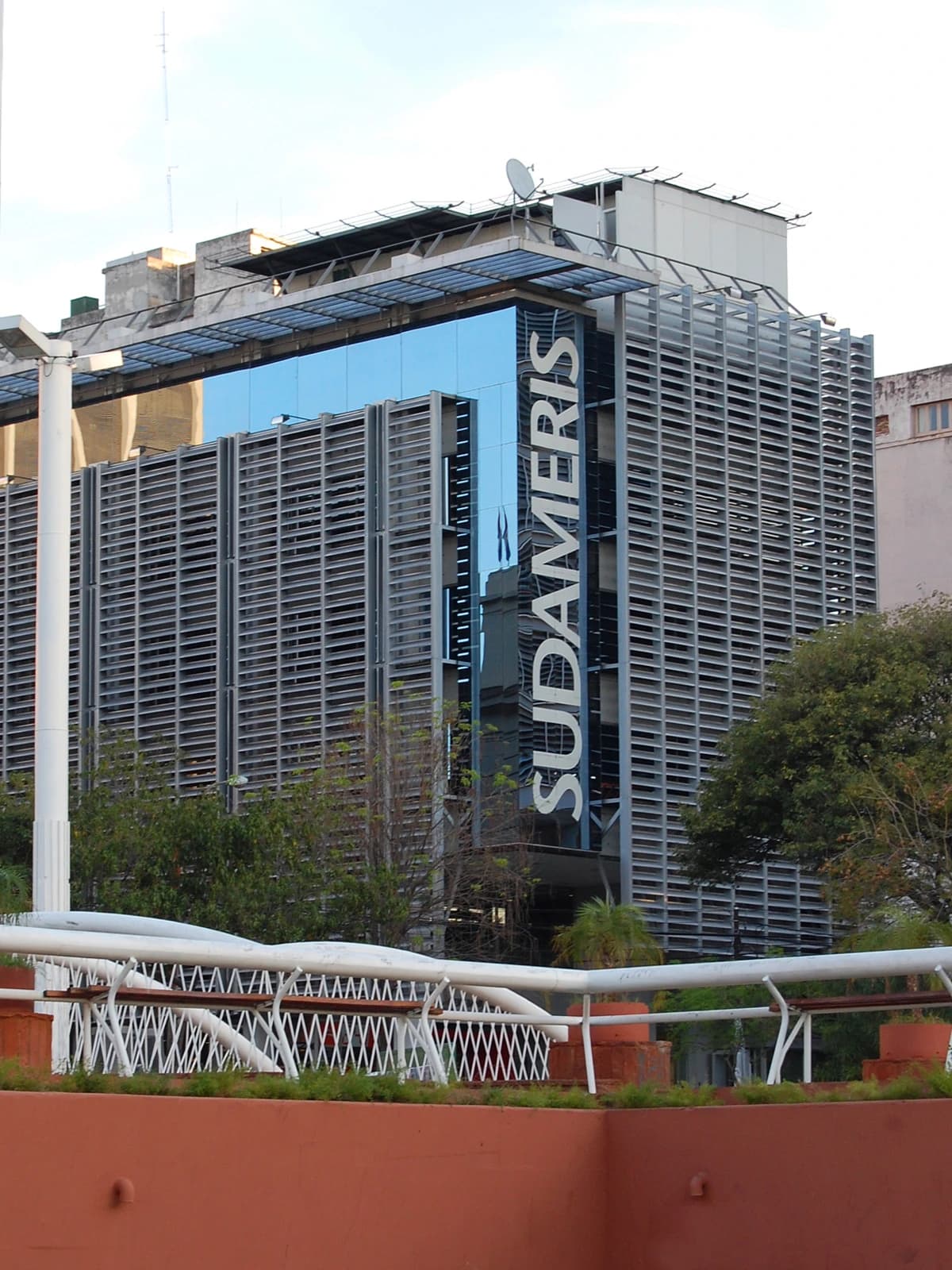
The allegation matters because it goes to the core of a bank’s credibility: whether its balance sheet reflects real risk or a financial shell game. Prosecutors say the institution arranged a transfer of credits to Vinanzas SA, only for investigators to conclude that Vinanzas was also controlled by Ueno Bank and had received a fresh $76.06 million capital injection just hours before buying the portfolio. In other words, the bank may have used its own funds to create the appearance of an arm’s-length sale, obscuring the true quality of its assets.
Sentiment Indicators
That is far more than a legal headache. For investors, lenders and depositors, the issue is whether Ueno’s rapid expansion was built on sustainable credit underwriting or on related-party transactions that inflated growth and hid stress. The bank had become a symbol of Paraguay’s fintech-to-bank boom, growing from a startup in 2021 into a lender with roughly 3 million clients, a heavy marketing footprint and a large presence in consumer and corporate banking. Now that growth story is under scrutiny.
The immediate consequences are already severe. The Central Bank of Paraguay ordered branches closed and said it will protect deposits up to the equivalent of about $38,000 per customer, while also accelerating payouts from the deposit insurance fund. Eight people linked to the bank have been detained, including senior executives and Grupo Vázquez chairman Miguel Ángel Almada Frutos, as prosecutors investigate fraud, abuse of trust and accounting violations. The fallout has also spilled into politics, with protests in Asunción calling for the impeachment of President Santiago Peña, who had previously been an investor in the Ueno holding company.
The wider economic risk is confidence. Banks depend on trust, and smaller emerging-market financial systems can ill afford a crisis that raises questions about related-party lending, regulatory oversight and the true strength of the deposit base. Paraguay’s central bank is now trying to contain the damage quickly, but the episode will likely invite closer scrutiny of how fast-growing lenders are supervised and how effectively conflicts of interest are policed.
For long-term investors, this is a reminder that scale is not the same thing as quality. Banks can grow quickly and still destroy value if funding, lending and governance are weak. Ueno’s case should be watched as a stress test for Paraguay’s financial system and for any investor tempted by rapid growth stories without clean governance and transparent underwriting.
| Entity | Gains | Losses |
|---|---|---|
| Depositors with insured balances | ▲Faster payout protection | ▼Short-term uncertainty |
| Paraguay’s regulators | ▲Stronger enforcement credibility | ▼Reputation if oversight failed |
| Ueno Bank and Grupo Vázquez | ▲None in the probe | ▼Legal risk, damaged trust, possible losses |
| Long-term bank investors | ▲Clearer governance lesson | ▼Exposure to valuation and credit risk |