UK households are heading into winter with energy bills set to rise again, and ministers are considering extra protection for lower-income families as pressure builds ahead of the October 28 Budget.
UK energy bills rise ahead of October Budget
The issue matters because higher power costs feed directly into consumer inflation, squeeze disposable income and can complicate the Bank of England’s path on interest rates. Typical annual household bills are due to climb about 4% from October 1 to £1,723, while forecaster Cornwall Insight has reportedly warned they could reach £1,872 in January if wholesale prices stay elevated.
Sentiment IndicatorsⓘProprietary · adalytica.com · October 1, 2026
This is a snapshot — live sentiment, awareness and momentum for 130+ markets update continuously in the dashboard.Open AlphaPulse
That would wipe out much of the relief from the government’s plan to remove VAT from domestic electricity bills, a move expected to save households around £45 a year. Energy costs have stayed under pressure as wholesale prices rise on continuing tensions in the Middle East, and officials are now looking at whether support could be extended or targeted more broadly if the squeeze worsens.
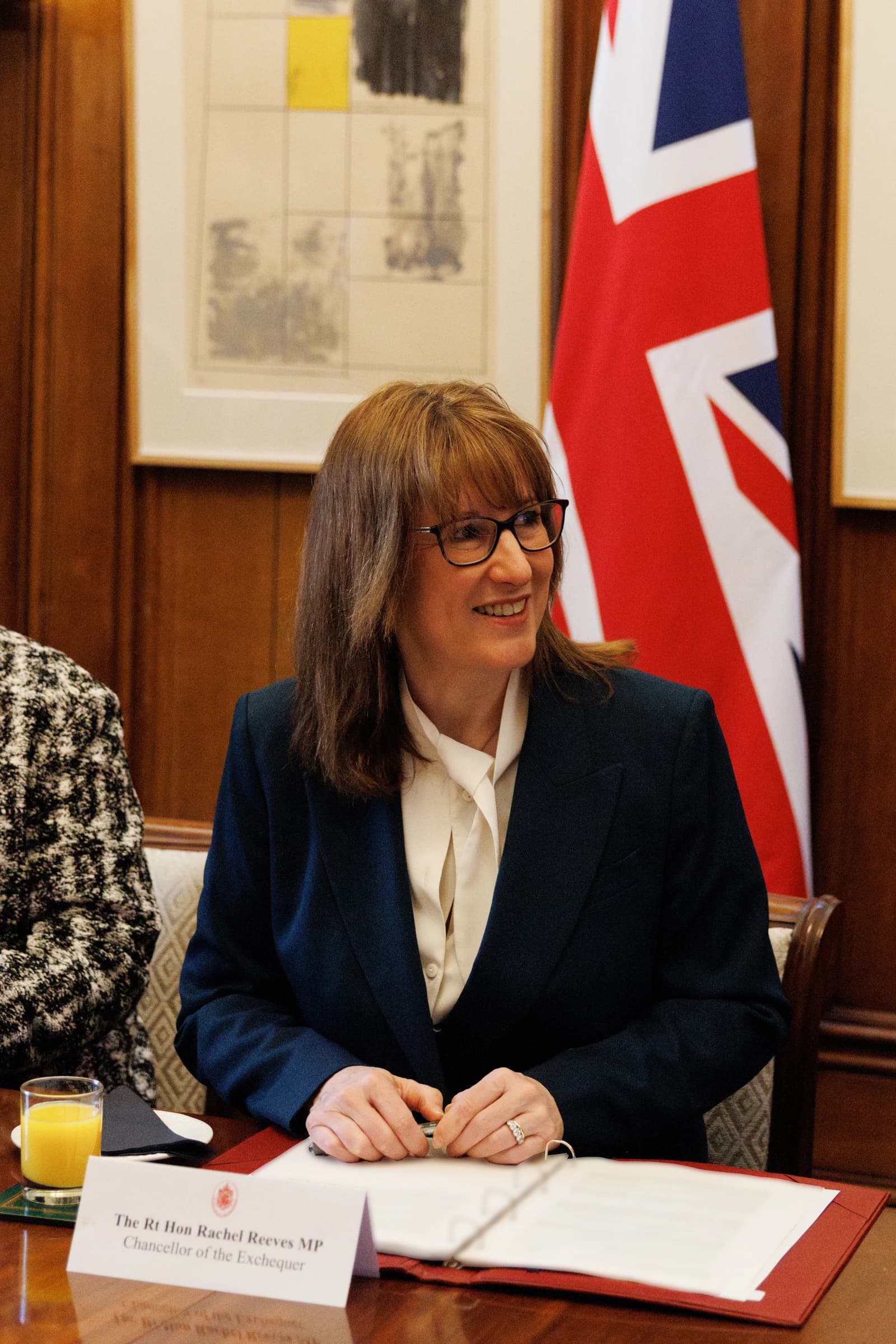
The political stakes are rising because the Treasury has already committed to help for some households through the Warm Home Discount, which gives £150 off bills to nearly six million people on means-tested benefits. Any new intervention would add to fiscal pressure on Chancellor John Healey, who is preparing a Budget in which every bit of room is constrained by weak growth, sticky prices and competing demands for spending.
Markets are also watching because the energy shock is not just a household story. Bank of England deputy governor Clare Lombardelli has warned that persistent higher energy prices can feed into inflation expectations, wage bargaining and price-setting, raising the risk that rates stay higher for longer.
That has implications for UK consumer stocks, utilities and rate-sensitive assets as investors assess how much of the winter bill shock gets passed through to inflation and how much gets offset by government support. For households, the key catalyst is the October Budget; for investors, the next read-through is whether higher energy bills keep inflation sticky enough to delay policy easing.
| Entity | Gains | Losses |
|---|---|---|
| Lower-income households | ▲Targeted relief | ▼Less disposable income |
| UK government | ▲Political breathing room | ▼Higher fiscal costs |
| Bank of England | ▲Less inflation pressure if support offsets bills | ▼More pressure if prices persist |
| Energy suppliers | ▲Higher revenue from bills | ▼Greater scrutiny over pricing |