Britain’s push to turn its relationship with Nigeria into a broader strategic partnership is gaining economic weight, with bilateral trade rising to £7.3 billion as both governments look past diplomacy and toward investment, security and innovation.
UK Nigeria trade rises to £7.3 billion
That matters because Nigeria is not just another trading partner for the UK. It is Africa’s most populous country, a major energy producer and one of the continent’s biggest consumer markets. For Britain, deeper ties with Nigeria can support exporters, open doors for financial services and education providers, and help anchor a post-Brexit trade strategy built on faster-growing markets outside Europe.
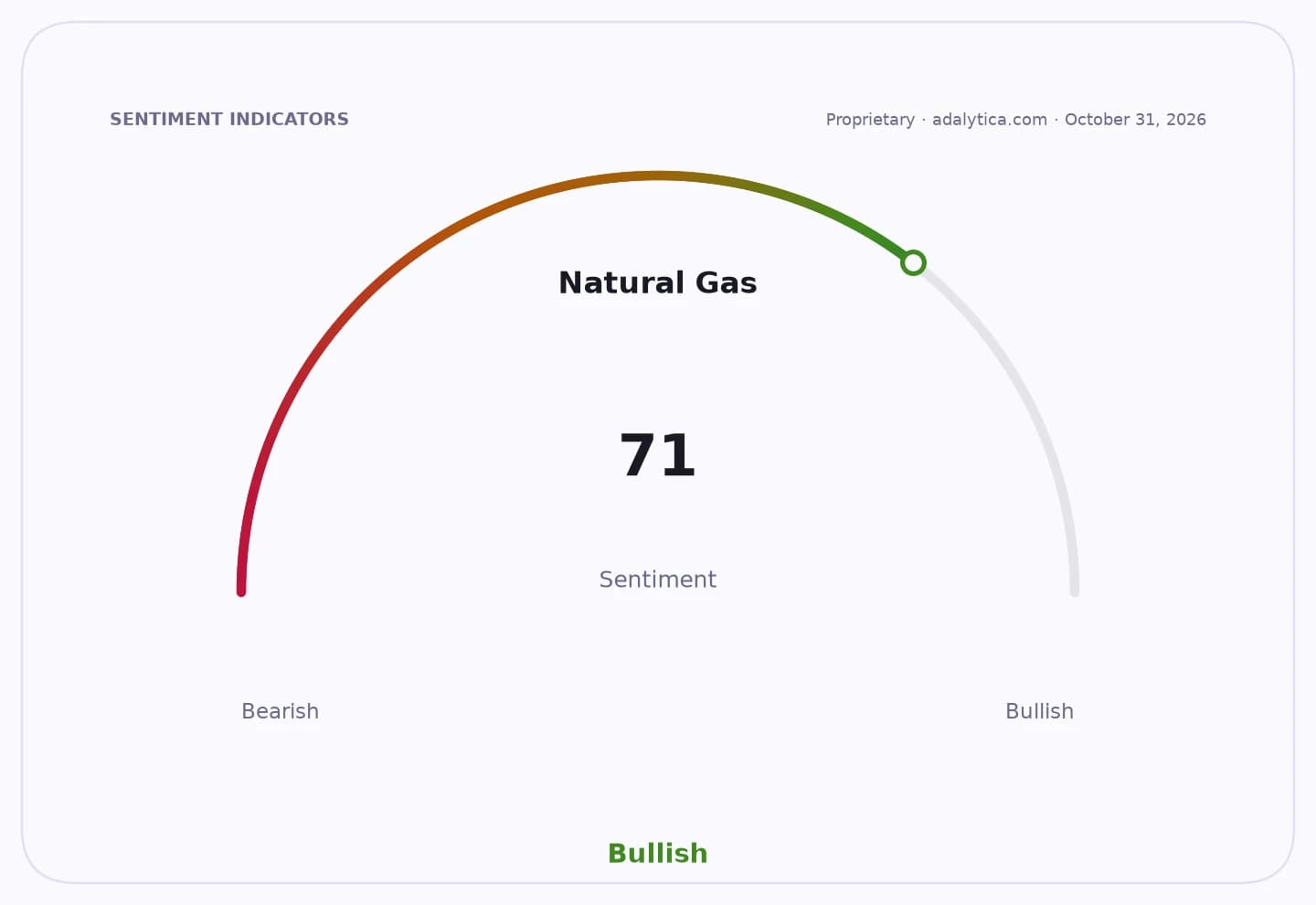
Sentiment Indicators
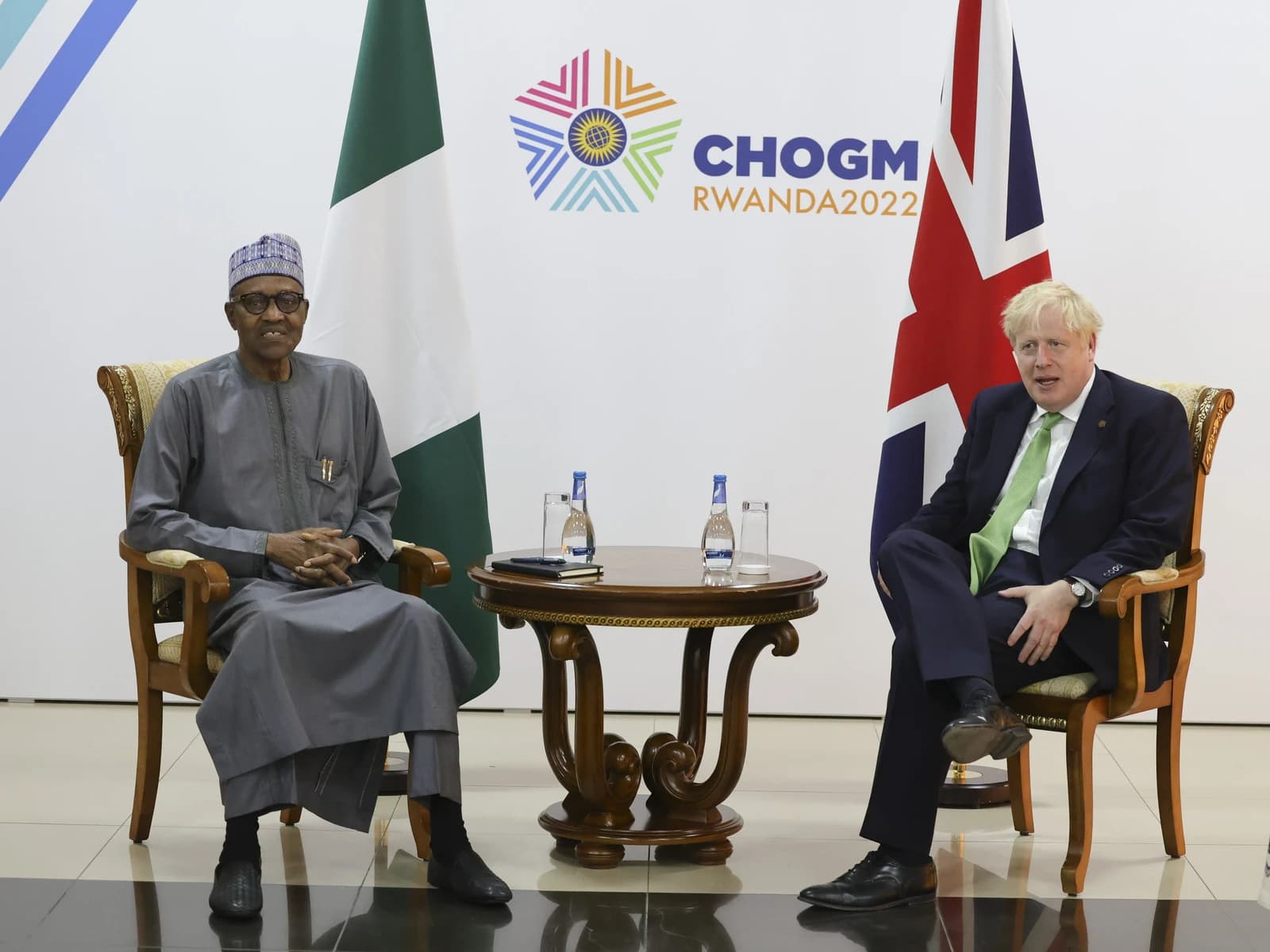
British High Commissioner Pete Vowles said the relationship was evolving beyond traditional state-to-state contacts into a “modern and forward-looking” partnership centered on trade, education, security and culture. The UK-Nigeria Strategic Partnership gives that ambition a formal framework, covering commerce, defence, migration and development, while last month’s UK state visit to Nigeria underscored how high the relationship now sits on both countries’ agendas.
For investors, the opportunity lies in the flow-on effects. More cooperation can mean more contracts for UK firms in infrastructure, legal services, fintech, education and security, while Nigerian companies could gain easier access to capital, expertise and UK customers. In a world where growth is increasingly coming from emerging markets, those linkages can matter just as much as headline trade figures.
The £7.3 billion figure also points to a relationship with room to run. Trade is meaningful, but still small relative to Nigeria’s scale and Britain’s corporate reach. That leaves room for compounding over time if policy cooperation lowers frictions around visas, regulation, payments and cross-border investment.
The broader story is less about a single announcement than a long-term repositioning. Britain wants closer strategic alignment with Nigeria; Nigeria wants more investment, more market access and stronger links to global capital. If both sides keep turning that rhetoric into practical agreements, the winners should be companies and investors who are willing to think in years, not quarters.
| Entity | Gains | Losses |
|---|---|---|
| UK exporters and service firms | ▲Bigger market access | ▼Higher competition abroad |
| Nigerian businesses | ▲More UK capital and expertise | ▼Dependence on external partners |
| UK and Nigerian governments | ▲Stronger strategic influence | ▼Less room for policy drift |
| Consumers and workers in both countries | ▲More trade and jobs | ▼Short-term adjustment costs |