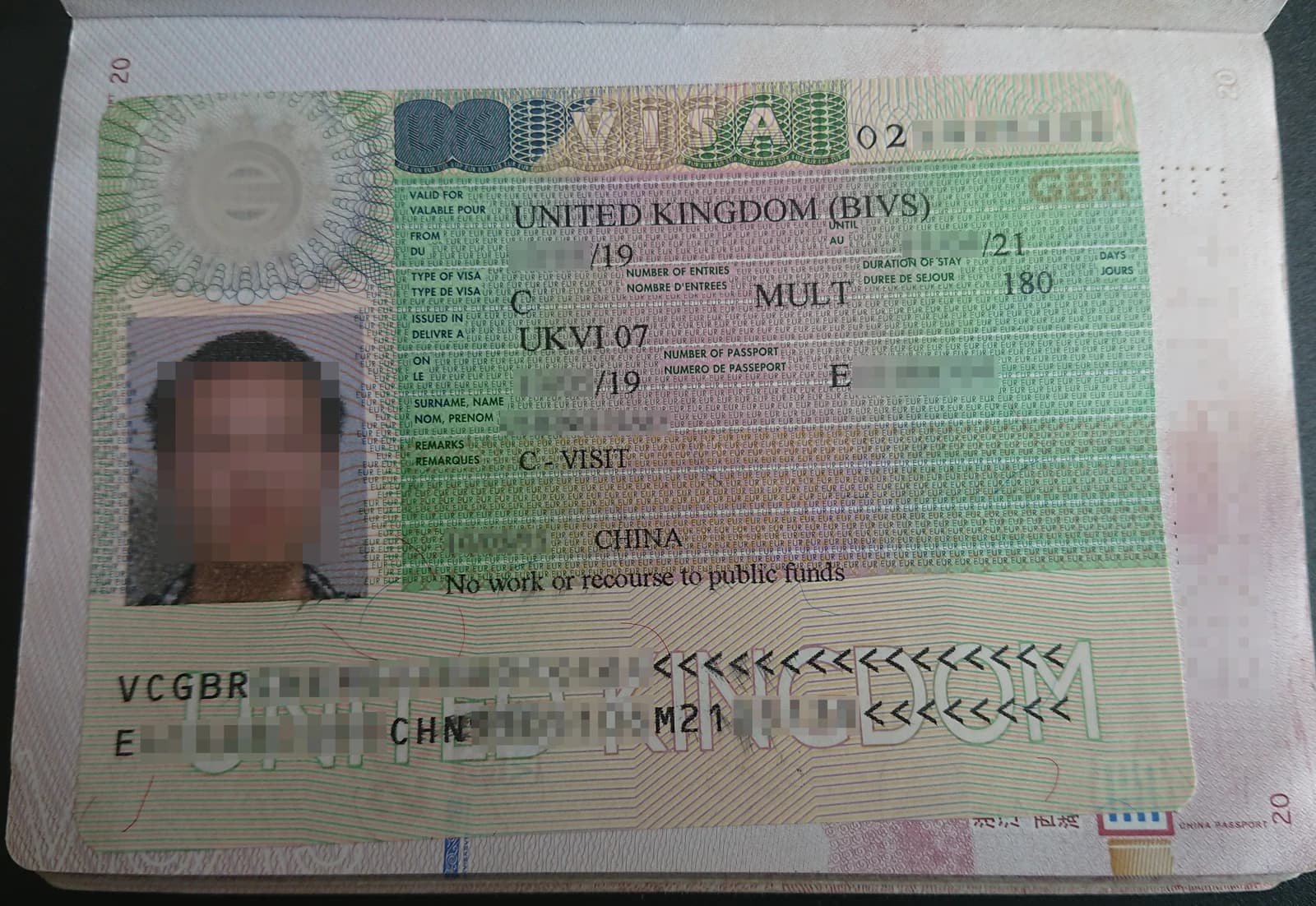
The UK’s tougher student visa regime is set to raise the upfront cost of studying in Britain and is already slowing demand from some of its biggest feeder markets, a change that could hit university fee income and widen the gap between well-capitalised institutions and those more reliant on overseas tuition.
UK student visa rules raise costs for overseas applicants

From November 30, 2026, international students will have to show larger maintenance balances for 28 consecutive days before applying, on top of visa and health surcharge costs that can push the entry bill well above what many families in Africa and other cost-sensitive markets can easily meet. In London, applicants must prove close to Sh260,000 a month in living funds, while students elsewhere in the UK must show up to Sh200,000 a month. Over a standard nine-month academic year, that equates to roughly Sh2.4 million in London and Sh1.8 million outside it.
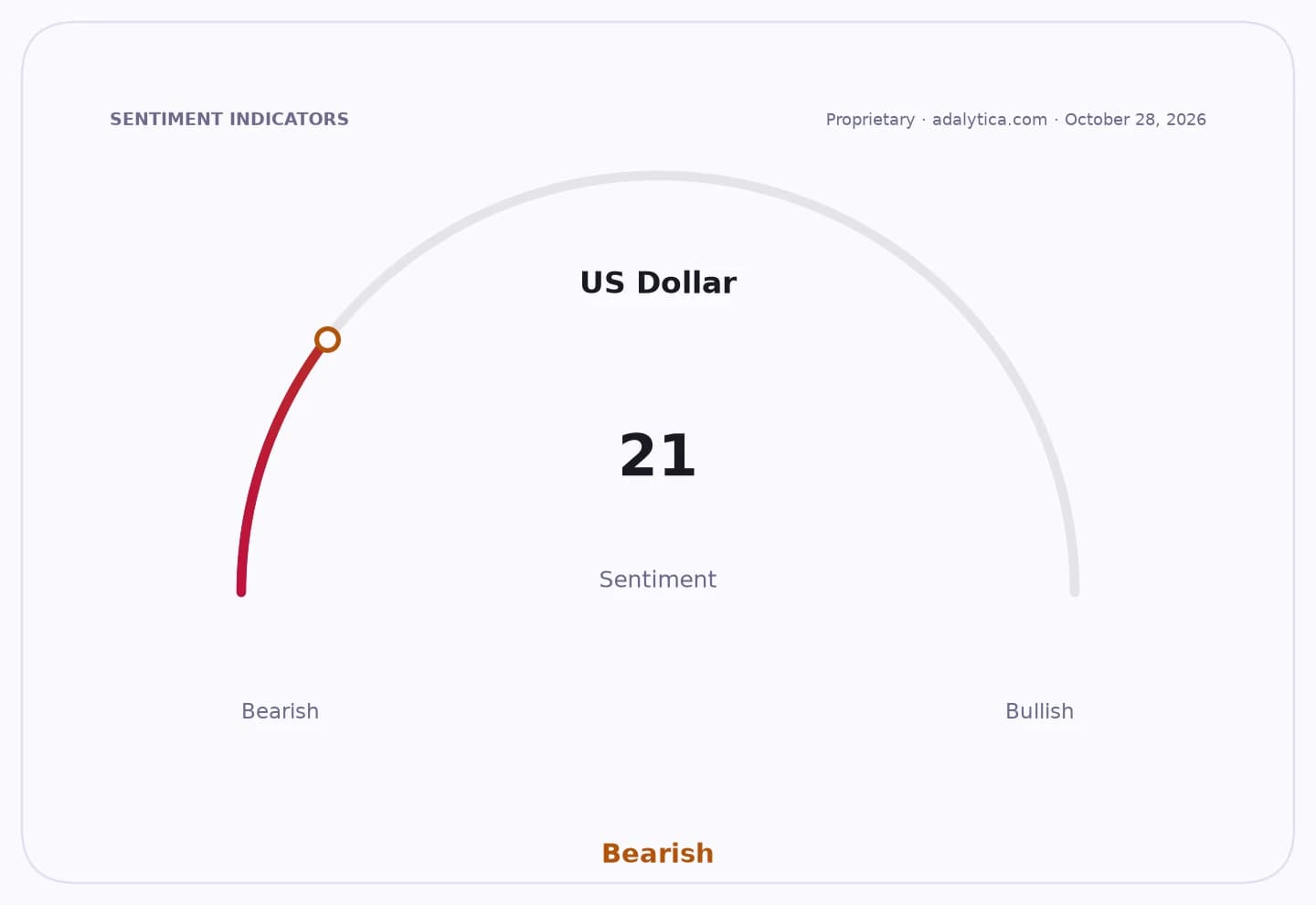
Sentiment IndicatorsⓘProprietary · adalytica.com · October 26, 2026
This is a snapshot — live sentiment, awareness and momentum for 130+ markets update continuously in the dashboard.Open AlphaPulse

The policy lands at a time when UK inflation and living costs have already forced domestic support measures higher, underscoring the government’s effort to align visa rules with a more expensive economic environment. But it also reflects a sharper political and security-driven approach to migration. The Home Office has coupled tighter financial thresholds with a targeted “Visa Brake” that will effectively bar new student applications from Cameroon, Sudan, Afghanistan and Myanmar from March 26, 2026, signalling that student mobility is now being filtered through broader immigration policy rather than education policy alone.
For universities, the economic impact is straightforward: fewer applicants, fewer sponsored visas and potentially softer enrolment growth from markets that have been vital to fee income. Nigeria, the third-largest source of international students after China and India, granted about 28,405 sponsored study visas in the year to March 2026, according to the data cited in the context. Yet the combined effect of tighter proof-of-funds rules, currency weakness and country-specific restrictions has already contributed to a slowdown in enrolments from West and East Africa, including Ghana and Kenya.
That matters because international students are not just a diversity metric; they are a major funding stream for UK higher education. The sector has long depended on overseas tuition to cross-subsidise research and domestic teaching, especially as public funding has remained tight. A 12% year-on-year fall in sponsored study visas granted points to a real revenue headwind if the trend persists into the next recruitment cycle, particularly for universities with heavy exposure to postgraduate taught programmes and South Asian or African recruitment pipelines.
The rules are also more restrictive for postgraduates than before. Since January 2024, taught master’s students have been barred from bringing dependents and cannot switch into work visas before completing their courses. That reduces the flexibility and attractiveness of the UK for students who might otherwise have chosen it over Australia, Canada or the US, even as those countries also tighten scrutiny. The difference, however, is that Britain’s approach is more explicitly targeted at particular nationalities, making it more politically visible and more likely to reshape recruitment patterns quickly.
Investors in listed education and visa-linked businesses will be watching whether the drop in sponsored visas becomes structural rather than cyclical. For university operators and related service providers, the bull case is that demand from higher-income markets remains resilient and institutions adapt by shifting recruitment toward less vulnerable geographies. The bear case is that lower affordability, currency devaluation and tighter rules permanently compress the applicant pool, especially in price-sensitive markets where the UK has historically been competitive on prestige but vulnerable on cost.
The likely near-term result is a more selective UK international student market, with the pressure falling hardest on applicants from weaker currencies and on universities with the highest dependence on fee-paying overseas students. If enrolments do not stabilise, the policy could force institutions to rework recruitment strategies, discount more aggressively or absorb slower revenue growth over the next intake cycle.
| Entity | Gains | Losses |
|---|---|---|
| UK Home Office | ▲tighter migration control | ▼lower international intake |
| UK universities | ▲tougher compliance clarity | ▼weaker overseas fee income |
| African applicants | ▲none | ▼higher upfront visa costs |
| Competitor destinations | ▲relative attractiveness | ▼UK market share pressure |