The UK is making some visa applicants pay more than the headline application fee, adding costs for those who want faster processing and for longer-term stays that come with access to the National Health Service.
UK visa applicants face higher fees and NHS surcharge
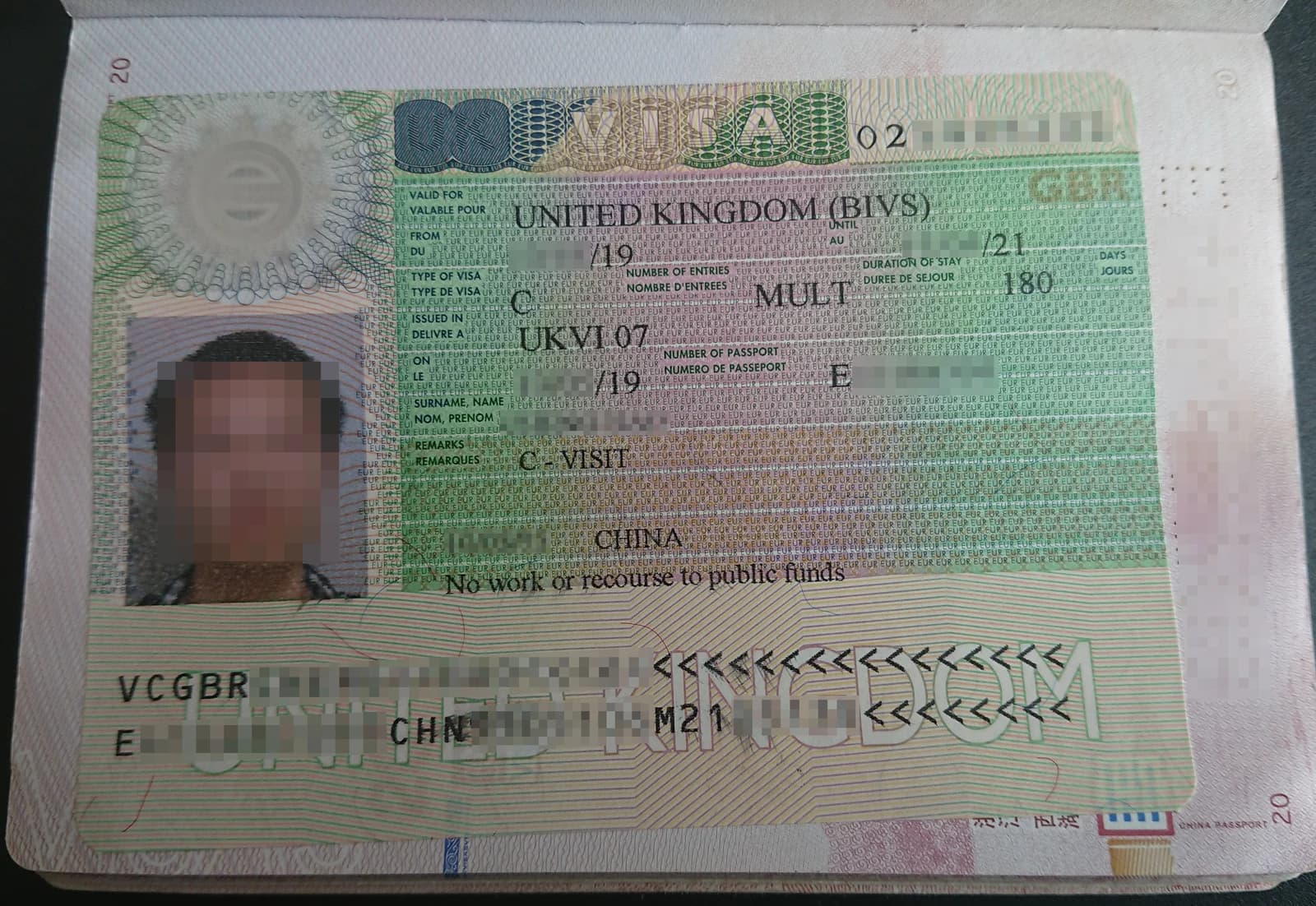
That matters because visa charges are not just an administrative detail: they shape who can afford to move, work or study in Britain, and they can influence demand for UK-linked services ranging from universities and recruiters to travel and relocation firms. For applicants, the new costs add to an already expensive process at a time when governments are using migration policy as both a revenue tool and a lever to manage public services.

Under guidance published on the UK government’s website, two groups face extra payments. Applicants seeking a quicker decision can opt for a priority service at an added cost, while those applying for visas longer than six months may have to pay the Immigration Health Surcharge, a compulsory payment that grants access to NHS healthcare during their stay.
The surcharge is particularly significant because it turns healthcare access into a material part of the overall cost of coming to Britain. For families or workers relocating on longer visas, the combined bill can rise quickly once the application fee, health surcharge and dependent fees are all included. That raises the barrier to entry for lower- and middle-income applicants, even as the UK continues to compete for skilled labour, students and internationally mobile professionals.
The rules also show how the visa process has become increasingly monetised. Beyond the base fee, applicants may need to pay for biometric appointments at some centres, document scanning, and other optional services, though the government says these do not affect the outcome of the application. Most centres offer free appointments within five working days, but some applicants are told they may need to pay £76.50 for a standard slot.
For investors, the immediate market impact is limited, but the policy direction is relevant. Higher visa frictions can weigh on sectors that depend on cross-border mobility, including education, healthcare recruitment, professional services and tourism-linked businesses. They can also support government revenues in the short term, but at the risk of making the UK less competitive versus other destinations offering longer-term residency or lower upfront costs.
The contrast with countries such as Thailand, which has used long-term resident visas to attract foreign investors and skilled expatriates, underscores the strategic choice governments face: treat visas as a source of income and cost recovery, or as part of a broader growth strategy to pull in talent and capital. Britain appears to be doing both, but the balance is tilting toward higher charges.
For now, the main investment takeaway is that the UK is keeping migration expensive and transactional. That may help fund public services and streamline demand, but it also raises questions about whether the country is making itself harder to access just as global competition for mobile workers and investors intensifies.
| Entity | Gains | Losses |
|---|---|---|
| UK government | ▲Fee revenue | ▼Migration accessibility |
| NHS / public services | ▲Cost recovery | ▼Lower-cost visa appeal |
| Visa applicants | ▲Faster processing option | ▼Higher overall application cost |
| Employers / recruiters | ▲Clearer processing rules | ▼Higher relocation friction |