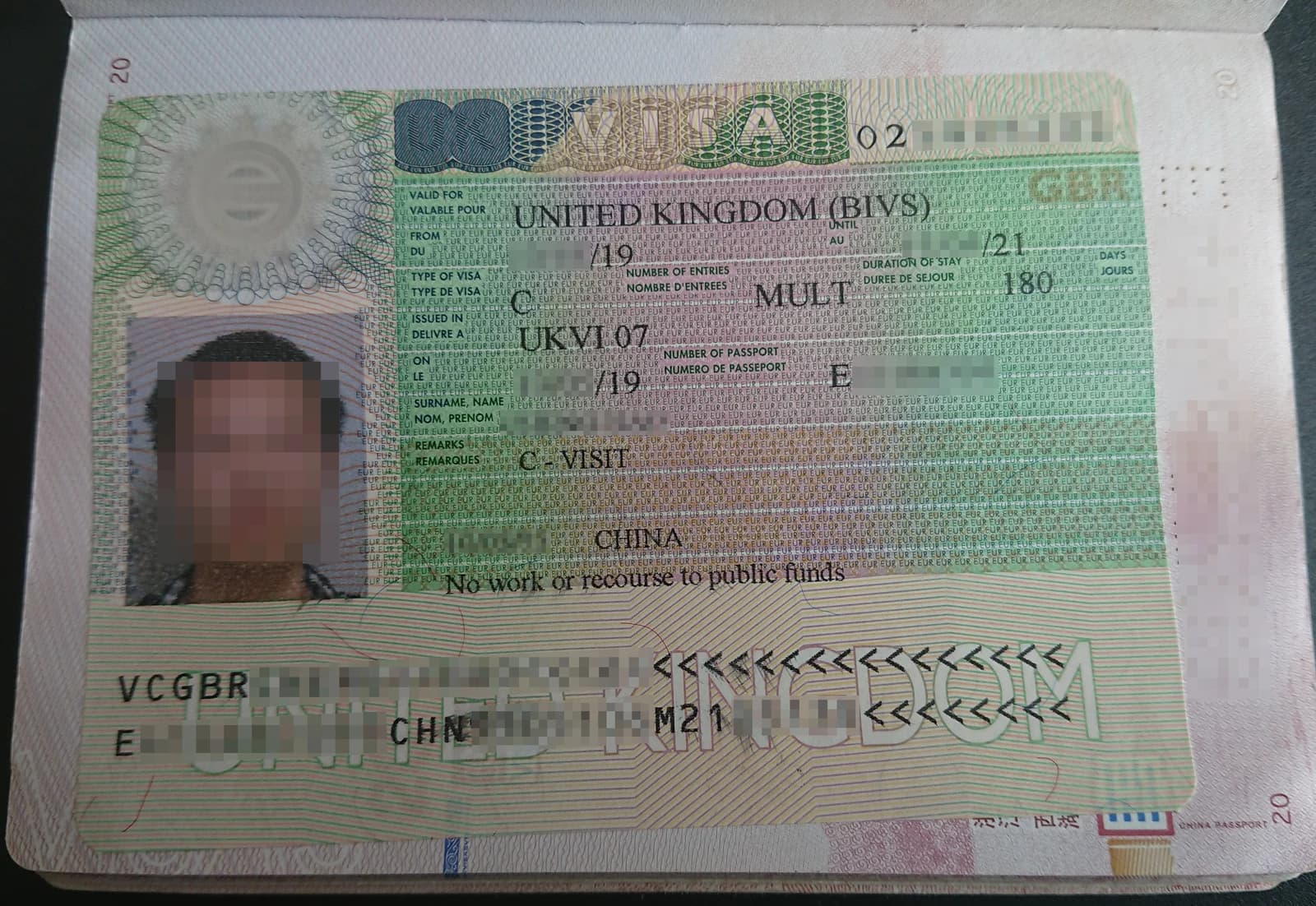
The U.S. is making short-term travel much more expensive for citizens of 11 West African countries, requiring some B1/B2 visitor-visa applicants to post bonds of as much as $20,000 before a visa is issued.
U.S. Visa Bonds Hit 11 West African Countries
The policy, published by the State Department under a 2026 final rule, targets countries with elevated U.S. overstay rates and underscores Washington’s effort to tighten immigration enforcement without formally shutting the door on travel. For applicants, the bond is a steep upfront cash burden that could deter family visits, business trips and medical travel even when visas are technically available.
Sentiment IndicatorsⓘProprietary · adalytica.com · October 13, 2026
This is a snapshot — live sentiment, awareness and momentum for 130+ markets update continuously in the dashboard.Open AlphaPulse
Benin, Cabo Verde, Ivory Coast, The Gambia, Guinea, Guinea-Bissau, Mauritania, Nigeria, Sao Tome and Principe, Senegal and Togo are on the list. A consular officer sets the bond at $10,000, $15,000 or $20,000 during the visa interview, and travelers must file Department of Homeland Security Form I-352 and pay through the Treasury’s online platform only after being told to do so.
The measure applies wherever the visa is applied for, meaning nationals from the listed countries face the same conditions at U.S. embassies outside West Africa as well. That broad reach makes it more than a local consular rule: it is a direct restriction on mobility for a region where U.S. travel, diaspora ties and remittances all carry economic weight.
For investors, the immediate read-through is limited but not zero. Airlines, travel agencies and cross-border service providers with exposure to West African traffic may see softer demand at the margin, while U.S.-linked educational and business travel could get more cumbersome. The policy also fits a broader environment of higher financing and compliance costs, with Treasury yields near multi-decade highs and the dollar showing strong momentum, making large cash bonds even more onerous for applicants.
The State Department said the requirement is tied to DHS overstay data, suggesting the list could evolve if those figures change. The key risk for markets is whether this becomes a wider template for bond-based visa screening, which would further raise the cost of entry for travelers from other high-overstay countries.
| Entity | Gains | Losses |
|---|---|---|
| U.S. government | ▲tighter overstay control | ▼reduced inbound travel |
| West African travelers | ▲limited access path via visa process | ▼higher upfront cash burden |
| Airlines and travel sellers | ▲compliance-driven bookings | ▼weaker visitor demand |
| U.S. border enforcement | ▲stronger leverage on applicants | ▼administrative complexity |