The United States has widened a visa-bond program that can require up to $20,000 from applicants in 50 countries, a move that raises the cost and friction of short-term travel while leaving India off the list for now.
U.S. widens visa bond program to 50 countries
The policy matters because it turns visa issuance into a financial screening tool at a time when Washington is trying to curb overstays without fully closing the door to tourism and business travel. For affected travelers, a bond of $10,000, $15,000 or $20,000 is a material hurdle that can deter discretionary trips, complicate corporate travel planning and effectively tax lower-income applicants from countries deemed higher risk.
Sentiment IndicatorsⓘProprietary · adalytica.com · October 3, 2026
This is a snapshot — live sentiment, awareness and momentum for 130+ markets update continuously in the dashboard.Open AlphaPulse
India’s exemption is the most significant commercial and diplomatic detail in the list. South Asian countries including Bangladesh, Bhutan and Nepal are covered, but Indian passport holders are not, preserving access for one of the world’s largest outbound travel markets and avoiding an immediate blow to business links, family travel and high-value leisure demand. The State Department said the program is based on overstay data and operated under Section 221(g)(3) of the Immigration and Nationality Act, underscoring that the measure is designed as a compliance mechanism rather than a blanket travel ban.
The bond requirement also changes the economics of who can travel, and when. Applicants must file DHS Form I-352 and post the bond through Pay.gov only after a consular officer directs them to do so. Even then, approval is not guaranteed, and travelers face strict route restrictions: they must arrive and depart through commercial aviation, including preclearance facilities, and cannot use general aviation, charter aircraft, seaports or land borders. That adds logistical complexity for frequent business travelers and small firms that rely on flexible itineraries.
For the travel industry, the near-term losers are airlines, online booking platforms and operators exposed to inbound and outbound flows from the affected countries, especially where leisure demand is price-sensitive. Booking Holdings and Airbnb have already been navigating a volatile international travel backdrop, and anything that suppresses cross-border bookings can feed through to room nights, flight demand and ancillary spend. U.S. carriers with broad international networks could see a modest drag in some markets, while countries excluded from the bond regime may gain a relative advantage in traveler confidence.
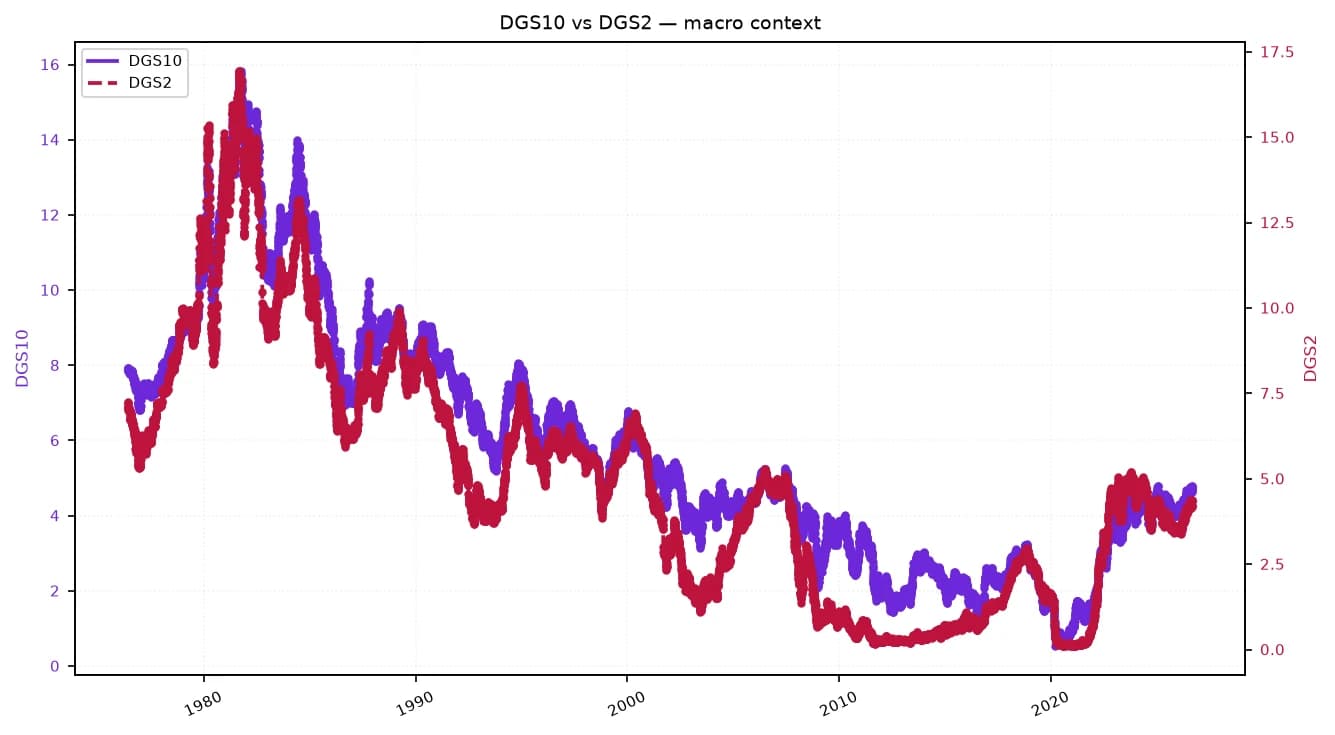
The policy lands against a broader backdrop of tighter financial conditions and more selective cross-border mobility. U.S. Treasury yields have stayed elevated, credit is more expensive and governments are relying more heavily on data-driven screening and enforcement tools. In that environment, the visa bond program is less about revenue than risk control, but it still functions like a steep upfront fee that can reshape travel patterns at the margin.
For investors, the key question is whether the list remains stable or expands. If more countries are added, the impact on international travel demand could broaden; if India stays exempt, the sector-facing effect is likely to remain concentrated in lower-value, higher-friction routes from the named countries. The bigger takeaway is that U.S. travel policy is becoming more transactional, and that can incrementally favor operators tied to higher-income, lower-friction travelers while penalizing the most price-sensitive segments.
| Entity | Gains | Losses |
|---|---|---|
| United States government | ▲tighter overstay enforcement | ▼lower travel friction |
| India | ▲visa access preserved | ▼none immediate |
| Covered countries | ▲none | ▼higher visa costs |
| Airlines and travel platforms | ▲exempt-market demand | ▼affected-country bookings |