The Trump administration’s temporary halt to immigrant visa appointments worldwide is another sign that Washington is treating immigration as a lever of economic and foreign policy, and it matters for investors because global mobility is part of the plumbing that supports U.S. labor supply, travel, and cross-border spending.
Trump visa appointment pause affects U.S. immigration

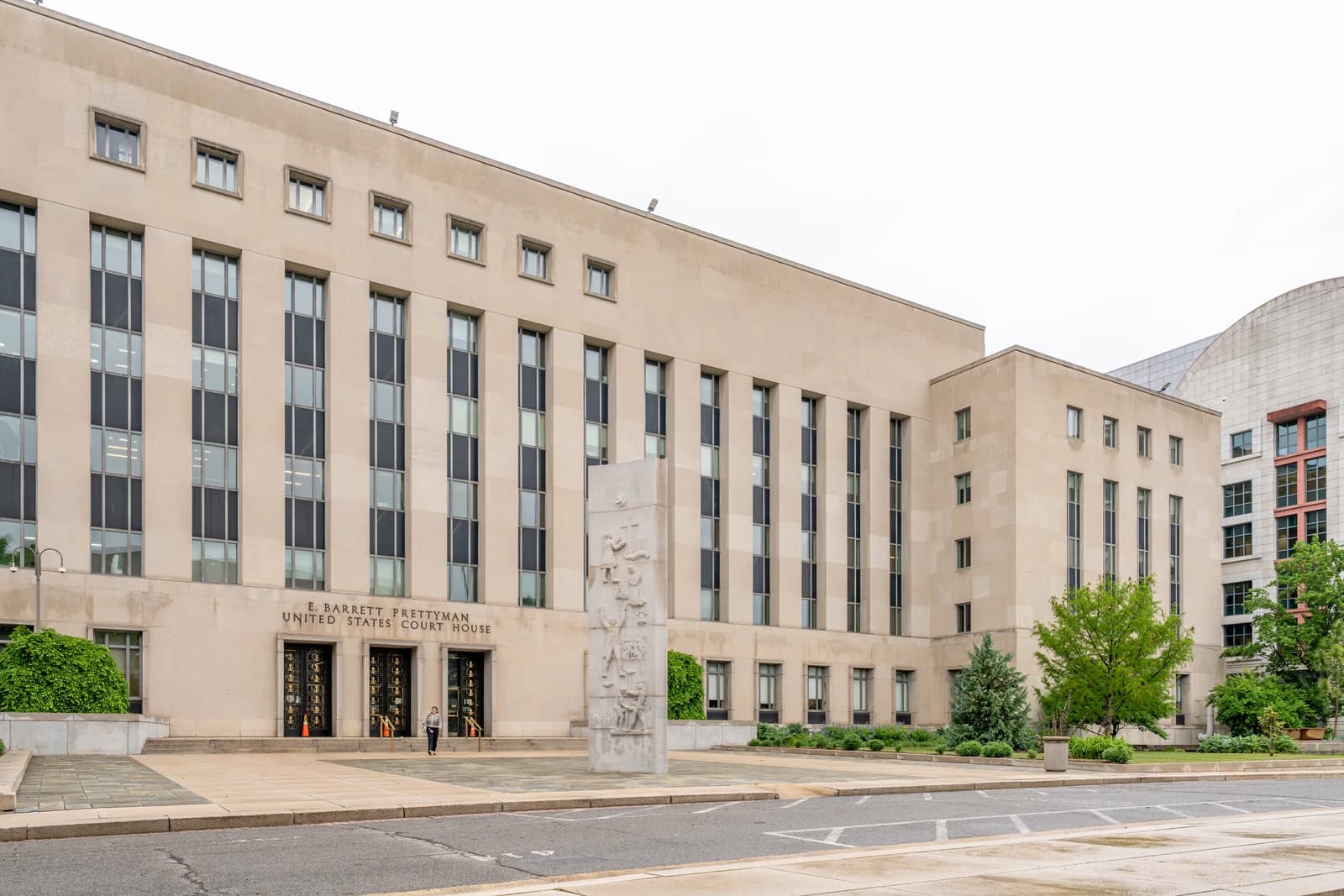
For now, the immediate impact is on applicants waiting for diversity visas and other immigrant categories, including families and workers navigating the already slow U.S. visa system. The State Department said the pause is tied to training for consular officers, but the larger message is unmistakable: visa issuance is being tightened across the board, and the timetable for normal service to resume remains unclear.
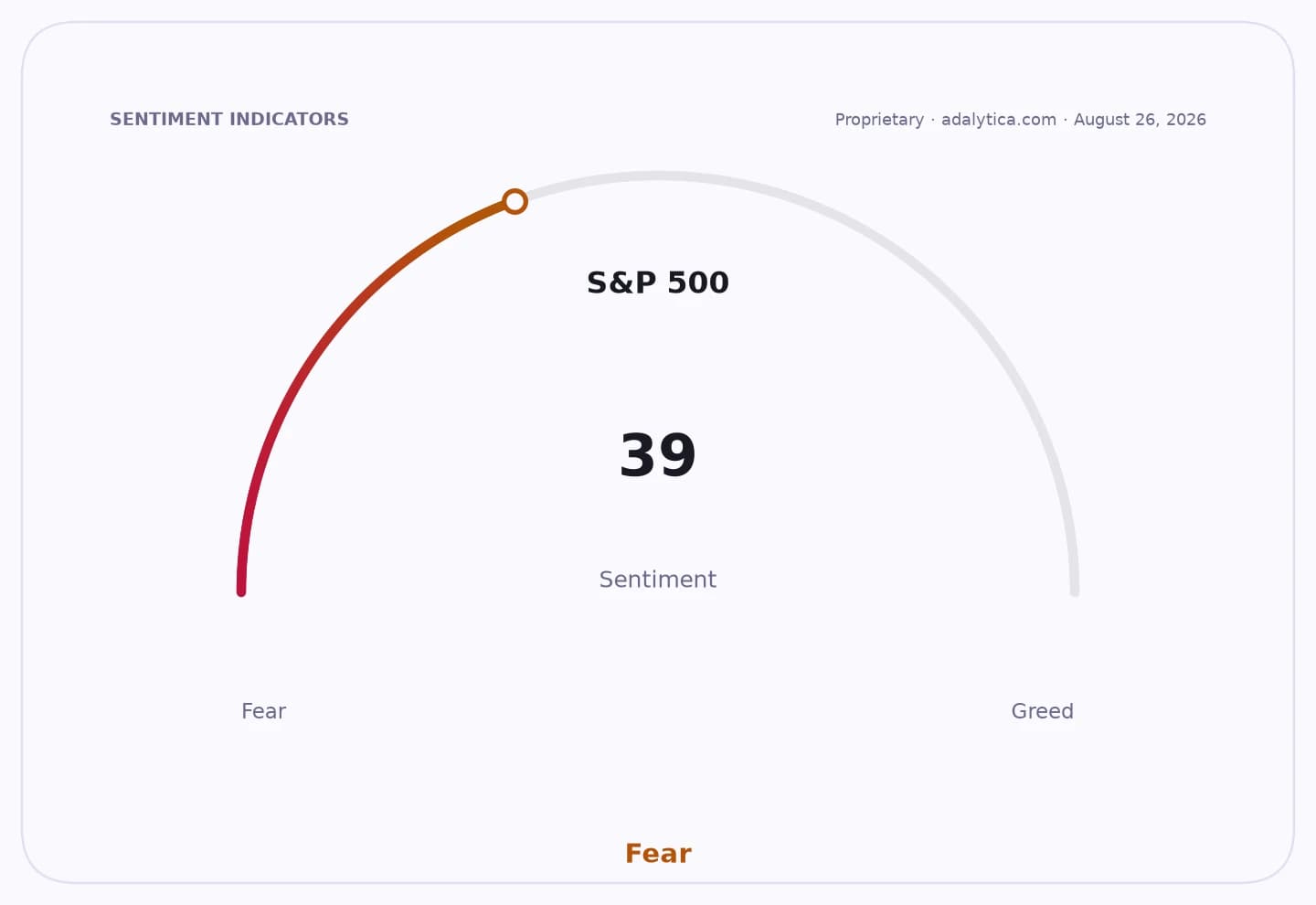
Sentiment IndicatorsⓘProprietary · adalytica.com · September 4, 2026
This is a snapshot — live sentiment, awareness and momentum for 130+ markets update continuously in the dashboard.Open AlphaPulse

That has economic consequences beyond the headlines. A slower flow of immigrants can constrain labor supply over time, especially in industries that rely on foreign-born workers and new arrivals to fill jobs, start businesses, and support consumption. The U.S. economy has been unusually resilient, with payrolls still near 159.1 million and unemployment around 4.1%, but immigration policy can influence how long that resilience lasts by shaping the workforce available to employers.
It also matters for companies with direct exposure to cross-border movement. Visa, the payments network, has repeatedly said cross-border volume benefits from travel-related activity and e-commerce. Its shares were last around $374.03, above the 200-day moving average of about $332.92, even after a recent burst of volatility that pushed the RSI into overbought territory earlier this summer. For long-term investors, that is a reminder that policy shifts affecting travel, migration, and consumer movement can ripple through payment networks and travel-adjacent businesses even when the headline is about immigration, not markets.

India is likely to be among the countries watching closest. Indian applicants account for a large share of U.S. visa demand across work and family categories, and any broad pause in immigrant processing would deepen the backlog and uncertainty for households planning to move, work, or reunite in the U.S. The same is true for employers in technology, healthcare, and other sectors that depend on global talent pipelines.
Investors should think about this as a policy variable, not a one-day trading event. Immigration restrictions can tighten labor markets, alter consumer spending patterns, and create friction in sectors tied to travel and cross-border commerce. But they also tend to move in waves, and companies with durable moats, strong cash generation, and diversified revenue streams can usually absorb the noise.
For patient investors, the better question is not whether this pause creates a headline shock — it does — but which businesses can keep compounding through policy cycles. Visa remains a resilient franchise, and the broader U.S. economy still looks healthy enough to absorb disruptions like this, but the visa freeze is worth watching because it touches labor, travel, and spending all at once.
| Entity | Gains | Losses |
|---|---|---|
| Trump administration | ▲Tighter control over immigration | ▼Political criticism over delays |
| U.S. employers reliant on foreign talent | ▲Little immediate gain | ▼Slower hiring pipeline |
| Immigrant applicants, including Indians | ▲None in the near term | ▼Delays, uncertainty, backlog |
| Visa and travel-linked businesses | ▲Longer-term mobility demand if pause is brief | ▼Near-term cross-border volume disruption |