Forem’s 12,750 open job offers are a reminder that even in a cooling labor market, employers still need to hire — and that matters for households, businesses and investors trying to read the next move in the economy.
Forem job offers point to softer labor market

The big picture is not that jobs are disappearing, but that demand is becoming more selective. In Belgium, Forem’s vacancy count suggests employers are still searching for workers, even as broader labor data point to a softer backdrop. The U.S. unemployment rate is projected at 4.02% for September, only slightly below August’s 4.1%, while job openings are expected to edge up to about 7,402,000 after recent volatility. Payrolls continue to expand too, with nonfarm employment forecast near 159.1 million. That combination points to an economy that is slowing from its post-pandemic heat, but not rolling over.
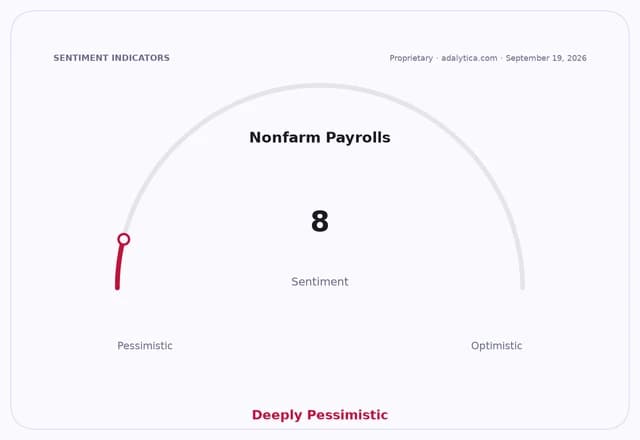
For investors, that distinction matters. A labor market that is cooling without cracking gives central banks more room to ease policy gradually rather than rushing to rescue growth. It also supports a more nuanced read on consumer spending: wage income can keep flowing even as hiring gets tougher, which is usually better for earnings than a sharp jobs slump. But it also means wage pressure may not fade as quickly as hoped, keeping inflation sticky in services and forcing policymakers to stay patient.
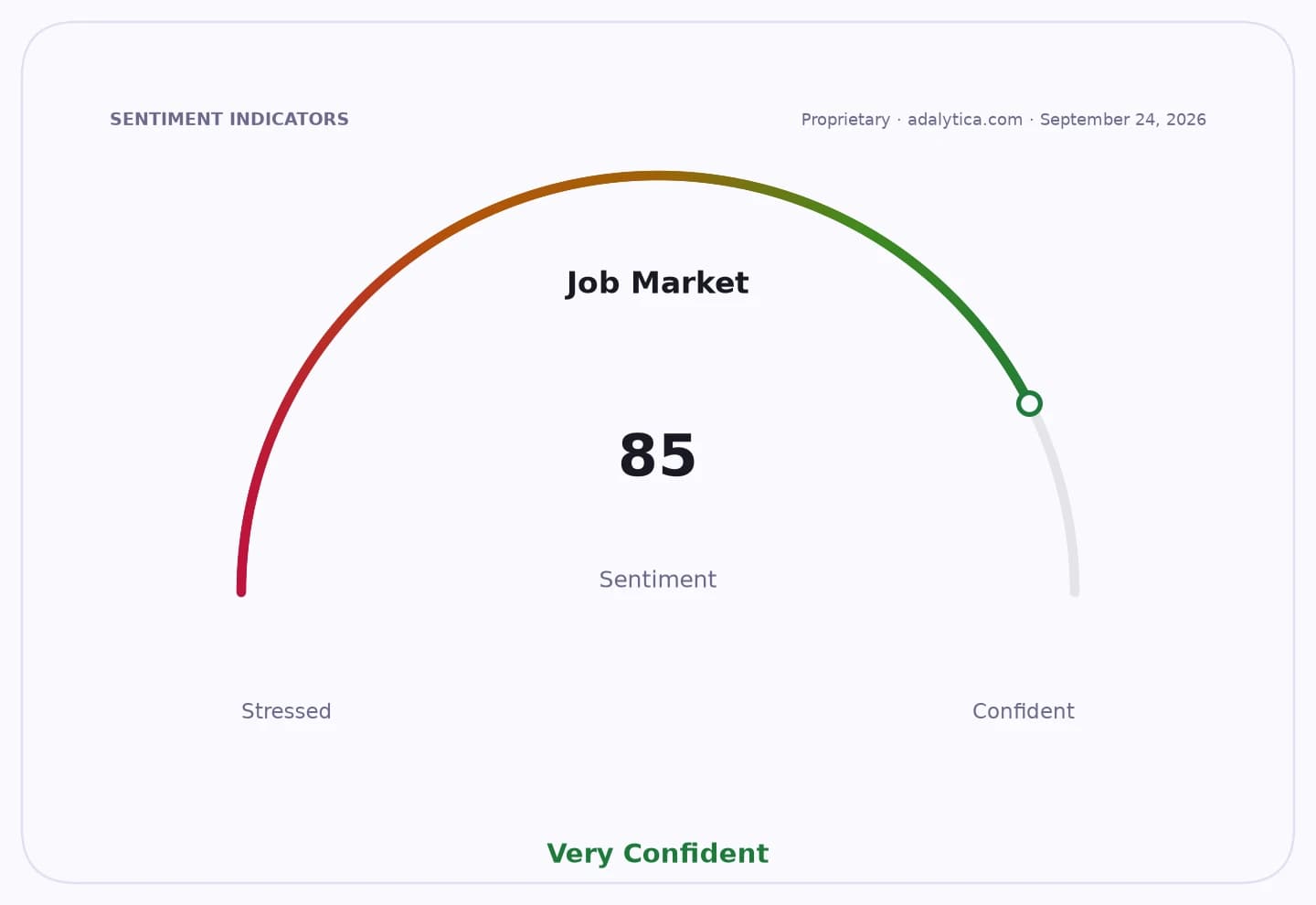
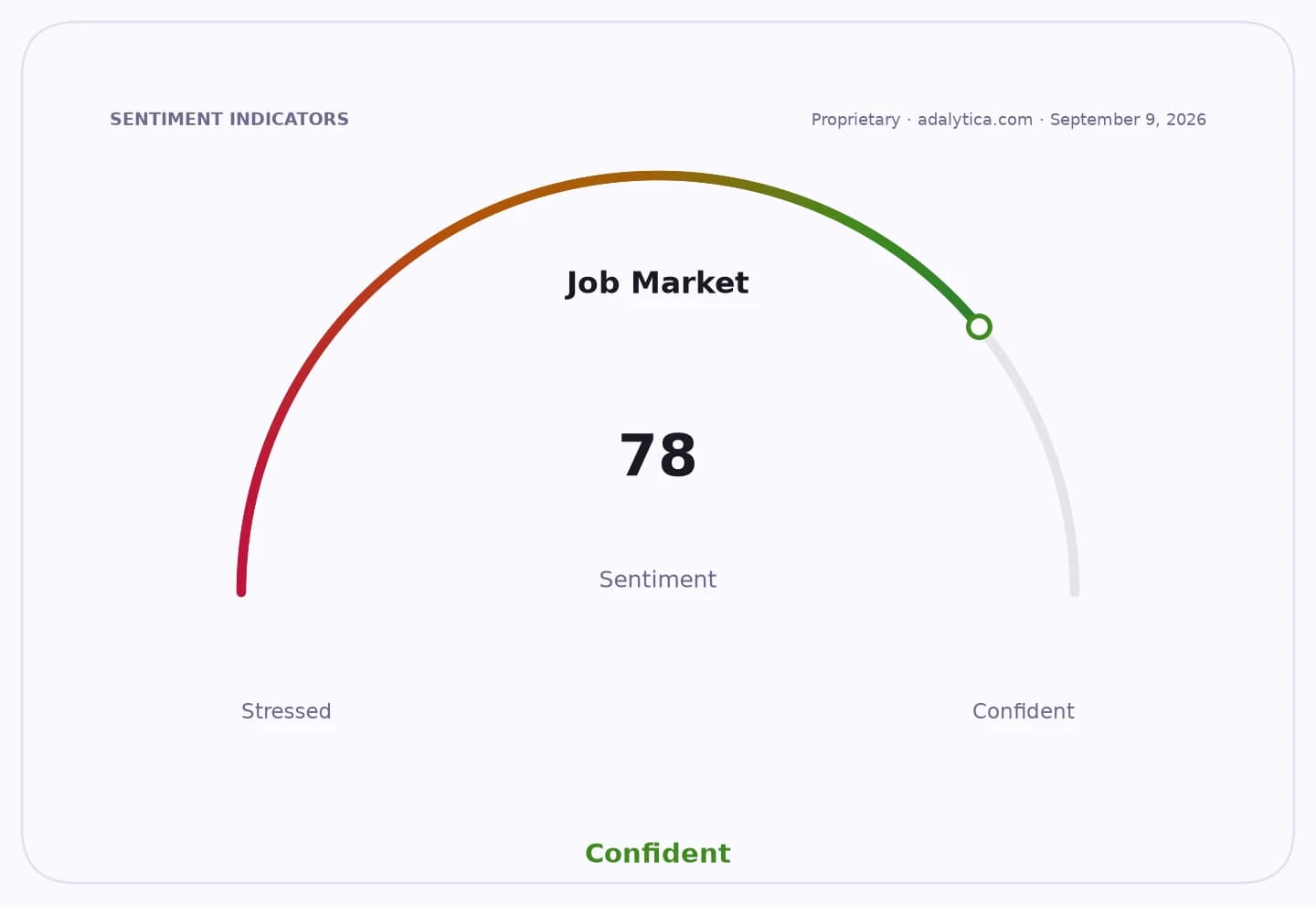
Forem’s 12,750 vacancies also underline a structural shift that investors should not ignore: hiring demand is increasingly split between roles that require experience and those that do not. That opens the door to a wider pool of workers and can help absorb displaced labor, especially in service-heavy economies. Yet the broader message from Europe is still one of softness. Job openings have fallen to a five-year low in some markets, and unemployment sentiment tracked by Adalytica has fallen into “Extreme Fear,” suggesting workers and job seekers are feeling the squeeze even when official unemployment figures remain contained.
UNRATE vs JTSJOL — macro contextadalytica.com
Explore this data interactively — full history, time series and cross-market comparisons.Open AlphaPulse

That tension — between resilient payrolls and weakening vacancies — is what makes this story economically important. Employers are still hiring, but less aggressively. Workers still have opportunities, but bargaining power is not what it was. For investors, that usually translates into a market that can support quality companies with pricing power and durable cash flow, while cyclical names tied to fast labor growth may need more proof before re-rating.
The long-term takeaway is simple: a labor market doesn’t need to be booming to be investable, but it does need to avoid a hard stop. Forem’s job offers suggest the labor engine is still running, just at a lower gear. For investors, that is a watchlist story — one that reinforces the case for patience, diversification and focus on businesses that can compound through a slower, more selective hiring cycle.
| Entity | Gains | Losses |
|---|---|---|
| Job seekers with no experience | ▲More entry points | ▼Less bargaining power |
| Employers | ▲Larger applicant pool | ▼Slower hiring fill rates |
| Central banks | ▲More room to cut gradually | ▼Less urgency to ease fast |
| Quality employers with pricing power | ▲Resilient staffing access | ▼Cyclical hiring-sensitive firms |