U.S. hiring picked up in August just as mortgage rates climbed to the highest level in more than a year, a combination that keeps the economy expanding but leaves housing under pressure and investors bracing for a longer stretch of elevated borrowing costs.
U.S. Jobs Rise as Mortgage Rates Hit Year High
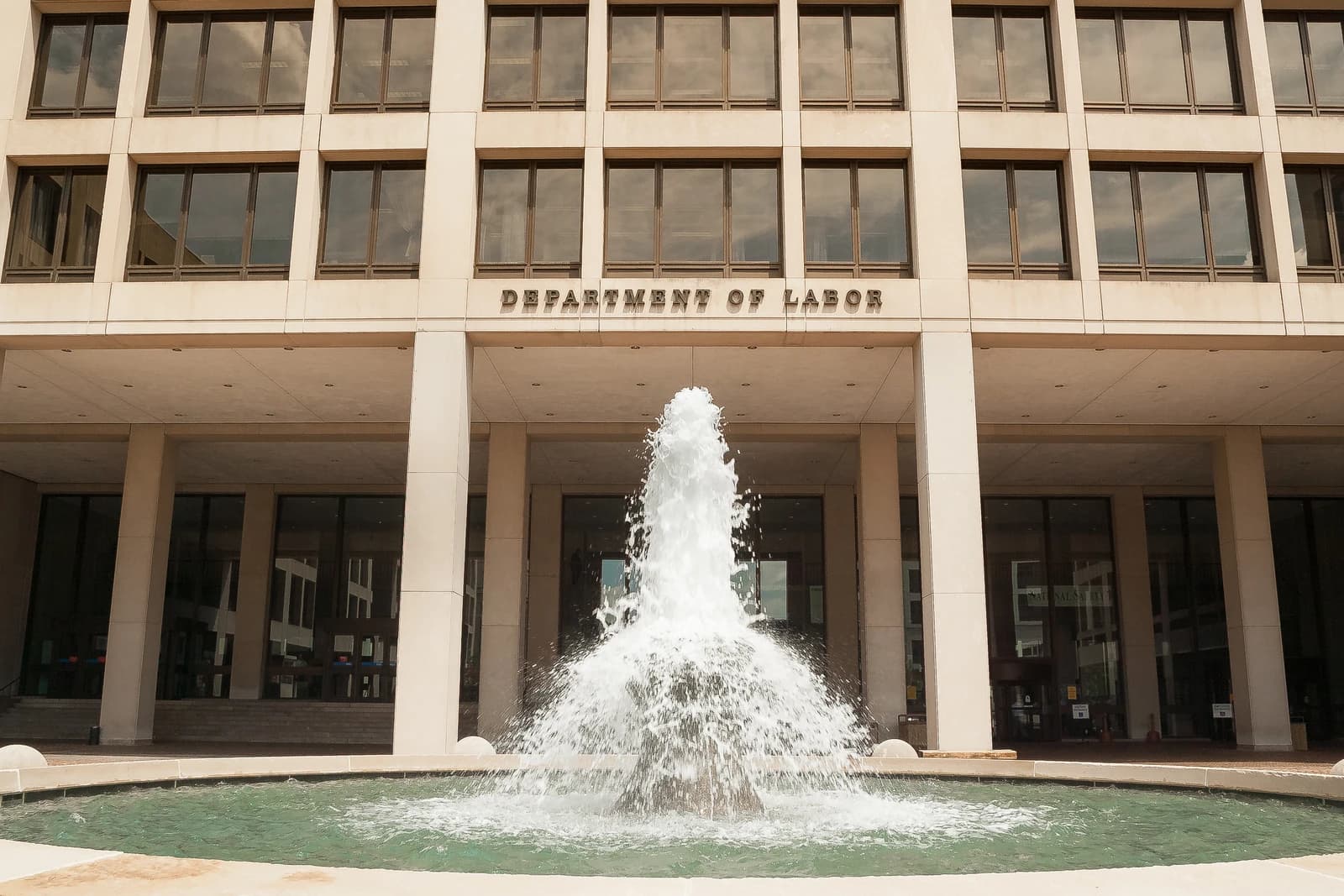
The labor market’s resilience is the key economic takeaway. Employers added 162,000 jobs last month, far more than economists expected, while the unemployment rate held at 4.1%. That suggests the economy is still generating income and spending power even as higher prices, especially for fuel and shipping, continue to squeeze households.
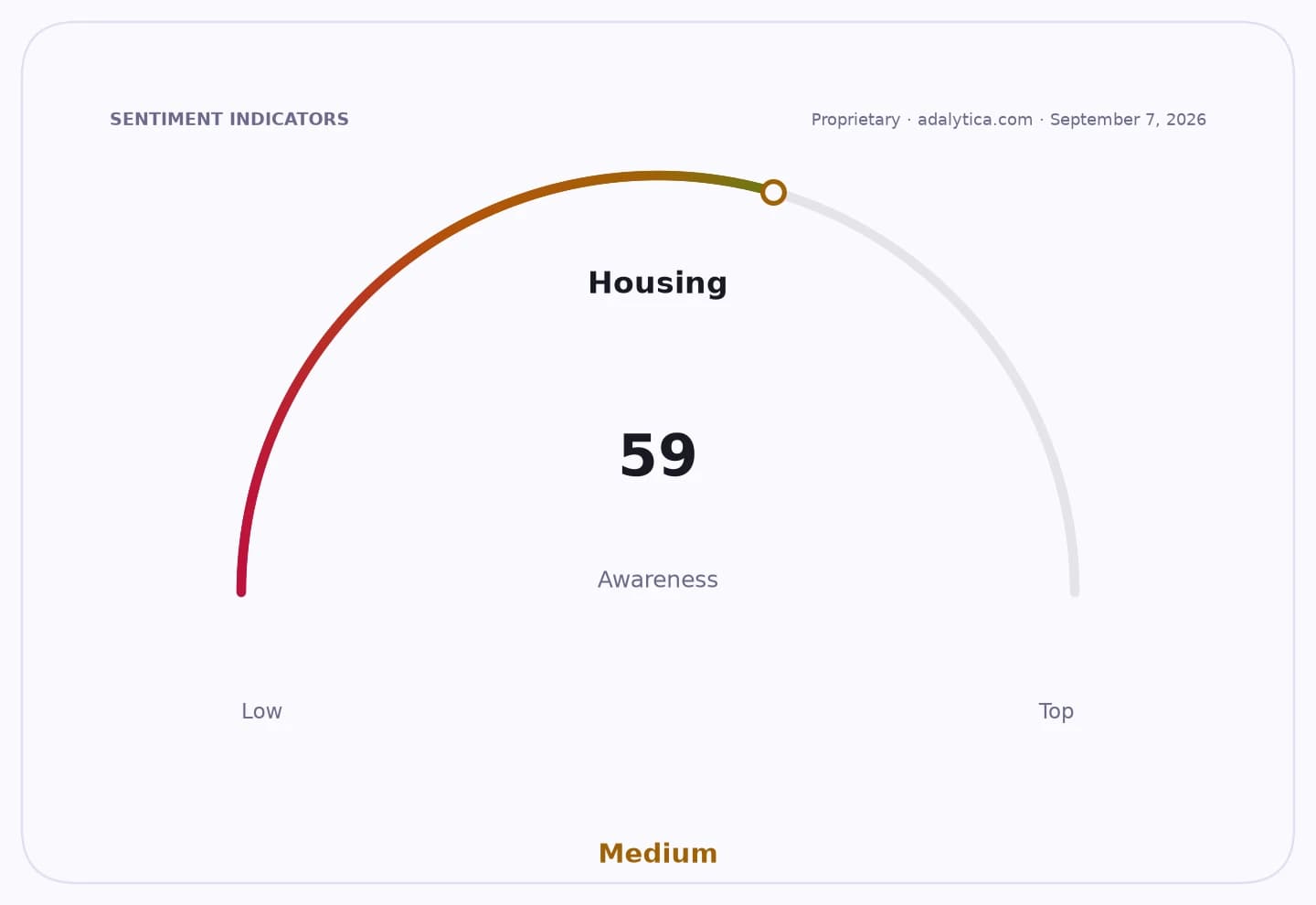
Sentiment IndicatorsⓘProprietary · adalytica.com · September 7, 2026
This is a snapshot — live sentiment, awareness and momentum for 130+ markets update continuously in the dashboard.Open AlphaPulse
But the report also reinforces a tougher message for anyone hoping for quick relief in the housing market. Freddie Mac said the average 30-year fixed mortgage rate rose to 6.71% from 6.66% a week earlier, above last year’s 6.50% and the highest in more than a year. For homebuyers, that means monthly payments stay painfully high. For sellers, it means fewer qualified buyers. For the broader economy, it means home sales are likely to remain stuck in a rut.
That tension matters because housing is one of the clearest channels through which interest rates hit Main Street. Higher mortgage costs do not just slow home purchases; they ripple into furniture, appliances, construction, real estate services and consumer confidence. The longer rates stay near these levels, the harder it gets for the market to regain momentum, especially if wage growth remains sluggish. Average hourly earnings rose 3.1% from a year earlier, the weakest pace since May 2021, which means paychecks are not keeping up with the cost of living.
The jobs data also has market consequences. A stronger labor market gives the Federal Reserve more room to keep policy restrictive if inflation stays sticky, and that is usually a headwind for bonds and rate-sensitive stocks. Treasury yields rose after the report, and U.S. stocks mostly fell, with the tech sector among the biggest drags as investors reconsidered how long cheaper money will stay out of reach. That is why mortgage rates and hiring belong in the same story: both are signs of an economy that is still functioning, but at a higher cost.
For long-term investors, the important lesson is not to chase every move in rates or employment. It is to recognize which businesses can thrive when borrowing costs stay elevated. Lenders, homebuilders and real estate platforms tend to feel the squeeze first, while companies with durable cash flow, low debt and pricing power are better equipped to wait out the cycle. If rates eventually ease, housing could recover sharply; if they do not, the winners will be the firms that adapt to a more expensive capital environment.
For now, the message is simple: the U.S. economy is still hiring, but the housing market is still paying the price. Investors should expect volatility to remain a feature of the rate story and keep a long-term watchlist focused on resilience, not just short-term relief.
| Entity | Gains | Losses |
|---|---|---|
| Workers and consumers | ▲Job income support | ▼Higher living costs |
| Federal Reserve hawks | ▲More room to stay tight | ▼Faster rate cuts |
| Homebuilders and lenders | ▲None immediate | ▼Softer demand |
| Long-term diversified investors | ▲Buying opportunities | ▼Rate-sensitive stocks |