U.S. jobless claims fell unexpectedly last week, reinforcing the view that employers are still largely holding onto workers even as the Federal Reserve keeps rates elevated to fight inflation.
U.S. Jobless Claims Fall to 196,000
Initial claims dropped 10,000 to a seasonally adjusted 196,000 in the week ended Sept. 12, the Labor Department said, well below the 208,000 economists had expected. The decline came during the Labor Day holiday period, which likely distorted the data, but the four-week average also eased to 203,250, pointing to a labor market that remains steady rather than weakening sharply.
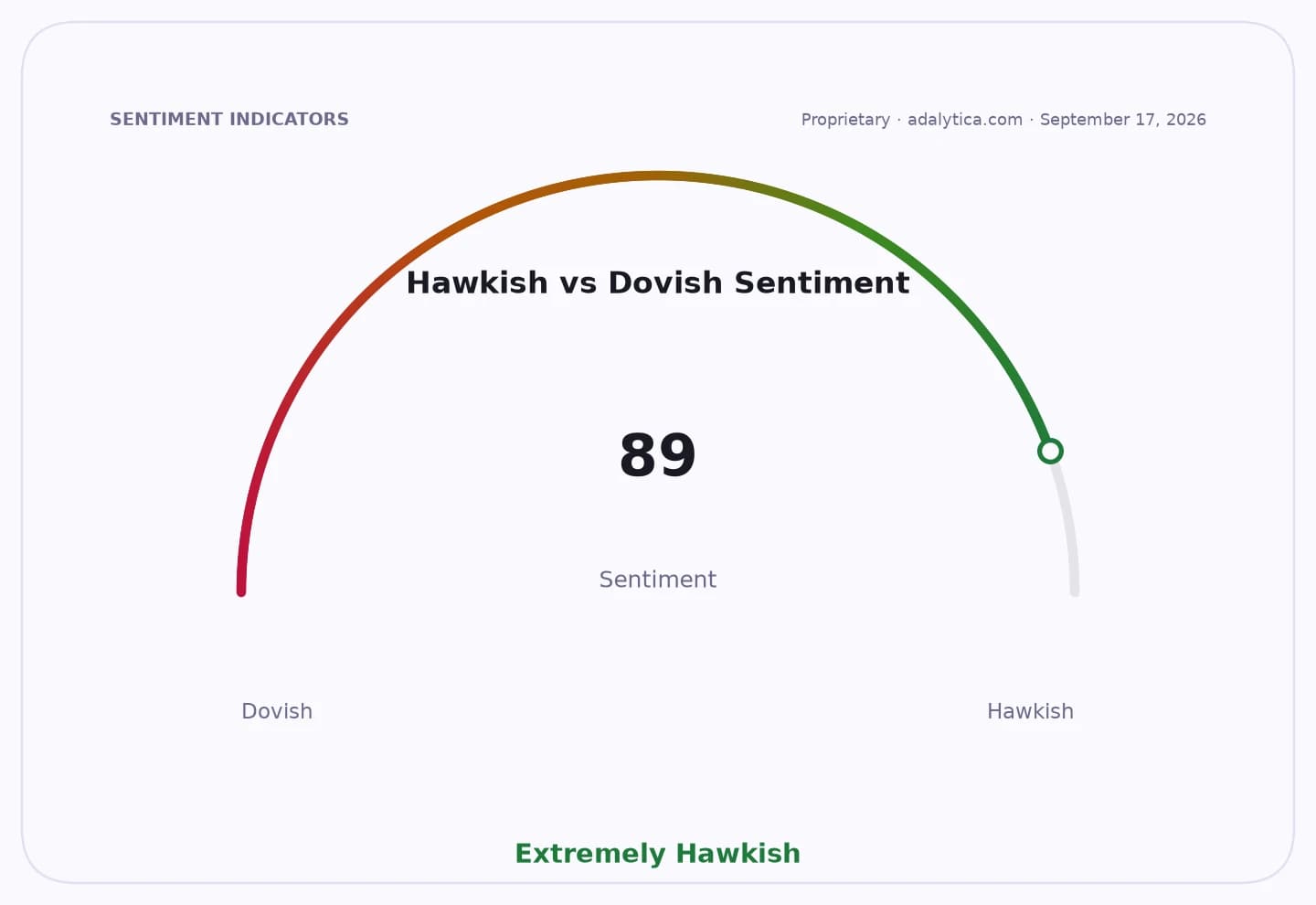
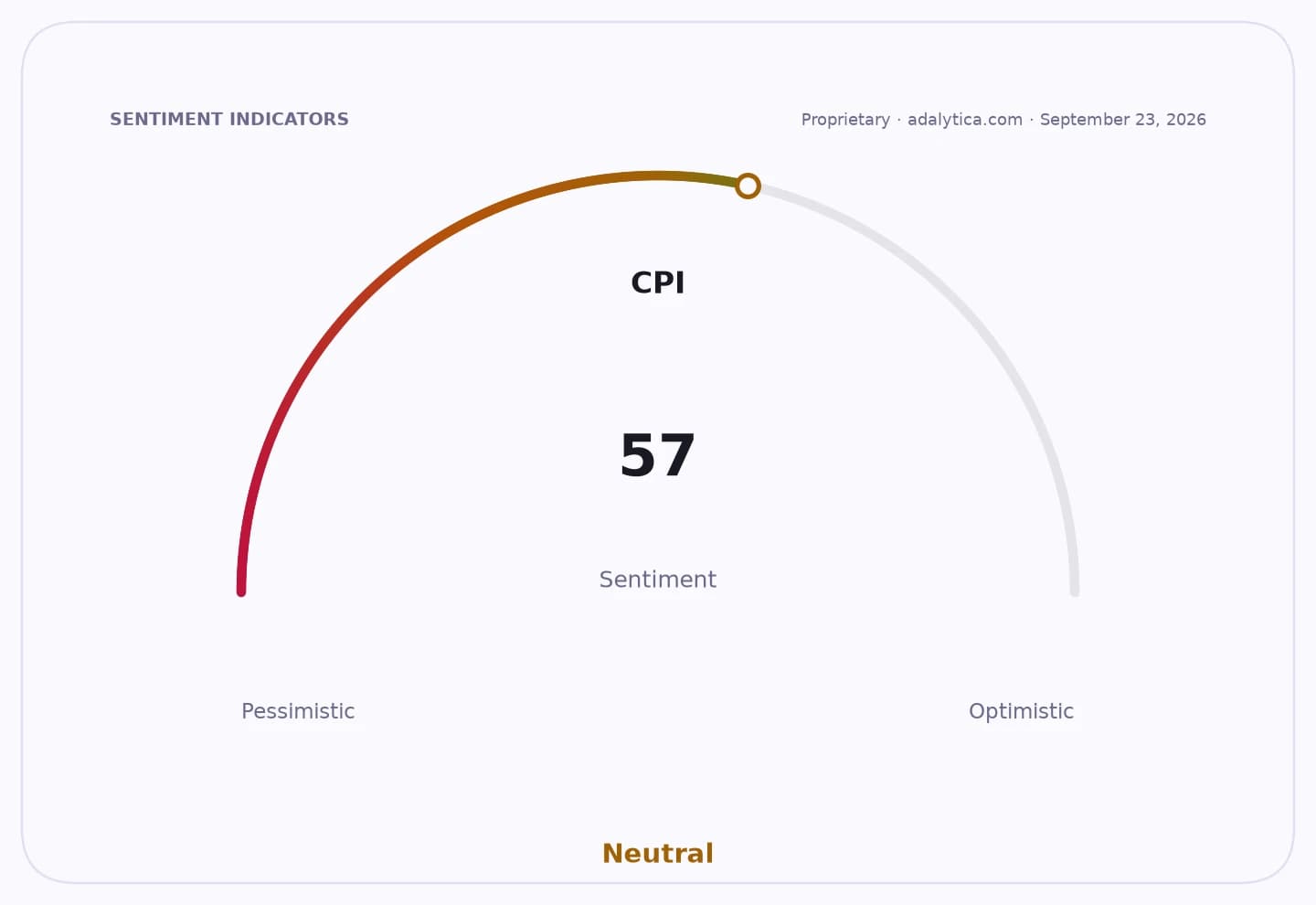
Sentiment IndicatorsⓘProprietary · adalytica.com · September 19, 2026
This is a snapshot — live sentiment, awareness and momentum for 130+ markets update continuously in the dashboard.Open AlphaPulse
That matters because a resilient jobs market gives the Fed more room to stay focused on inflation, including price pressure tied to the Middle East conflict and higher oil costs. The central bank raised its benchmark rate by 25 basis points this week to 3.75%-4.00% and signaled more tightening ahead, betting that layoffs remain contained enough to avoid an immediate rise in unemployment.
The claims report covered the same week employers were surveyed for the September nonfarm payrolls report, making it a useful read-through for the broader labor picture. August payrolls rose 162,000 after growth slowed in the prior three months, while the unemployment rate held at 4.1%, still low by historical standards and supported by limited layoffs and a smaller labor force.
Continuing claims, a proxy for hiring conditions, fell by 39,000 to 1.730 million in the week ended Sept. 5, though economists warned the data were also affected by seasonal adjustment quirks. Pantheon Macroeconomics said the exceptionally low claims figure likely reflects Labor Day distortions, but the underlying trend remains encouraging.
Markets took the report as a mild relief sign. U.S. stocks opened higher, Treasury yields fell and the dollar slipped as investors also welcomed a pullback in oil prices, even though crude remained above $100 a barrel on fears the conflict could widen.
The bigger economic implication is that a steady labor market can keep consumer spending supported, but it also gives policymakers cover to keep financial conditions tight. That is a mixed setup for investors: good for growth-sensitive equities in the short run, but potentially bearish for rate cuts and supportive for Treasury volatility if inflation stays sticky.
Housing is showing more direct strain from the higher-rate environment. Single-family building permits fell 1.8% in August to 878,000 units, while the average 30-year mortgage rate climbed to 6.76%, the highest in more than a year and nearly 80 basis points above levels seen before the Middle East war escalated.
The housing slowdown is showing up across builders and materials suppliers. Residential investment has contracted in five of the last six quarters, and the National Association of Home Builders said sentiment sank to a one-year low as mortgage costs, labor shortages from immigration enforcement and tariffs lifted costs and crimped demand.
That split — steady hiring, softer housing — leaves the Fed with little urgency to ease and keeps pressure on rate-sensitive sectors. For investors, the near-term read is that labor data remain too firm to force a policy shift, even as housing and mortgage-sensitive stocks continue to bear the brunt of tighter financial conditions.
| Entity | Gains | Losses |
|---|---|---|
| Federal Reserve | ▲More cover to keep rates high | ▼Less urgency to cut |
| Workers/consumers | ▲Jobs market stays supportive | ▼Borrowing costs remain elevated |
| Homebuilders | ▲Some single-family starts hold up | ▼Permits, demand and sentiment soften |
| Mortgage-sensitive stocks | ▲None | ▼Higher rates and weaker housing demand |