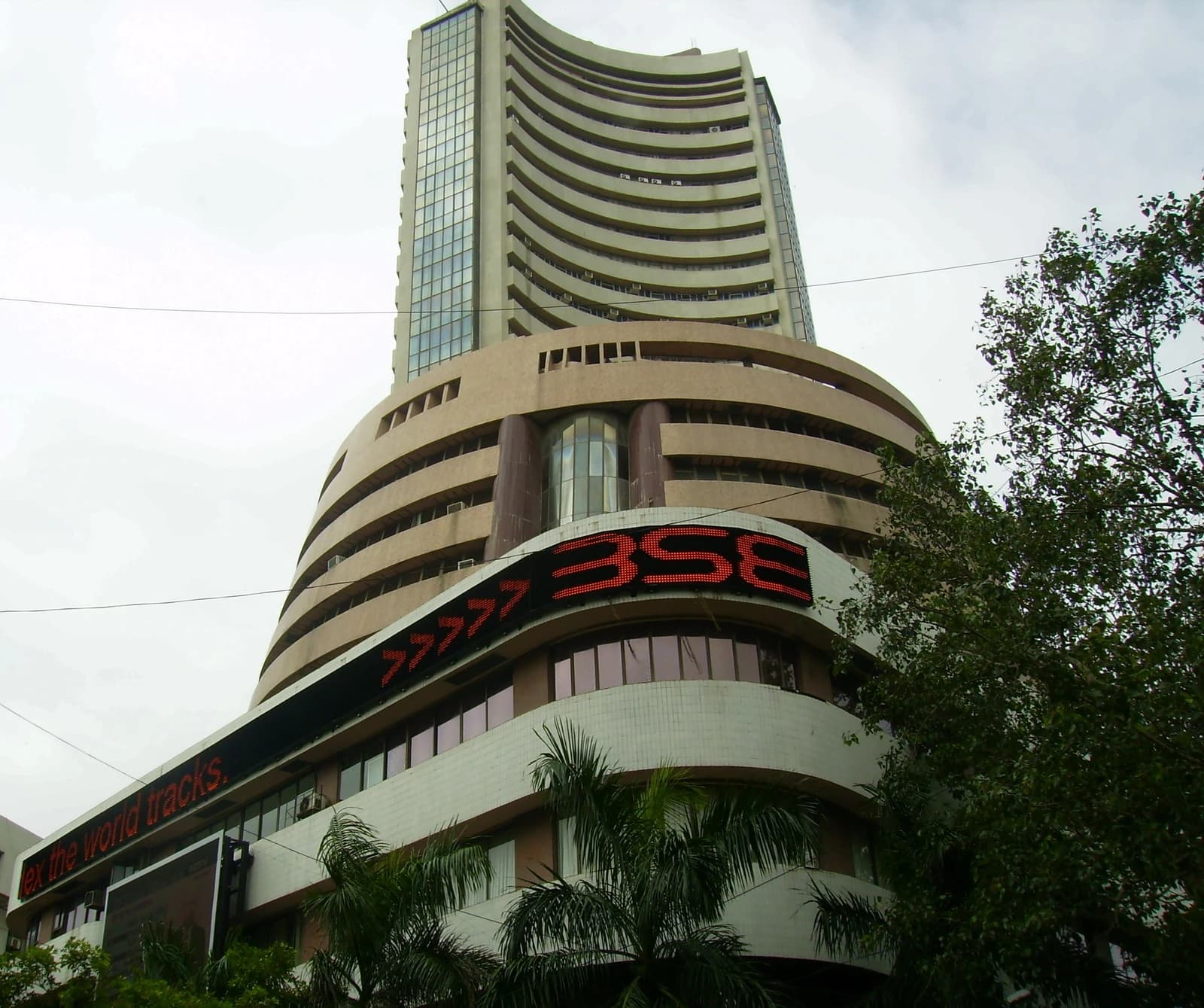
The Nigerian government raised N6.69 billion from its September savings bond sale, underscoring continued demand from domestic investors for short-dated, naira-denominated debt even as yields remain elevated.
Nigeria raises N6.69 billion in savings bonds

The Debt Management Office sold N1.282 billion of the two-year September 2028 bond at an annual coupon of 14.12% and N5.408 billion of the three-year September 2029 note at 15.12%, with the longer tenor again attracting the bulk of subscriptions. The offer drew 1,690 bids for the two-year paper and 3,209 for the three-year instrument, reinforcing the preference for higher returns and a modest term premium in a market where inflation and funding costs remain high by historical standards.
Sentiment IndicatorsⓘProprietary · adalytica.com · September 30, 2026
This is a snapshot — live sentiment, awareness and momentum for 130+ markets update continuously in the dashboard.Open AlphaPulse
The latest sale brings total proceeds from the Federal Government of Nigeria Savings Bond to about N40.5 billion in the first nine months of 2026, according to DMO figures. That is a meaningful funding stream, but still small relative to the government’s broader domestic borrowing needs, meaning the retail programme is more useful as a diversification tool than as a primary source of financing. For Abuja, the bond programme helps broaden the investor base beyond banks and institutional buyers and gives the state access to relatively stable local funding without leaning entirely on short-term treasury issuance.
For investors, the numbers point to a market still anchored by income-seeking local buyers who are willing to lock in double-digit coupons when policy rates and money-market returns stay high. The three-year paper taking most of the allocation suggests households and smaller investors see value in slightly longer duration, but the gap between the two bonds also shows demand is still sensitive to yield. That matters because persistent take-up at these levels can help the government refinance domestically, while also signalling that high nominal rates continue to feed the sovereign’s interest bill.
The broader backdrop is a global rates environment that remains relatively tight, even as US Treasury yields and policy-rate expectations shift around Federal Reserve easing prospects. In Nigeria, the savings bond outcome is less about global duration trends than about local inflation, naira liquidity and the government’s need to keep tapping domestic markets without crowding out other borrowers. If demand stays resilient, the DMO may continue to use the retail channel as a steady, if limited, funding source. If it weakens, borrowing costs could rise further across the domestic curve.
| Entity | Gains | Losses |
|---|---|---|
| Federal Government of Nigeria | ▲Low-cost retail funding | ▼Higher debt-service burden |
| Retail investors | ▲Double-digit coupon income | ▼Inflation erosion risk |
| DMO | ▲Diversified investor base | ▼Limited scale of proceeds |
| Banks and institutional buyers | ▲Less crowding in retail tranche | ▼Competing sovereign supply |