Morocco’s Treasury sold only 850 million dirhams of debt in its latest auction, a cautious take-up that shows the government is choosing to protect its borrowing costs rather than chase a bigger haul from the market.
Morocco Treasury Sells 850 Million Dirhams in Auction
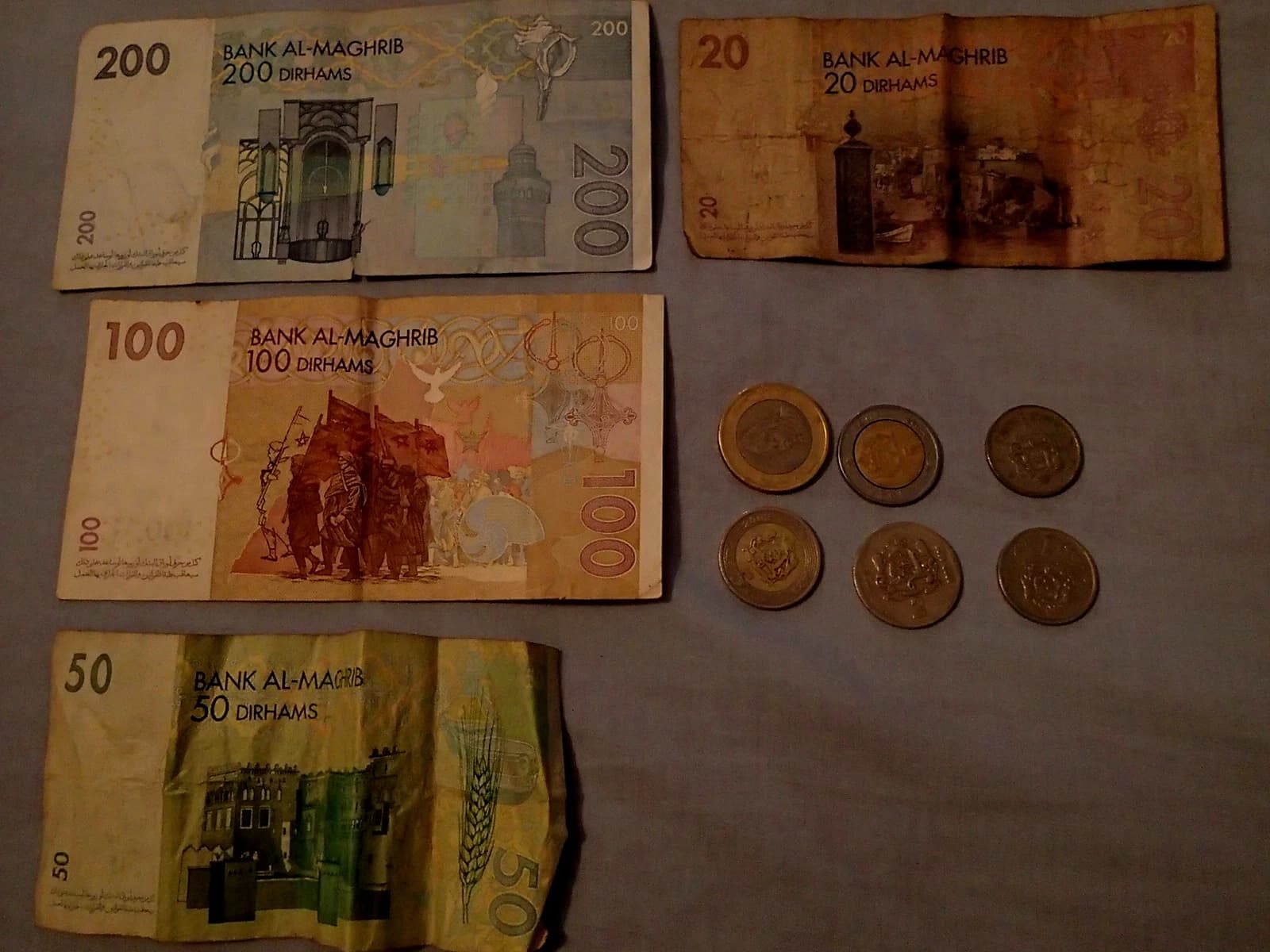
That matters because sovereign funding is one of the clearest windows into how expensive money is becoming for an economy. When a Treasury accepts just 16% of bids, as it did on Wednesday, it is effectively telling investors that the price they want is too high. For long-term investors, that is a useful sign that the state is not surrendering discipline just to meet a funding target, even if it leaves some money on the table in the short run.
Sentiment IndicatorsⓘProprietary · adalytica.com · October 4, 2026
This is a snapshot — live sentiment, awareness and momentum for 130+ markets update continuously in the dashboard.Open AlphaPulse
The auction drew 5.28 billion dirhams of demand, but the Treasury kept only one line: the 52-week note, with 850 million dirhams accepted. Nothing was sold on the 13-week bill or the two-year bond. On the accepted line, bids ranged from 2.32% to 2.52%, while the weighted average settled at 2.3348%, about 8 basis points above the primary market reference rate for that maturity. In other words, the state was willing to pay a little more, but not enough to validate the higher yields investors were asking on the rest of the curve.
The message is even clearer when you look at the rest of September. The Treasury raised 8.465 billion dirhams across four sessions, below the month’s maximum borrowing need of 11 billion dirhams, but still enough to cover September’s capital repayments. That means the government is not under immediate funding stress. It has room to be selective, and that selectivity helps keep issuance costs from drifting higher than necessary.
For bond investors, the important takeaway is that Morocco’s curve is behaving in a disciplined, almost immobile way. The 52-week yield has edged up only modestly this year, while the bigger moves have come at the five- and 10-year tenors. The two-year point has actually eased. That split tells you investors are still willing to finance the sovereign, but only when compensation matches their view of risk and duration.
This is exactly the kind of backdrop that long-term investors should watch. A government that can fund itself without flooding the market is usually better positioned to manage debt sustainability, and a stable primary market reduces the chance of disorderly moves in domestic rates. It also helps local banks and institutional buyers, which often hold government paper as a core asset.
The flip side is that a higher-cost environment can still filter through to the broader economy if the Treasury keeps meeting resistance at longer tenors. For now, though, the story is not one of stress. It is one of restraint: the Treasury is showing it can say no, and investors are showing they can wait.
For patient investors, that discipline is worth watching. It suggests Morocco’s sovereign market remains functional, selective and anchored enough to support a longer-term allocation thesis, even if near-term borrowing appetite stays cautious.
| Entity | Gains | Losses |
|---|---|---|
| Morocco Treasury | ▲Lower funding costs | ▼Faster borrowing pace |
| Domestic bond investors | ▲Clear pricing discipline | ▼Bigger allocations |
| Banks and local institutions | ▲Stable sovereign benchmark | ▼Higher short-term issuance supply |
| Yield seekers | ▲Select opportunities at higher rates | ▼Broad auction acceptance |