Anyone in the UK sitting on cash in a bank account is being urged to move it now, as more than 250 savings accounts pay 5% or more while inflation and an April tax change threaten to erode returns.
UK savers urged to move cash into higher-rate accounts
The shift matters because the headline rate on cash is only part of the picture. With CPI inflation at 3.6%, savers on the average new savings rate of 3.85% are barely ahead in real terms, and those earning 2% are losing about £160 a year in purchasing power on £10,000. Even the top one-year fixed rate of 5.21% and the best easy-access deal at 4.89% can be whittled down once tax is applied.
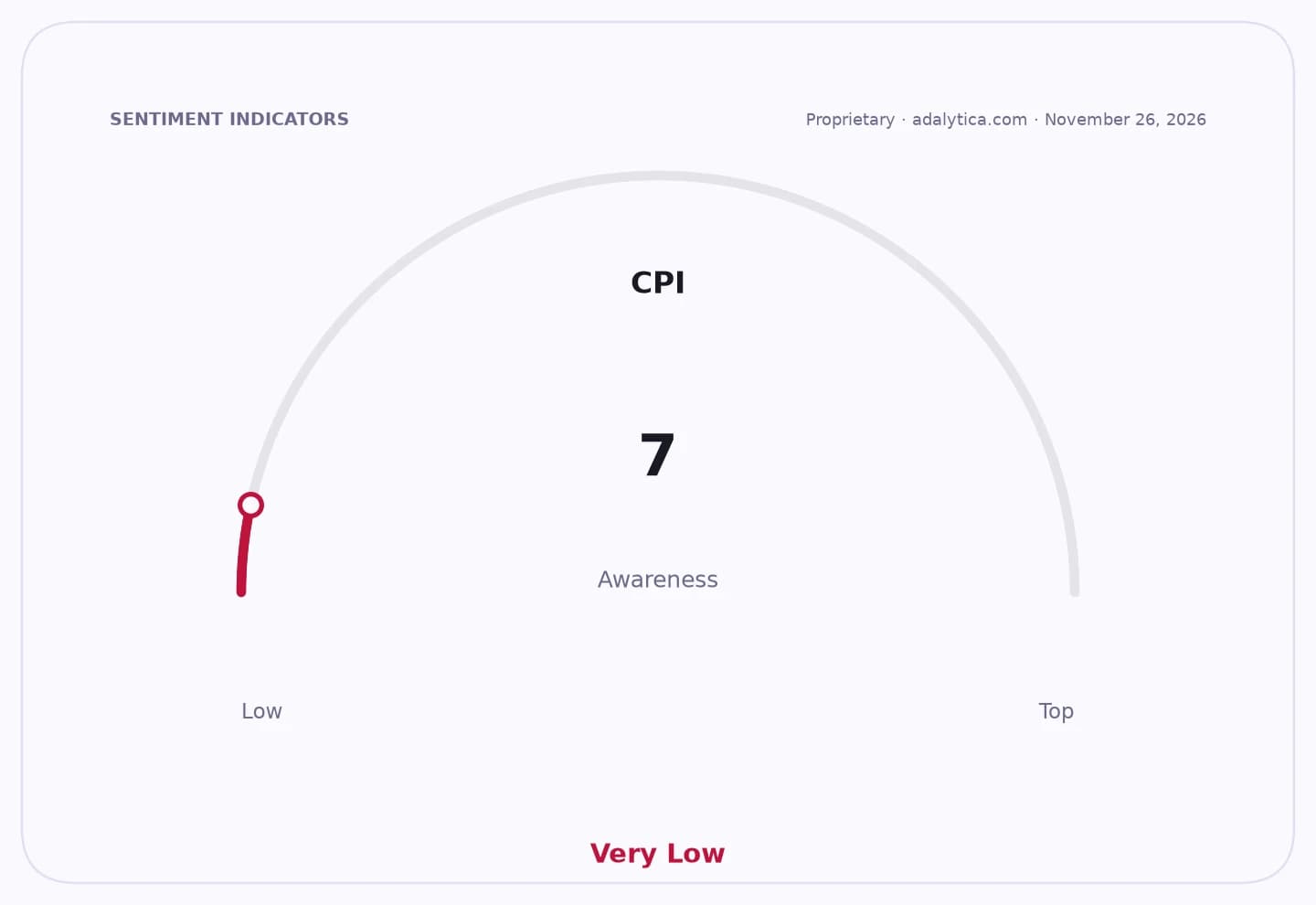
Sentiment Indicators
The warning comes as Britain’s savings market has become more competitive, with the number of accounts paying at least 5% rising from just one a year ago, according to Moneyfactscompare.co.uk. But advisers say those rates may not last long, and the real issue for many households is what they keep after inflation and tax.
That tax squeeze intensifies from April 2027, when higher-rate taxpayers will pay 44% on savings income above their £500 personal savings allowance. On £20,000 earning £1,000 in interest, that could mean roughly £220 in tax, while a 5% account could leave a higher-rate saver with about 2.8% after tax — below current inflation.
For investors, the message is that cash is becoming a less effective place to park money unless it is needed soon. Financial planners said emergency funds still belong in easy-access accounts, but money not required for a year or more may be better suited to fixed-rate deposits, cash ISAs or, for longer horizons, investment products that can outpace inflation.
The backdrop is a UK economy still wrestling with stubborn price pressure, even as savings competition improves. That should keep pressure on banks to hold or sharpen deposit offers, while nudging savers toward faster action ahead of the tax change and limiting the appeal of leaving money in low-paying legacy accounts.
| Entity | Gains | Losses |
|---|---|---|
| Savers in top accounts | ▲Higher cash returns | ▼Inflation erodes value |
| Banks offering 5% deals | ▲More deposits | ▼Margin pressure |
| Higher-rate taxpayers | ▲Access to cash options | ▼44% tax on interest |
| Cash ISA holders | ▲Tax shelter | ▼Lower flexibility than some cash accounts |