Holding too much cash is becoming the real risk for households and investors, because inflation and higher borrowing costs can quietly erode purchasing power even when bank balances look safe on paper.
Cash Risk Rises as Inflation Erodes Savings

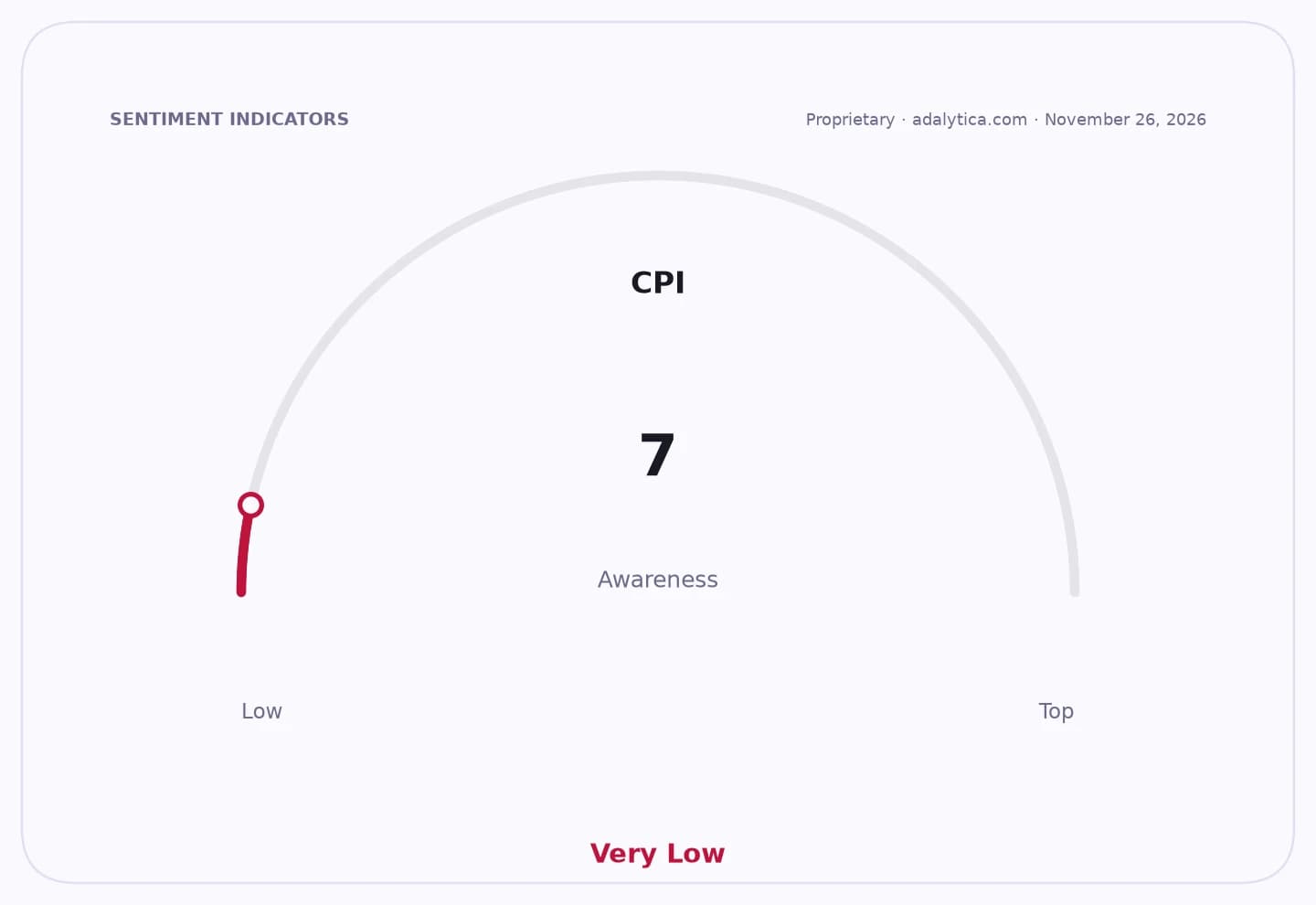
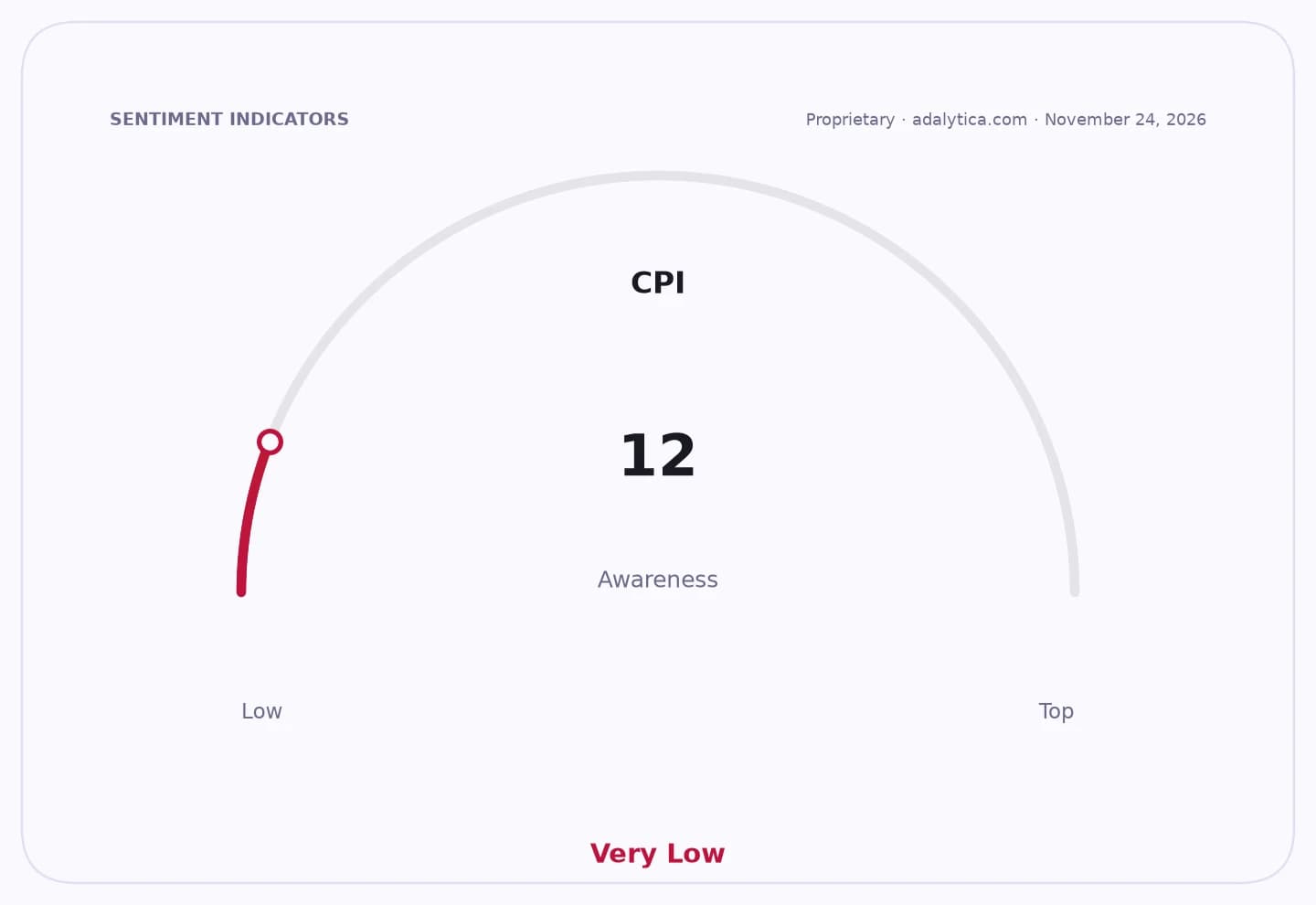
That is the core message from personal finance adviser Eduard Conti, whose warning lands at a moment when the economic backdrop still argues against doing nothing. U.S. consumer prices remain elevated, with the latest CPI reading at 337.476, up from 237.336 in 2016, while the Federal Reserve’s policy rate stands at 3.88% and the 10-year Treasury yield is still above 4.9%. In other words, cash is no longer a free option. It may feel prudent to leave money untouched, but over time inflation can turn that caution into a guaranteed loss of buying power.
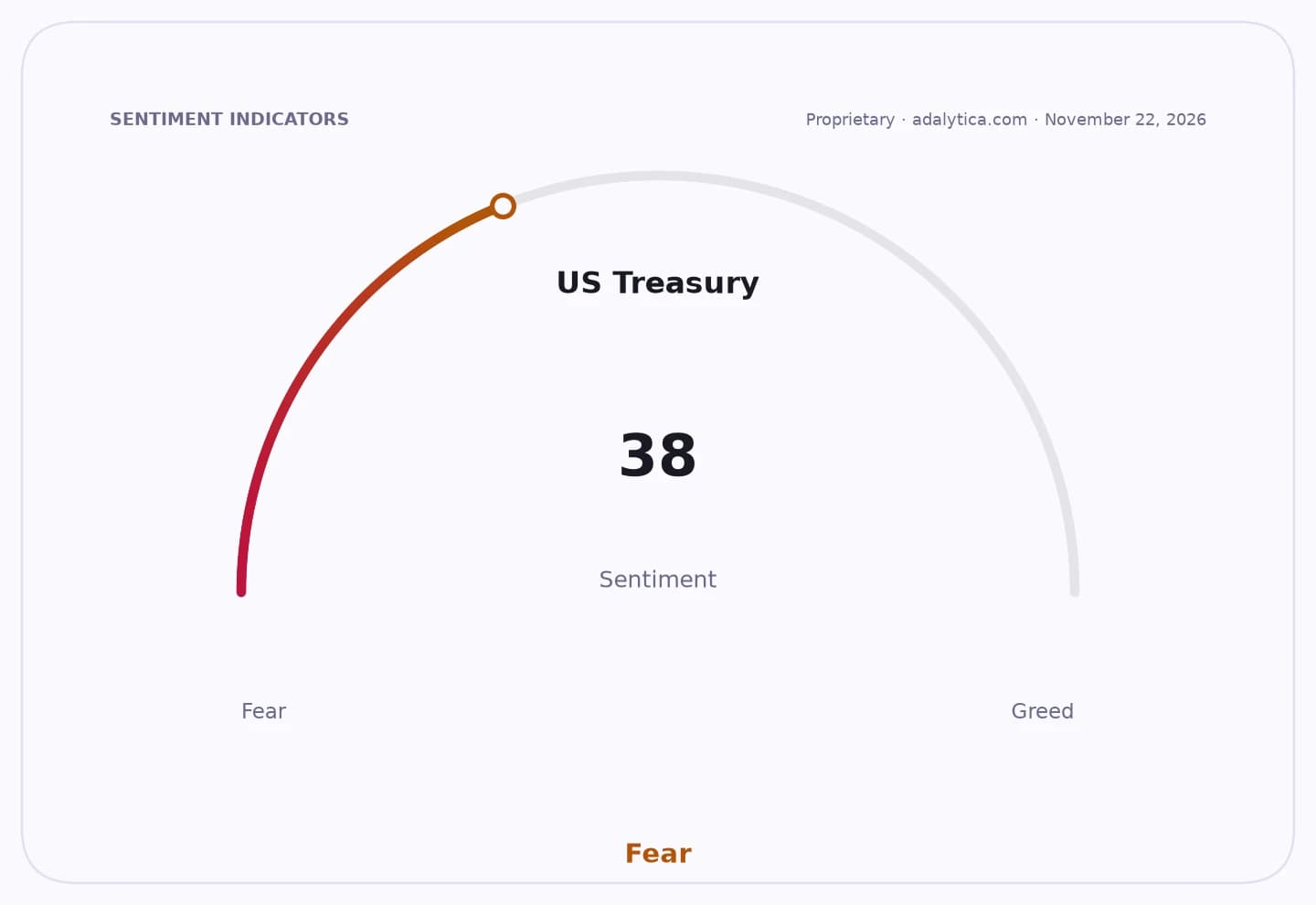
Sentiment Indicators

For investors, that matters because the instinct to wait can become an expensive habit. Conti points to people who have significant savings yet still postpone trips, upgrades or long-term plans out of fear of making the wrong move. His broader point is that money sitting idle is not the same as money protected. If cash earns less than inflation after taxes, it is shrinking in real terms. That is why the more dangerous mistake is often inaction, not reasonable spending or diversified investing.
Market signals back up that argument. The S&P 500, tracked through the SPY ETF, has dropped sharply from its recent highs, with the fund closing at 689.81 after trading as high as 766.81 earlier in November. At the same time, the 50-day moving average remains well above the 200-day moving average, a reminder that long-term trends can stay intact even during painful pullbacks. For patient investors, weakness like this is less a reason to freeze than a reason to revisit asset allocation and time horizon.
CPIAUCSL vs FEDFUNDS — macro contextadalytica.com
Explore this data interactively — full history, time series and cross-market comparisons.
US Dollar
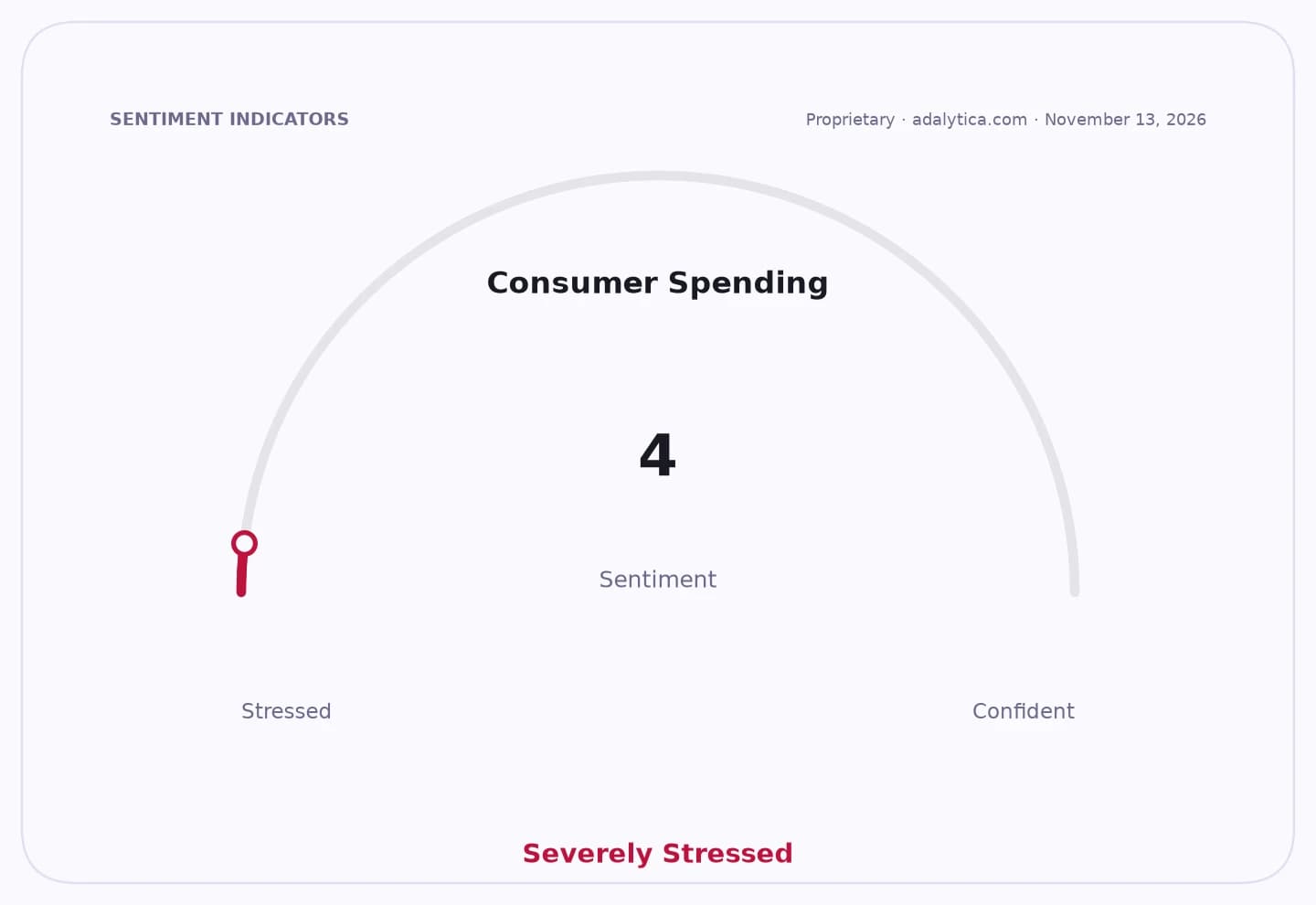
There is also a psychological lesson here. Behavioral finance has long shown that losses feel more painful than gains feel rewarding, which is why savers often overestimate the safety of cash and underestimate the risk of standing still. That fear can be especially costly in inflationary periods, when cash, bonds and even consumer budgets are all being squeezed in different ways. Recent Adalytica data also show extreme fear in U.S. dollar trade signals, while consumer confidence and retail spending sentiment remain fragile, suggesting households are still uneasy about the outlook.
The smarter response is not reckless spending, but planning. Conti’s advice to review income, expenses, debt, investments and goals is exactly how long-term investors should think: build a cash cushion, then put the rest to work in assets that can compound over years, not months. For most people, that means diversification, patience and a willingness to own productive assets instead of hoarding idle money.
In a world where inflation can quietly tax inactivity, the best defense is not paralysis. It is a plan. Investors should treat cash as a tool, not a destination, and consider whether some of their savings would be better deployed in a balanced, long-term portfolio.
| Entity | Gains | Losses |
|---|---|---|
| Diversified investors | ▲Long-term compounding | ▼Idle cash erosion |
| Cash savers | ▲Short-term flexibility | ▼Purchasing power |
| Businesses with pricing power | ▲Better real returns | ▼Rate-sensitive margins |
| Inflation | ▲None | ▼Savers’ real wealth |