A household spending Rs 1 lakh a month today could need roughly Rs 1.4 lakh after 10 years and about Rs 1.9 lakh after 20 years if inflation keeps running near recent U.S. levels, underscoring how quickly everyday budgets get eroded by prices.
U.S. Inflation, Rupee Weakness Raise Budget Pressure
CPI
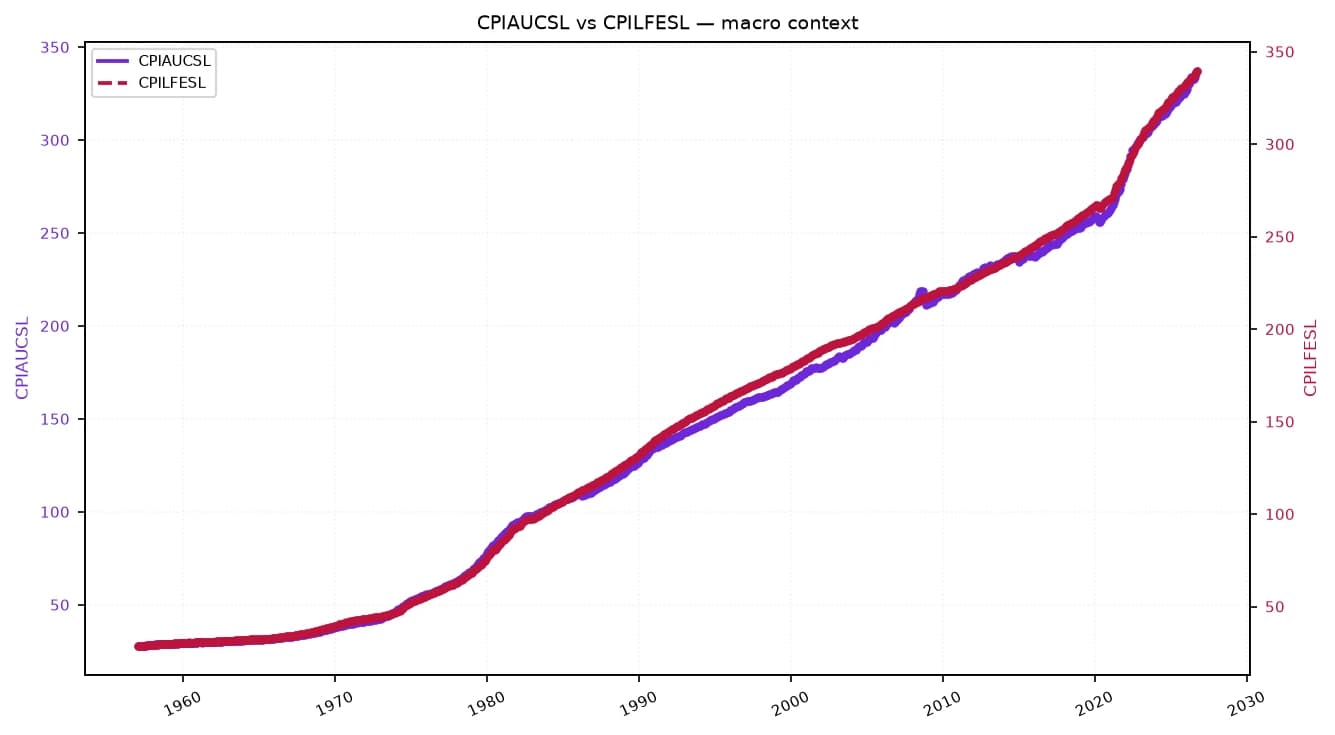
That math is why inflation matters beyond the monthly grocery bill: it steadily raises the income, savings and investment returns needed to preserve living standards. Recent U.S. consumer prices show the headline CPI at 337.476 in October, up from 333.979 in May, while the core CPI, which strips out food and energy, climbed to 339.9, indicating persistent underlying price pressure.
Sentiment Indicators
For investors, the bigger issue is not just higher costs but the return hurdle inflation creates. If prices keep advancing at even 3% to 4% a year, cash loses purchasing power, bond yields have to stay elevated to remain attractive and long-duration assets face pressure as financing costs stay sticky. The 10-year U.S. Treasury yield, recently around 4.91%, reflects that reality and helps explain why market participants continue to demand compensation for holding nominal assets.
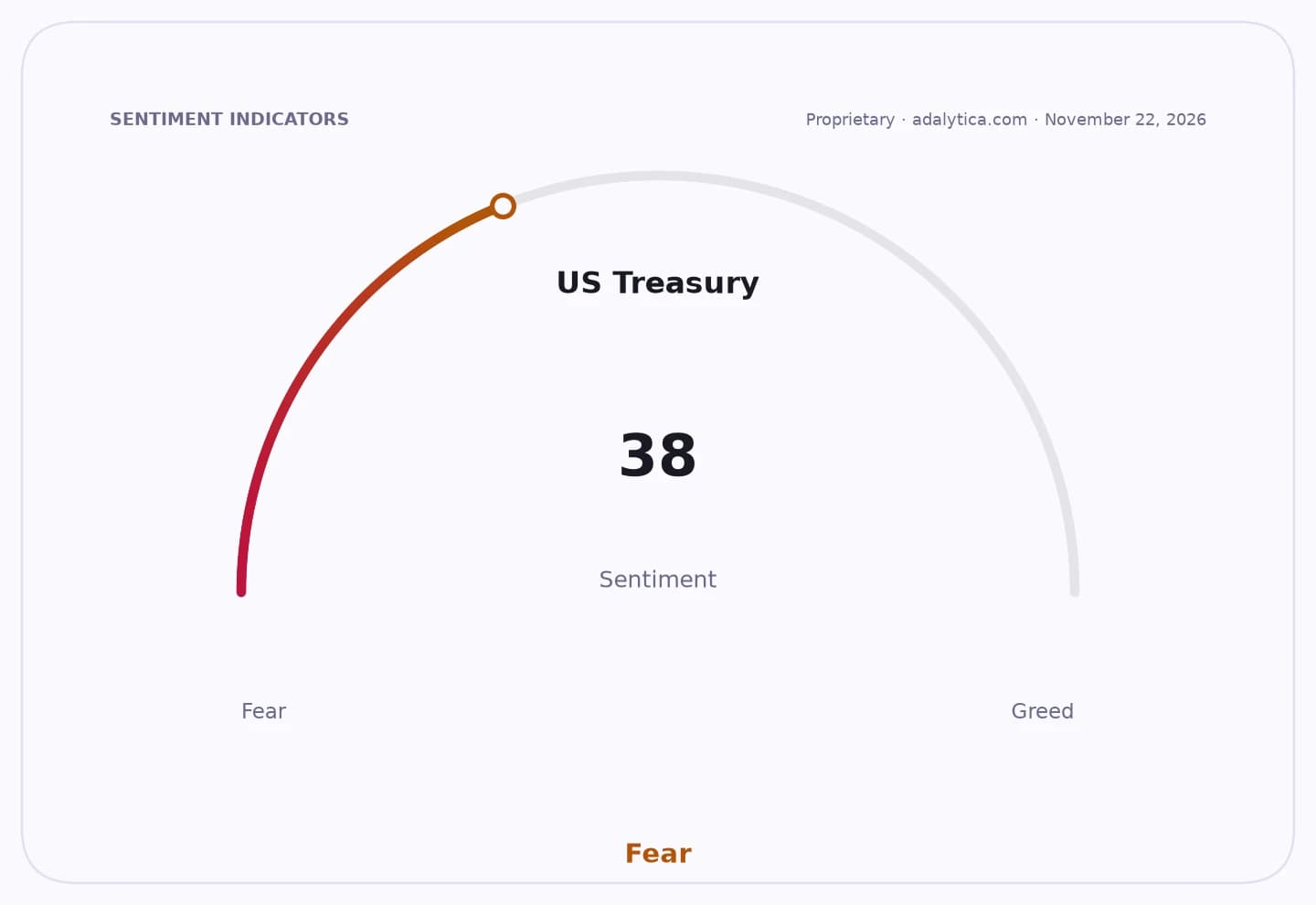
Inflation expectations are not fully anchored either. Adalytica’s confidence in the Fed’s 2% target and long-term inflation expectations both sit at neutral readings of 43, with awareness at an “extreme fear” level of 14, suggesting households and markets remain uneasy even as headline sentiment improves. The rupee has also weakened, with INR=X slipping to 92.67 per dollar, adding another layer of imported inflation for Indian consumers and raising the cost of foreign goods and travel.
CPIAUCSL vs CPILFESL — macro contextadalytica.com
Explore this data interactively — full history, time series and cross-market comparisons.
The investment takeaway is simple: budgeting has to be done in future rupees, not today’s. For savers, the winners are assets that can compound above inflation — equities, inflation-linked securities and productive businesses with pricing power — while cash hoards, fixed pensions and low-yield deposits are the clear losers if price gains remain sticky into 2027.
| Entity | Gains | Losses |
|---|---|---|
| Equity investors | ▲Inflation-beating compounding | ▼Cash drag |
| Bondholders | ▲Higher starting yields | ▼Price risk if yields stay high |
| Households on fixed budgets | ▲Inflation hedges | ▼Real purchasing power |
| Import-dependent consumers | ▲— | ▼Weaker rupee, higher costs |