Chicago Fed President Austan Goolsbee said inflation is moving in the “wrong way,” reinforcing investor fears that the Federal Reserve will have to keep policy tight for longer even as growth cools.
Chicago Fed Goolsbee Warns Inflation Moving Higher
His warning matters because sticky prices, not just strong growth, are the biggest obstacle to rate cuts. If inflation stops easing or turns higher again, the Fed’s room to lower borrowing costs shrinks, keeping pressure on everything from mortgage rates to corporate financing costs and equity valuations.
Sentiment Indicators
The message lands at a sensitive moment for markets. The S&P 500 ETF SPY has dropped to $689.81 from $766.81 earlier in November, while the iShares 20+ Year Treasury Bond ETF TLT climbed to $81.45 as traders positioned for slower growth and shifting rate expectations. But long-duration bonds remain vulnerable if policymakers conclude inflation is reaccelerating rather than settling back toward target.
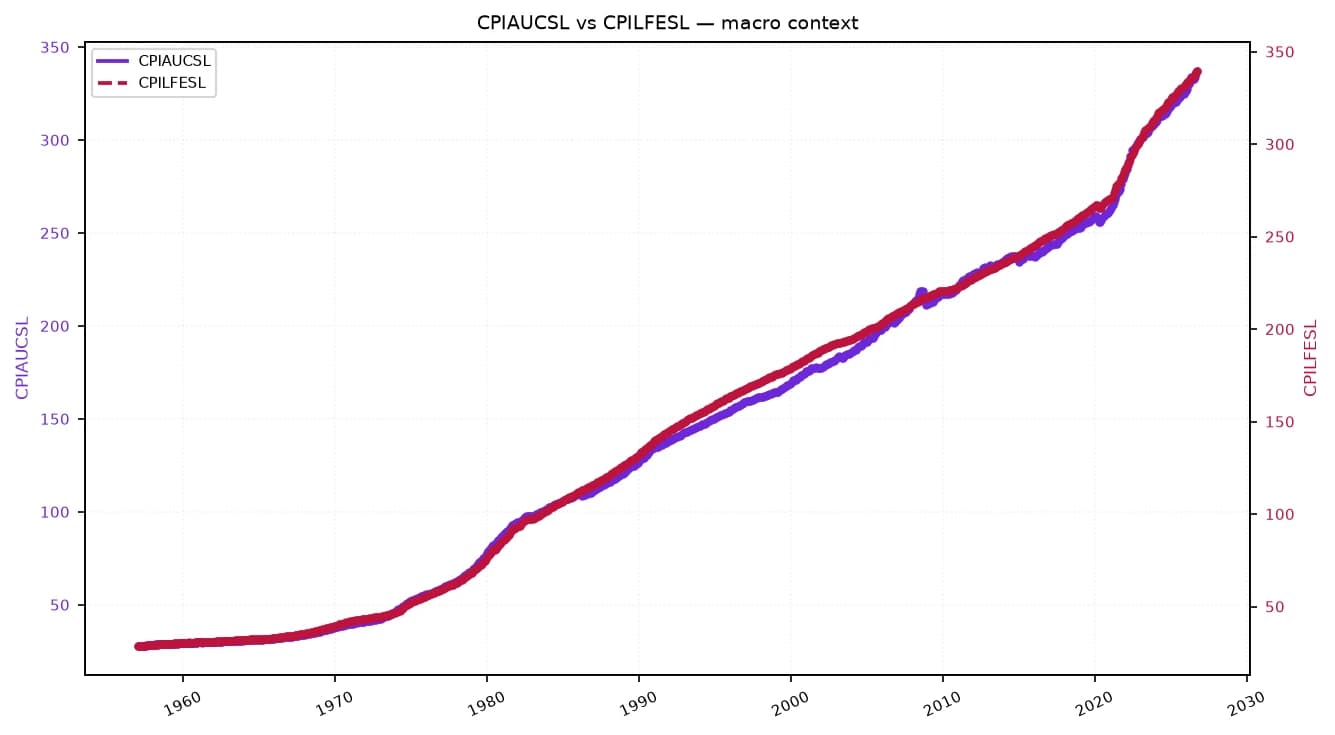
The latest data do not offer much comfort. The consumer price index is forecast at 338.6475 for November, up 0.35% from the prior month, while core CPI is seen rising 0.27% to 340.8161. The federal funds rate is already at 3.88%, and markets are now focused on whether the Fed keeps it elevated into 2027 instead of beginning a steady easing cycle.
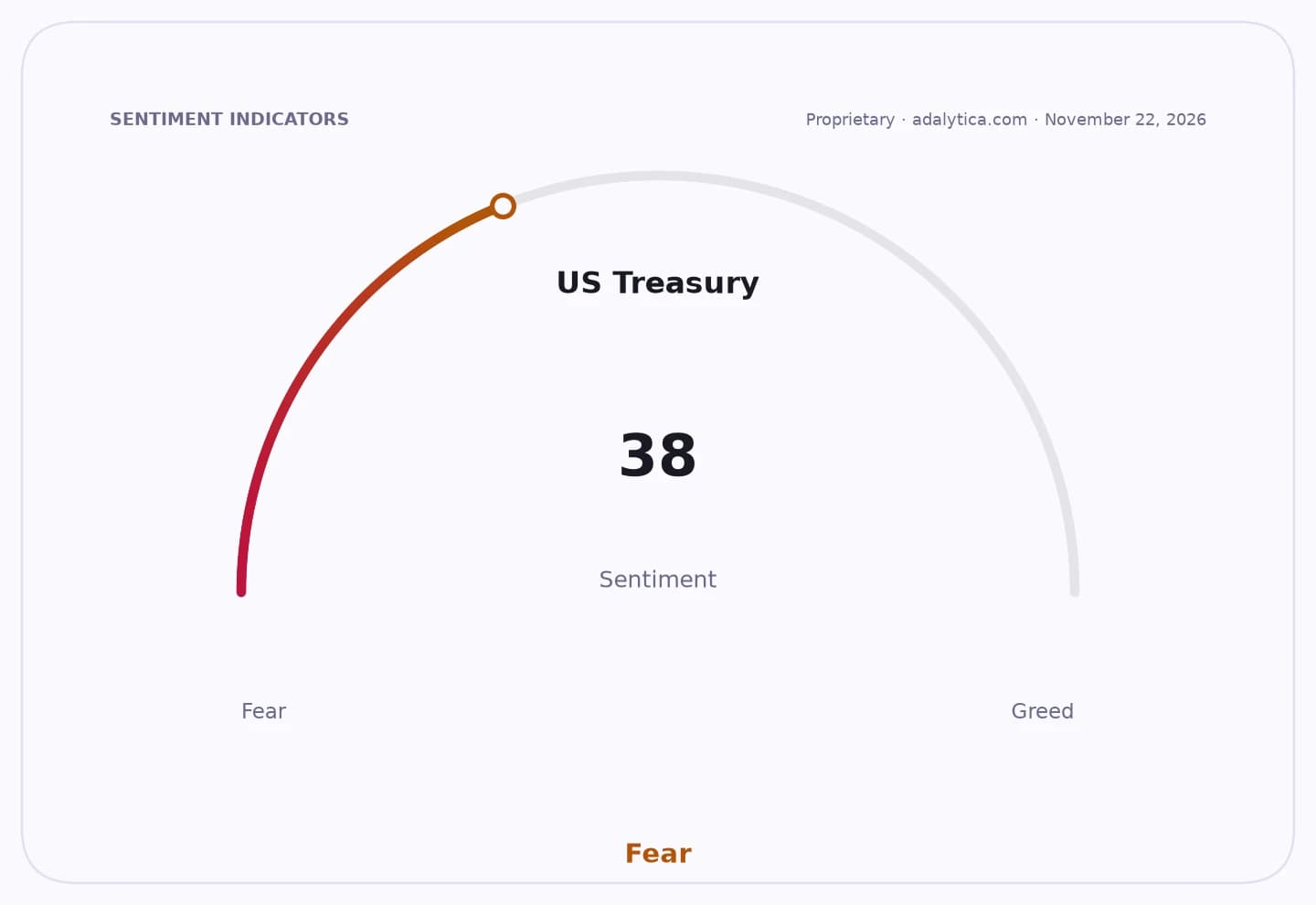
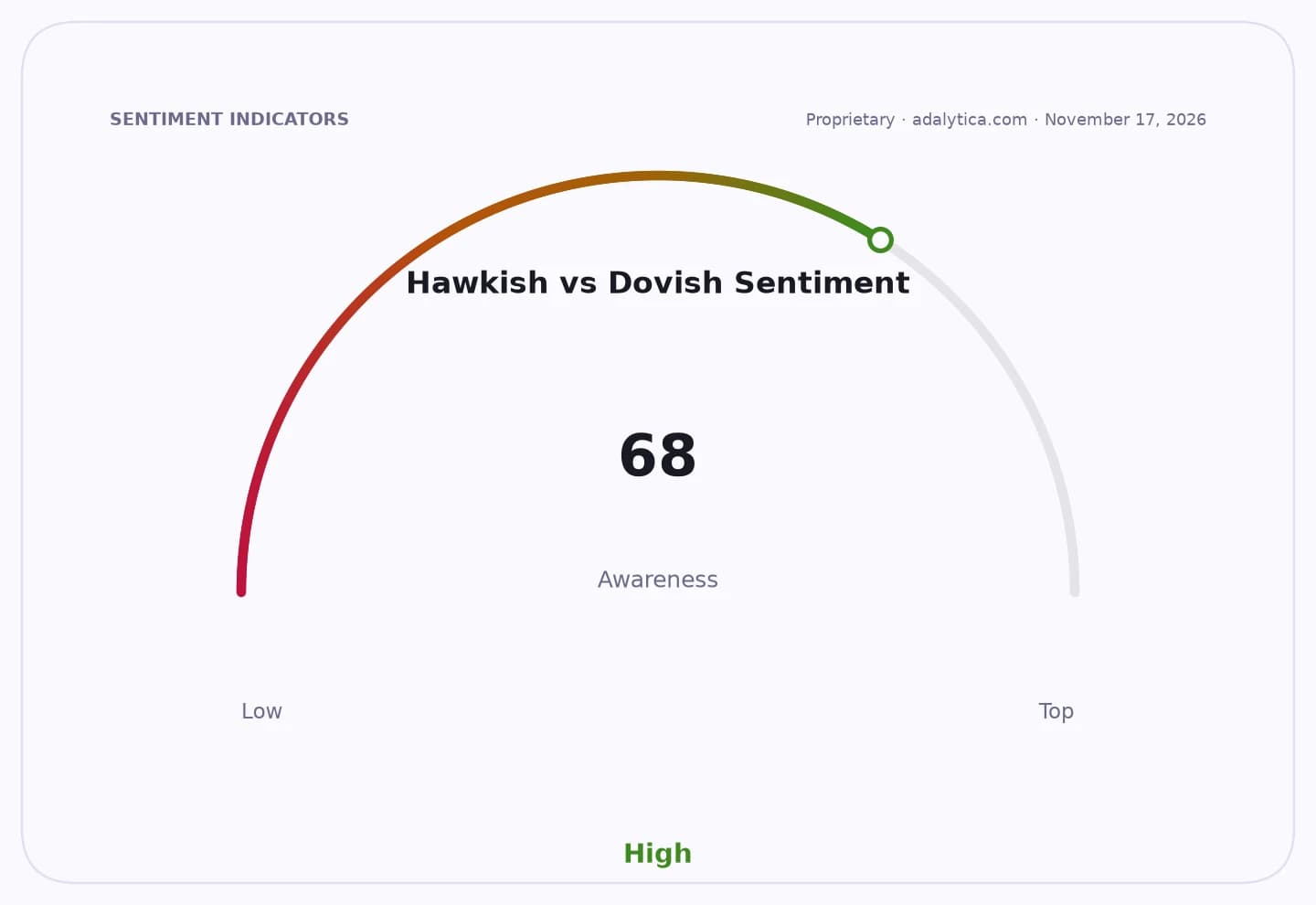
Adalytica’s Fed rate-decision expectations gauge shows sentiment at 57, up 18 points in a day, but its forward-guidance measure sits in “fear” at 18 with “extreme fear” awareness at 14, underscoring how little conviction there is around the policy path. That uncertainty tends to favor short-duration cash and high-quality bonds over rate-sensitive sectors like housing, small caps and long-duration growth stocks.
For investors, the key risk is that the Fed keeps emphasizing inflation persistence even as the labor market and demand soften. The next inflation prints and any further remarks from Fed officials will decide whether this is a brief policy scare or the start of a longer stretch of restrictive rates.
| Entity | Gains | Losses |
|---|---|---|
| Fed hawks | ▲More reason to keep rates high | ▼Easier case for cuts |
| Bond investors in short duration | ▲Higher carry, less rate risk | ▼Less upside from easing |
| Long-duration stocks | ▲— | ▼Higher discount-rate pressure |
| Borrowers/homebuyers | ▲— | ▼More expensive financing |