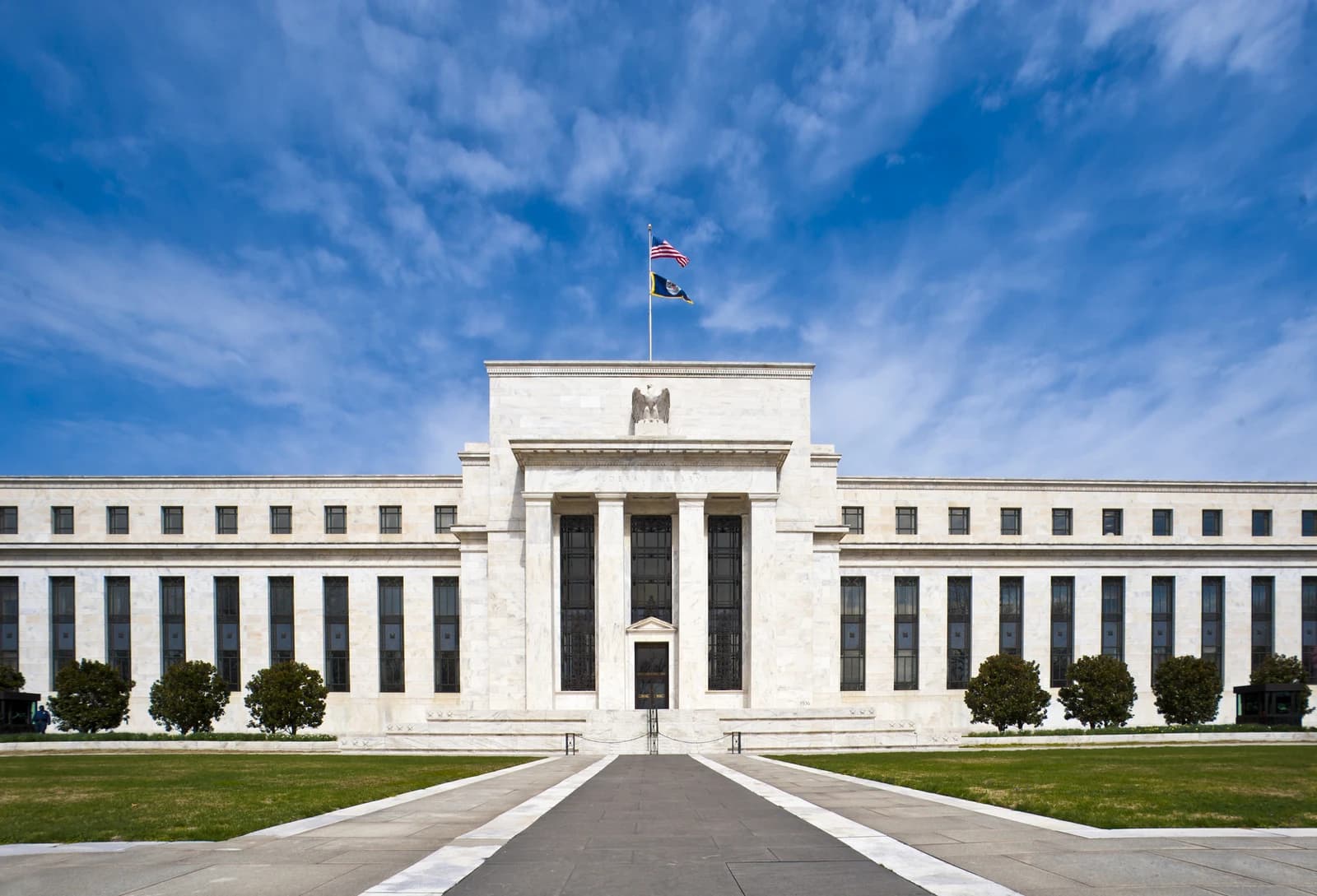
Global inflation is forcing the world’s major central banks back into tightening mode, and the Federal Reserve now looks positioned to be the most aggressive of the lot.
Fed, UK and Japan Tightening Pressure Bonds
That matters because higher-for-longer rates would keep financial conditions tight just as growth is already fragile, lifting borrowing costs for households and companies while reinforcing a stronger dollar and pressuring risk assets. In other words, this is not just a policy story — it is a repricing of capital across the global economy.
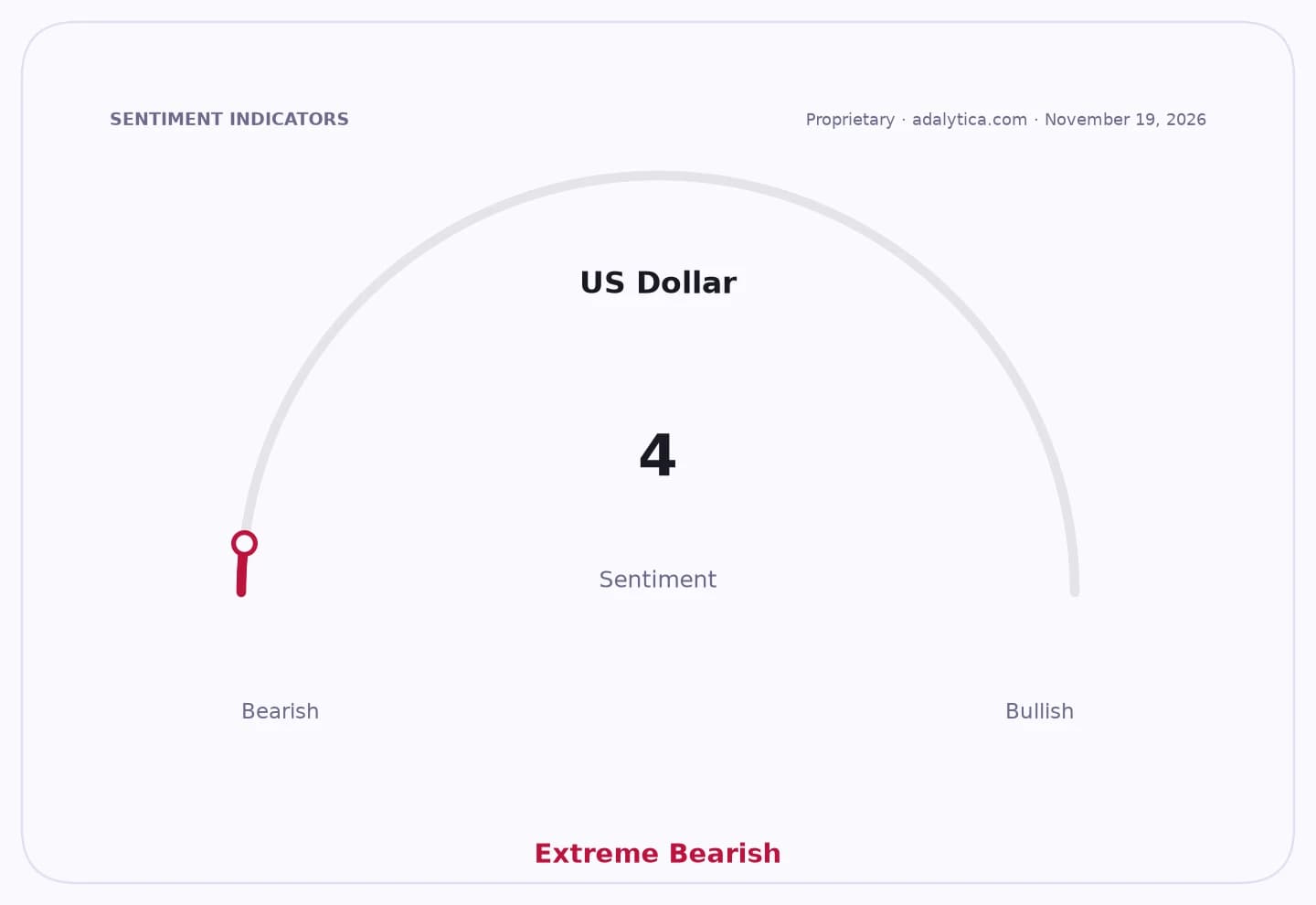
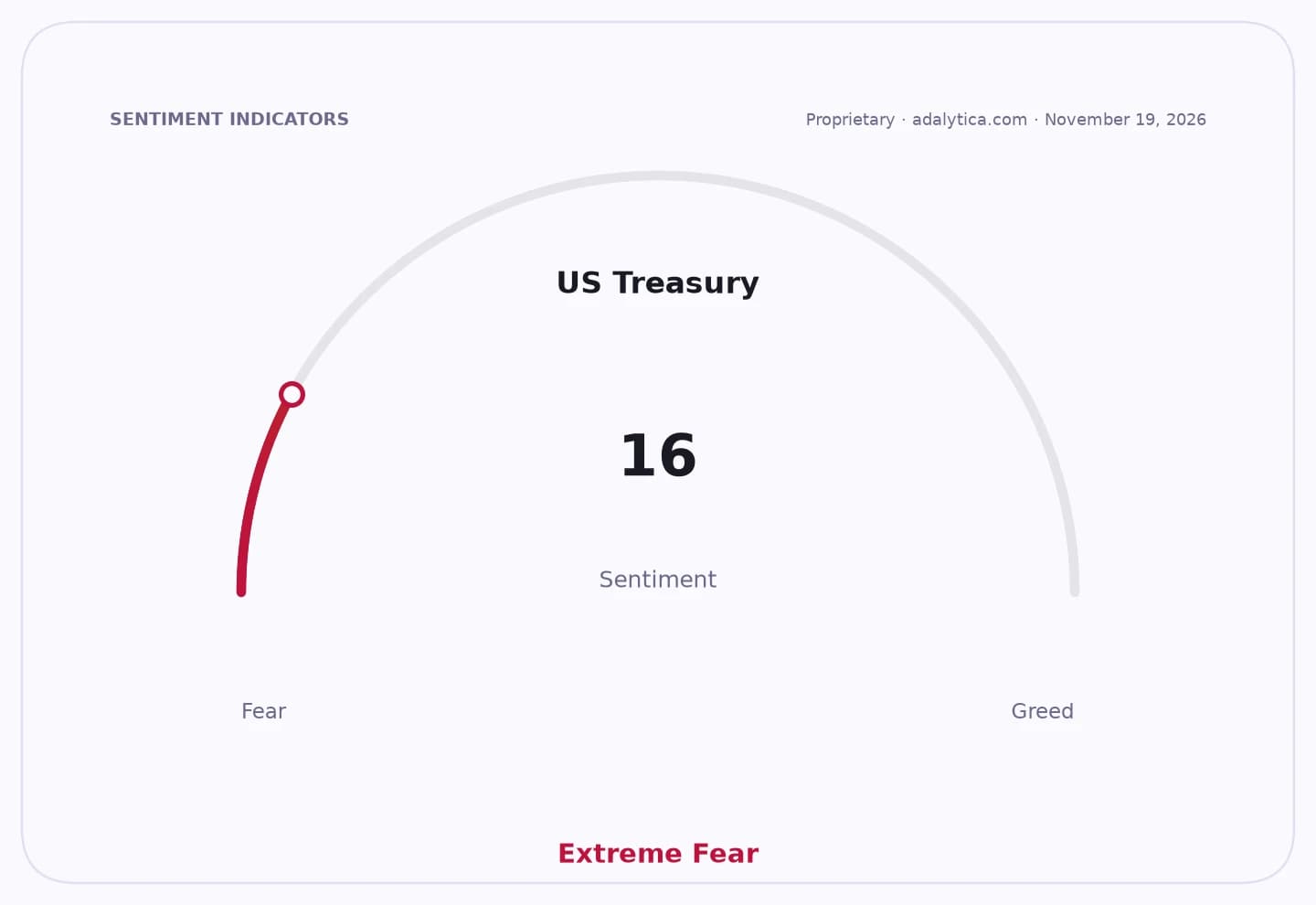
Sentiment Indicators
The immediate catalyst is a renewed inflation pulse in the U.S. and the U.K. UK inflation has climbed to 3.6%, a year high, keeping alive the case for another Bank of England hike. In the U.S., consumer prices have run hot enough to push Treasury yields and the dollar higher, with markets increasingly pricing a December Fed move and the possibility of more than one hike if inflation stays sticky. In Japan, Governor Kazuo Ueda has also signaled more tightening may be needed to reach the 2% target, a reminder that the era of synchronized ultra-easy money is over.
Bond markets are already voting on that shift. The 10-year Treasury yield has climbed to about 5.1%, a level that would have been unthinkable for much of the post-crisis era and one that tightens conditions whether the Fed wants it or not. The U.S. dollar ETF UUP is trading near 29.6, with technical gauges showing momentum still firm. By contrast, the long-duration bond ETF TLT has only recently stabilized after a bruising stretch, and its recovery looks tentative rather than decisive.
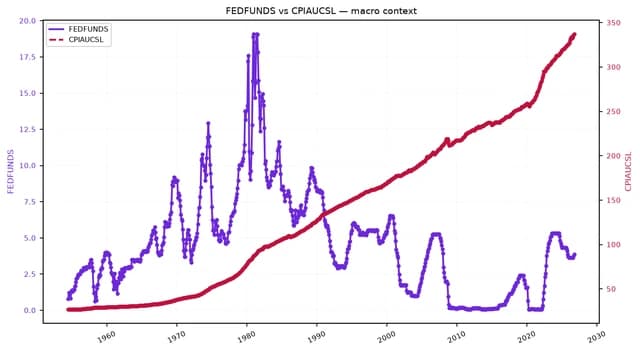
Investors should read this as a rotation signal, not just a rates headline. A stronger dollar and higher policy rates tend to favor U.S. financials with asset-sensitive balance sheets, while punishing long-duration assets, leveraged balance sheets and rate-sensitive growth stocks. That’s why bank earnings continue to emphasize net interest income and interest-rate risk management: higher rates can widen spreads for lenders even as they squeeze borrowers and slow loan demand. JPMorgan, Citi and Bank of America all have been preparing for a more volatile rate environment, and that preparation is paying off in the form of stronger interest income.
The bigger narrative is that the market is underestimating how long central banks may need to stay restrictive. After years of inflation surprises, policymakers are no longer defending growth at any cost; they are defending credibility. If inflation remains above target into year-end, the Fed could move faster and hold rates higher than traders expect, keeping the dollar bid and leaving bonds vulnerable.
For investors, the asymmetric opportunity is in owning the winners from persistent tight money — quality financials, cash-rich companies, and businesses tied to pricing power — while staying cautious on rate-sensitive duration. The next move in rates is not just about one Fed meeting. It could define the next phase of market leadership.
| Entity | Gains | Losses |
|---|---|---|
| U.S. banks | ▲Wider net interest margins | ▼Loan demand pressure |
| UUP / U.S. dollar | ▲Safe-haven inflows | ▼Multinationals' overseas earnings |
| TLT / long Treasuries | ▲Short-covering rebounds | ▼Higher yields, lower bond prices |
| Rate-sensitive growth stocks | ▲— | ▼Higher discount rates |