Trump’s latest attack on the Federal Reserve is more than a political sound bite: it is a reminder that the next big market move may hinge on how fast U.S. rates fall, and who gains most if they do.
Fed Rate-Cut Debate, Dollar, and Treasury Yields
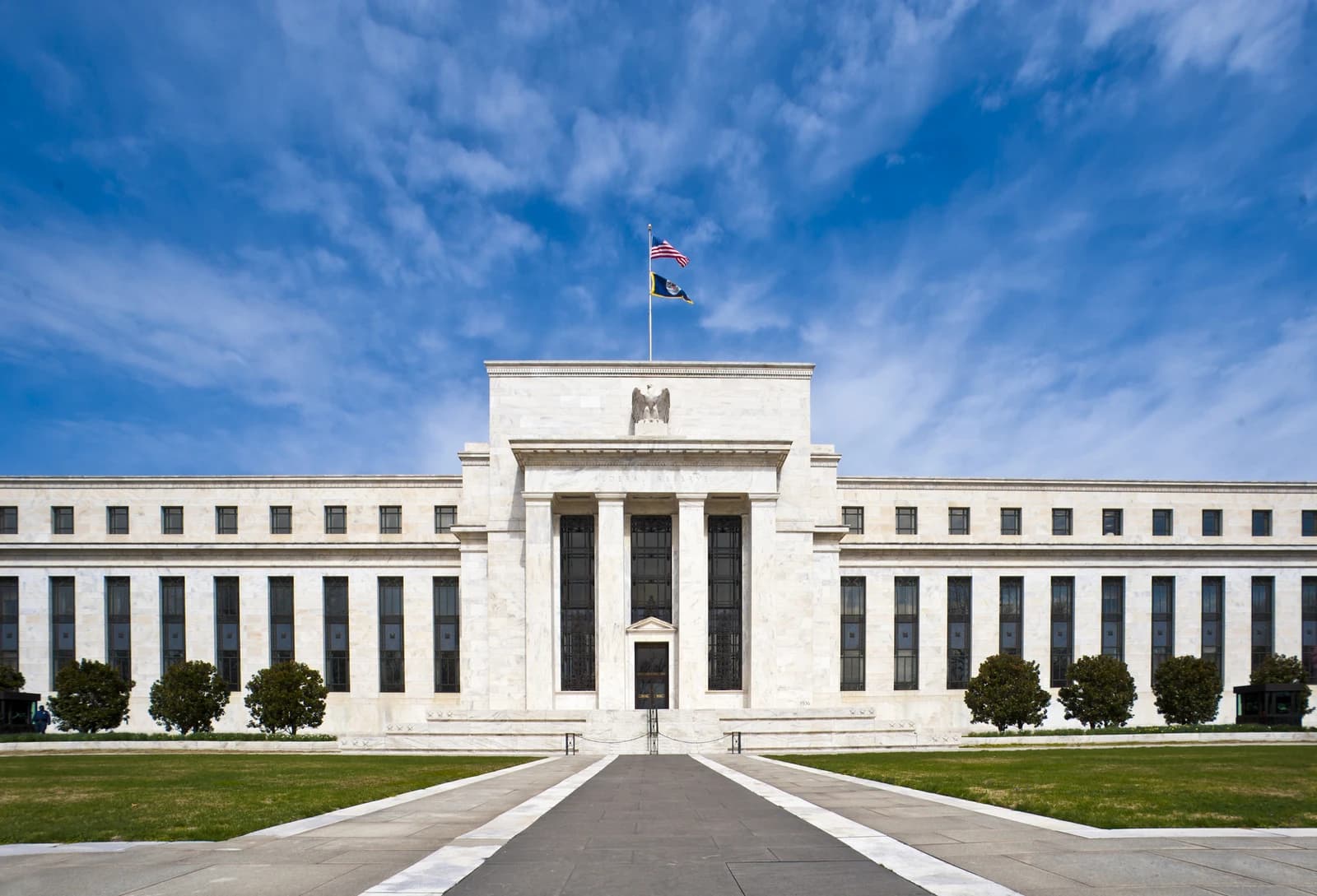
By citing India’s roughly 7% growth alongside low borrowing costs, Trump tried to frame cheaper money as the missing ingredient for a stronger U.S. expansion, arguing the economy could accelerate to 14%, 15% or even 20% if the Fed cuts. That is a dramatic claim, but the economic message behind it is straightforward: lower policy rates would ease debt-service costs, support factory investment and likely weaken the dollar, all of which matter for capital markets and corporate earnings.
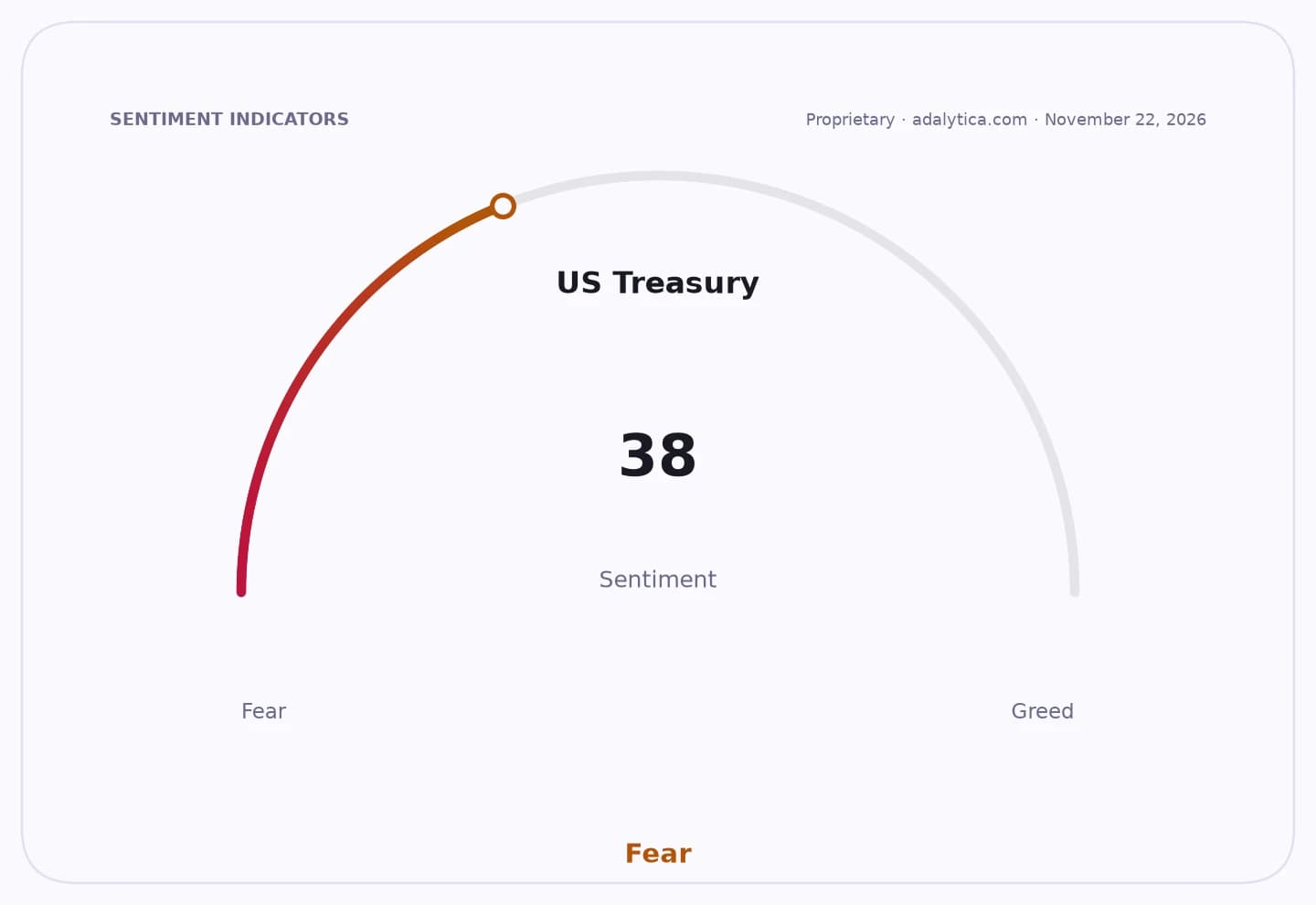
Sentiment Indicators
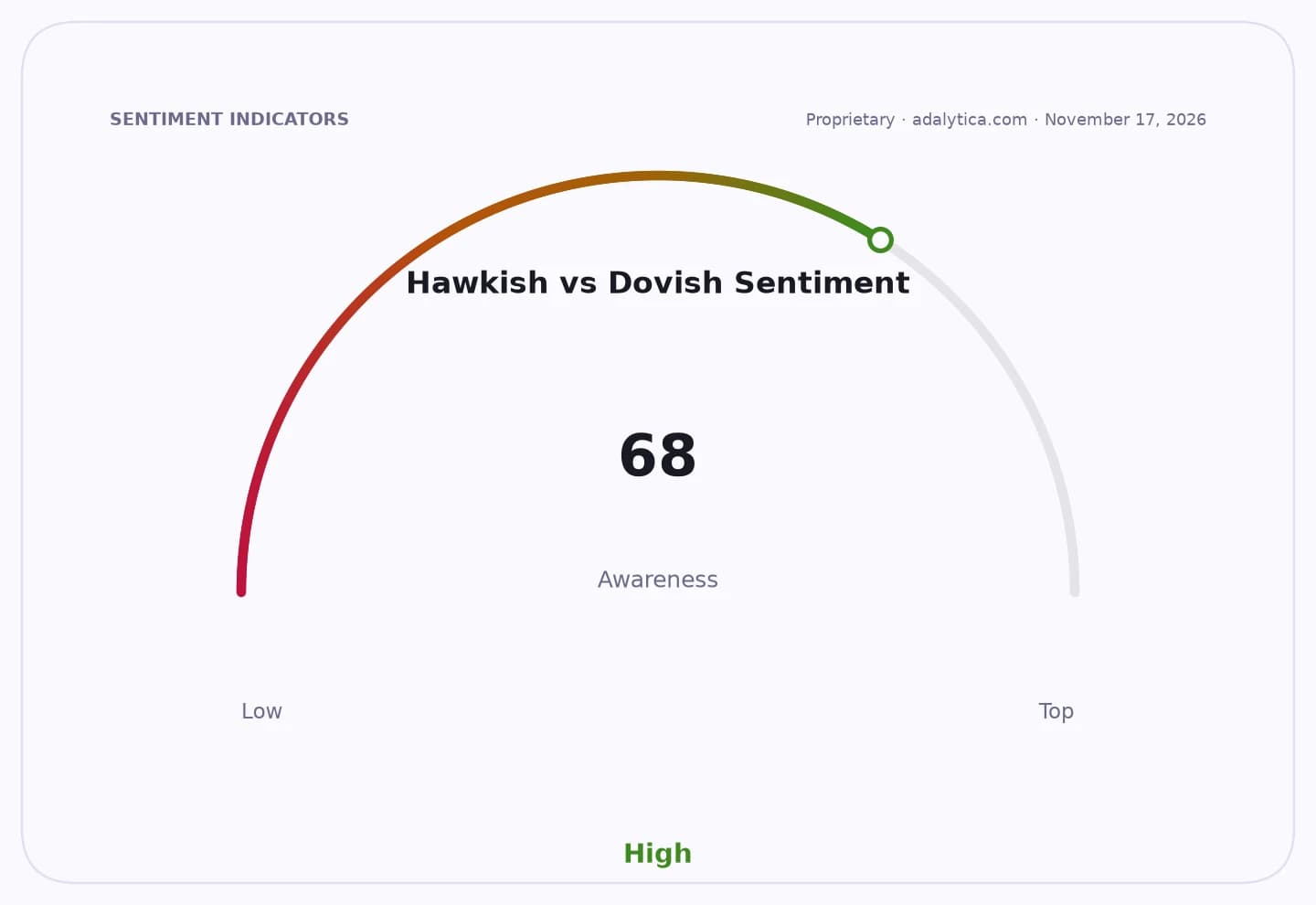
Forward Guidance Interpretation
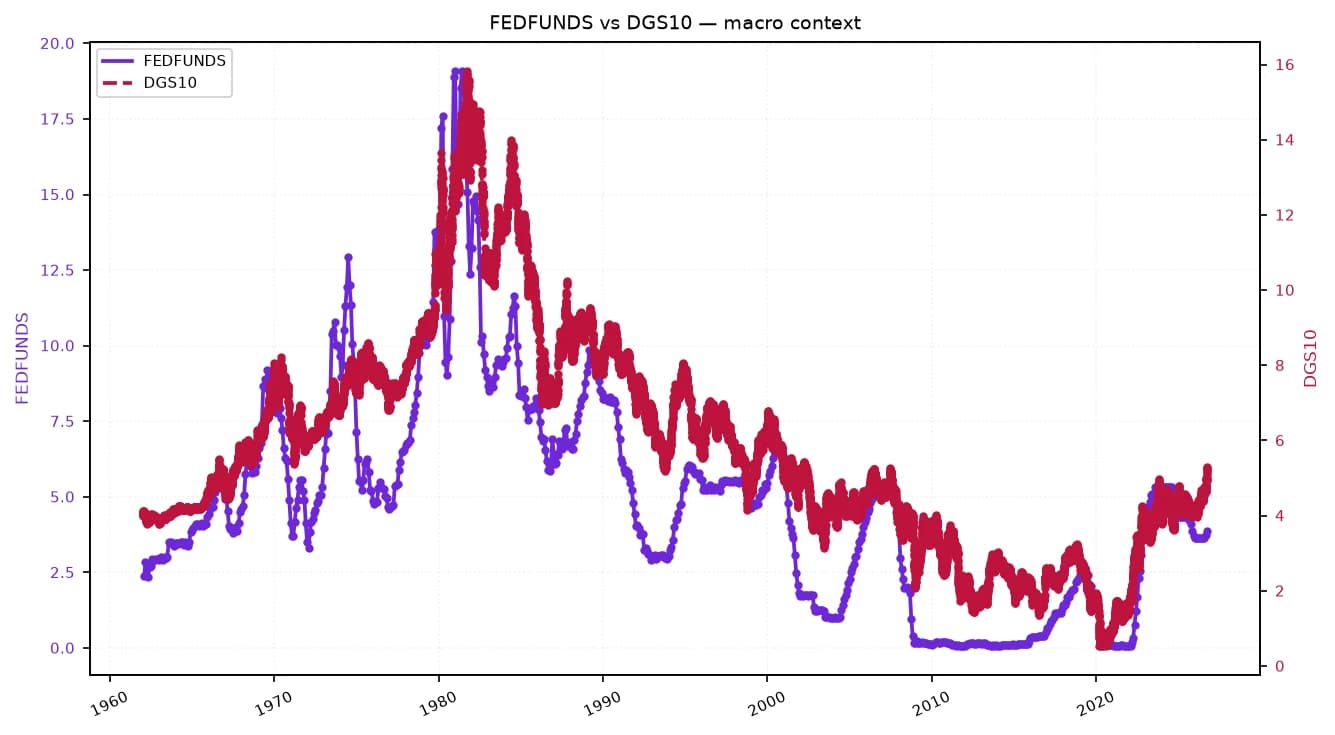
The timing matters. The 10-year Treasury yield was around 4.91% on Friday, down from 5.07% two days earlier, while the U.S. dollar ETF UUP closed at 29.62, still elevated but off recent highs in the broader trend. At the same time, Adalytica’s trade signals show the dollar in “Extreme Fear” and the S&P 500 in “Extreme Fear” on the latest reading, a combination that suggests investors are increasingly sensitive to the path of rates and liquidity. Even without a formal policy shift, the market is already positioning for a more dovish setup.
Trump’s argument also lands in the middle of a real economic debate. The Fed is balancing inflation that still sits above the central bank’s comfort zone with a labor market that has remained resilient. But Trump is trying to turn the conversation toward growth, pointing to manufacturing investment, equipment spending and falling fuel prices as evidence the economy can absorb easier policy. That is where the investable thesis gets interesting: if rate-cut expectations build, the biggest winners are typically long-duration assets, rate-sensitive sectors and businesses tied to borrowing demand.
DGS10 vs FEDFUNDS — macro contextadalytica.com
Explore this data interactively — full history, time series and cross-market comparisons.
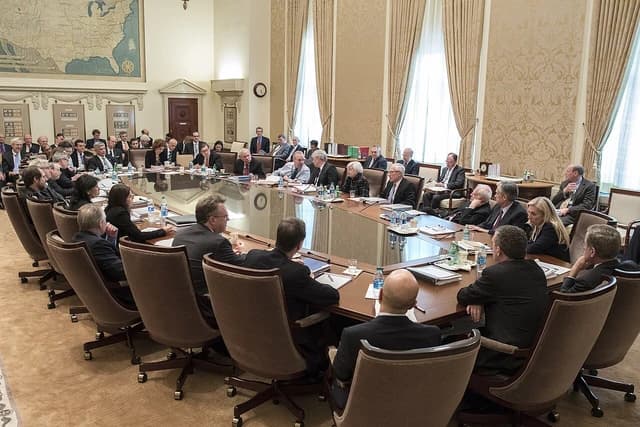
India’s role in the comparison is also telling. Trump is not praising India for its policy mix out of the blue; he is using it as a foil to argue that lower rates can coexist with robust growth. For investors, that reinforces a broader global theme: capital is likely to keep chasing markets where growth is intact and financing conditions are supportive. India remains one of the clearest beneficiaries of that logic, with domestic growth still outpacing most major economies.
For U.S. markets, the key question is not whether Trump can dictate Fed policy, but whether his pressure campaign helps shape expectations. If investors start pricing in a faster easing cycle, Treasury yields could drift lower, banks may face margin pressure, and dividend-paying defensives could regain favor. Growth stocks, homebuilders, small caps and other rate-sensitive names would likely get the first lift. The market underestimates how much valuation can expand when the cost of capital falls even modestly.
My view: this is not just noise from a former president. It is an early warning that the policy debate is shifting back toward growth, debt sustainability and the cost of money. That creates an asymmetric opportunity in assets that benefit from falling rates and a weaker dollar, while leaving the Fed-focused macro trade vulnerable to every new inflation print and headline from Washington.
| Entity | Gains | Losses |
|---|---|---|
| Rate-sensitive equities | ▲Higher valuations | ▼Higher-for-longer rates |
| U.S. borrowers | ▲Lower financing costs | ▼Elevated debt service |
| Treasury bulls | ▲Lower yields | ▼Sticky inflation |
| U.S. banks | ▲Steeper curves, if cuts are orderly | ▼Net interest margin pressure |