Kevin Warsh’s expected return to rate hikes is a warning to retirees that the Federal Reserve is no longer positioned to cushion stock-market declines, even if equities remain above water over a longer horizon.
Fed rate hikes and retiree portfolio risk
That matters because the policy backdrop has shifted from crisis-response to inflation control. Futures now price about a 78% chance of a quarter-point increase at the Fed’s Dec. 9 meeting after October payrolls rose by 165,000 and unemployment dipped to 4.1%, while the Fed’s preferred inflation gauge still ran at 3.6% in September, or 3.1% excluding food and energy, well above the 2% target. The S&P 500, meanwhile, is still 5.6% below its Oct. 6 high, leaving investors confronting tighter policy while markets are already softening.
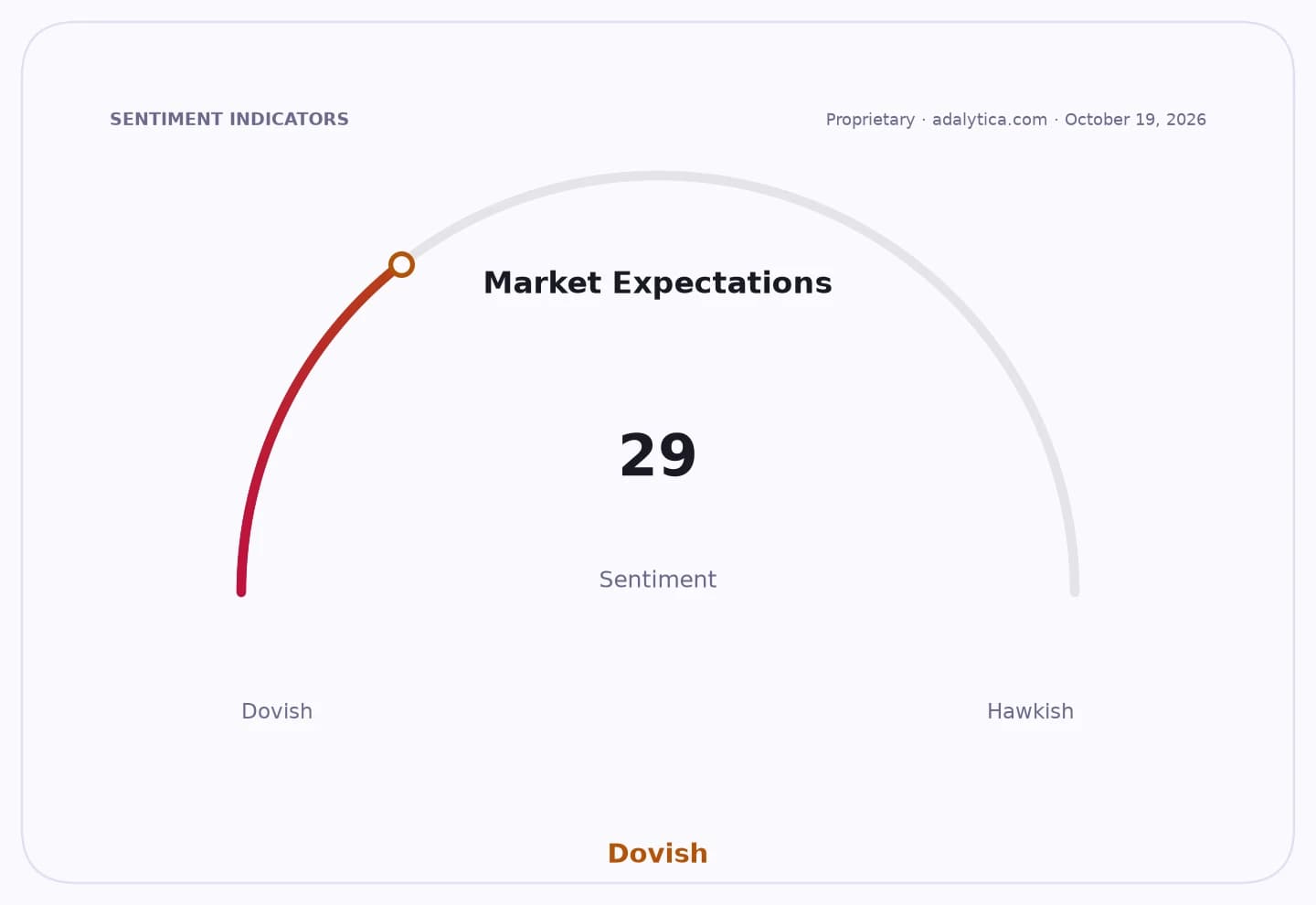
Sentiment Indicators
Market Expectations
For retirees drawing income from portfolios, the timing is particularly uncomfortable. In 2022, a hypothetical $1.8 million portfolio split 60% stocks, 30% bonds and 10% cash lost about $262,196 as both stocks and bonds fell together, a reminder that higher rates can compress both sides of a traditional retirement mix. In that case, the cash sleeve covered roughly 11.1 years of withdrawals, but the broader point is that rate hikes can erode the assets retirees rely on just as borrowing costs rise across the economy.
The market’s own history offers some reassurance, but only on a longer timeline. Since 2000, the Fed has raised rates 14 times when the S&P 500 was at least 5% below a high; a year later the index was higher in 12 of those cases. Yet the two losses came during the first hikes of 2022, underscoring that the immediate aftermath of a tightening cycle can still be painful for stocks and bonds alike.
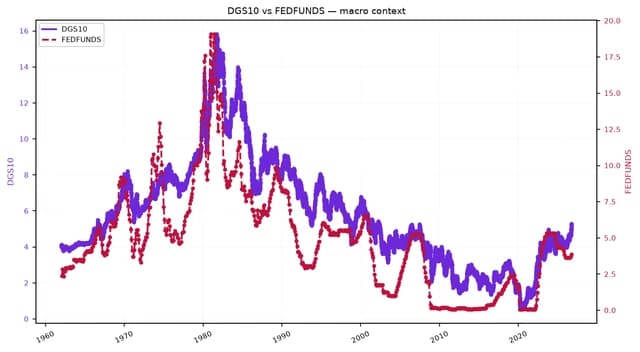
Warsh, speaking at his Oct. 28 press conference, said interest rates “get in the cracks” and affect “almost everything,” a formulation that captures why this move matters beyond the headline policy rate. Higher rates restrain equity valuations, support the dollar and tighten financial conditions across households and companies. KPMG chief economist Diane Swonk has argued that softer equity prices can help cool inflation among wealthier households, but that dynamic is a direct hit to retirees who depend on investment income and mark-to-market stability.
The investment implication is straightforward: the Fed is not offering the kind of backstop that defined 2008 or 2020, when inflation gave policymakers room to slash rates as markets fell. If inflation stays sticky, the central bank is more likely to lean against asset prices than rescue them, even if the longer-run market path still trends higher. That leaves retirees and other income-focused investors needing more liquidity, shorter duration exposure and less reliance on the assumption that the Fed will always step in when stocks wobble.
| Entity | Gains | Losses |
|---|---|---|
| Fed inflation fight | ▲Price stability credibility | ▼Stock-market support |
| Cash-heavy retirees | ▲Liquidity and withdrawal coverage | ▼Equity upside |
| Dollar holders | ▲Stronger currency | ▼Exporters and multinationals |
| Bond-equity portfolios | ▲Longer-term normalization | ▼Near-term mark-to-market losses |