The U.S. Treasury’s $75 billion sale of 17-week bills cleared at a 4.23% high yield, underscoring that short-term borrowing costs remain stuck at elevated levels even as markets continue to price a slower policy path from the Federal Reserve.
U.S. Treasury 17-Week Bill Clears at 4.23%

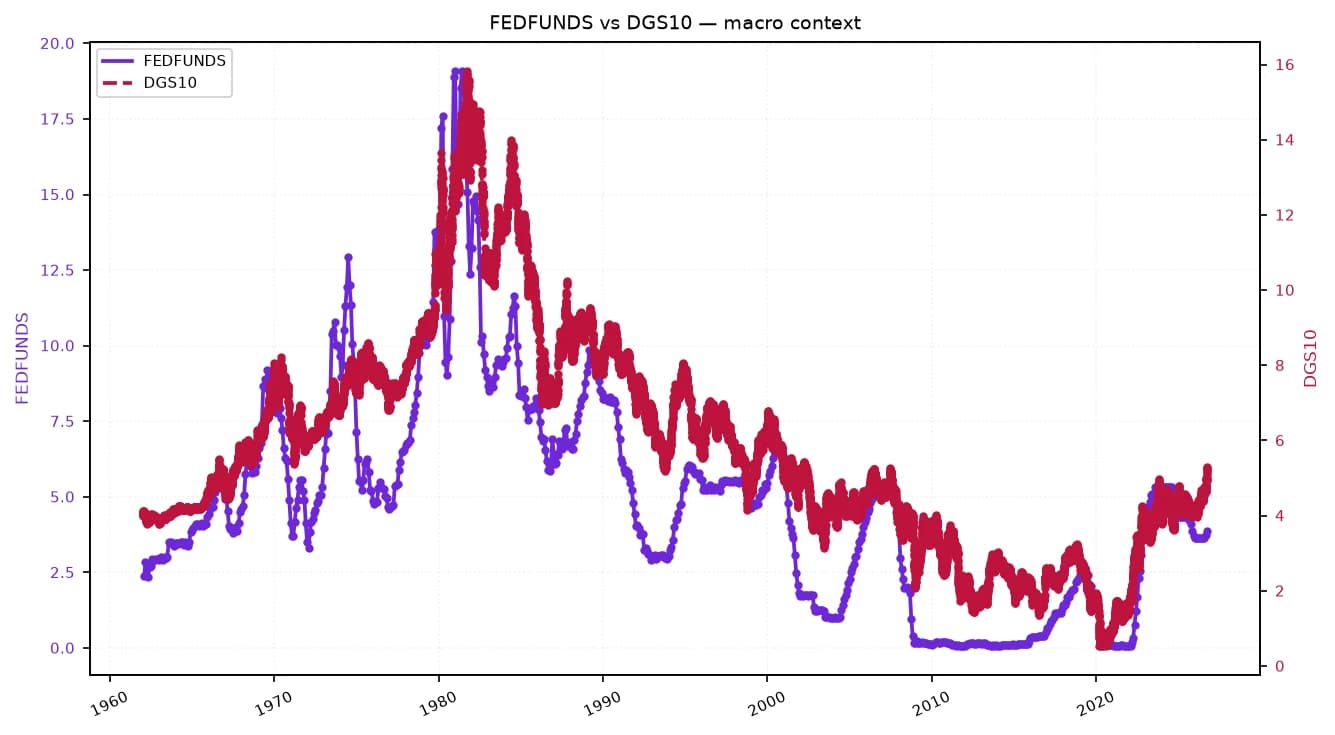
That matters because bill auctions sit at the front end of the government’s financing curve and quickly reflect the market’s view of Fed policy, liquidity conditions and demand for safe assets. A 4.23% stop rate on a very short maturity is still high by historical standards, and it comes against a backdrop of the federal funds rate around 3.9% and two-year Treasury yields near 4.8% to 5.0%, showing investors are demanding meaningful compensation to lend to Washington for just four months.
Sentiment Indicators

The auction also reinforces the broader strain in money markets after a year of heavy Treasury supply. Bill issuance has become a key funding tool as the government leans on short-dated debt to finance deficits, but that concentration can keep front-end yields sticky and absorb cash that might otherwise flow into bank reserves, repo or longer-duration bonds. For the Treasury, strong bid-to-cover metrics and smooth clears would signal healthy market absorption; a high yield, by contrast, means Uncle Sam is still paying up to place debt.
For investors, the result is relevant well beyond the bill itself. Elevated bill yields support money market funds and cash-like instruments, but they also keep pressure on duration trades and make it harder for longer bonds to rally decisively. The iShares 7-10 Year Treasury ETF, IEF, and the long-bond proxy TLT have both been volatile, with TLT still trading below its 200-day moving average and a recent rebound in yields pressuring bond prices. The latest auction is another reminder that the front end is not yet pricing a clean easing cycle.
There is also a macro signal in the market response. Treasury yields had already eased from recent highs, with the 10-year around 5.1% in the latest data and the 2-year near 4.83%, but the bill sale suggests investors remain cautious about how quickly inflation and labor-market strength will translate into easier policy. Conventional technical indicators on Treasury ETFs show the market still lacks a decisive trend break, with TLT below its 200-day average and momentum only recently recovering from oversold levels.
The broader narrative is one of persistent government funding needs meeting a still-demanding bond market. If upcoming auctions keep clearing above policy rates, that would reinforce the view that short-end funding will stay expensive and could prolong the drag on rate-sensitive assets. If demand strengthens and yields ease, it would signal investors are becoming more confident that the Fed’s next move is down, not up.
| Entity | Gains | Losses |
|---|---|---|
| Treasury bill buyers | ▲High short-term yield | ▼Reinvestment risk if rates fall |
| U.S. Treasury | ▲Reliable funding access | ▼Higher borrowing costs |
| Money market funds | ▲Better cash returns | ▼Harder to extend duration |
| Long-duration bond holders | ▲Potential future rally | ▼Near-term price pressure |