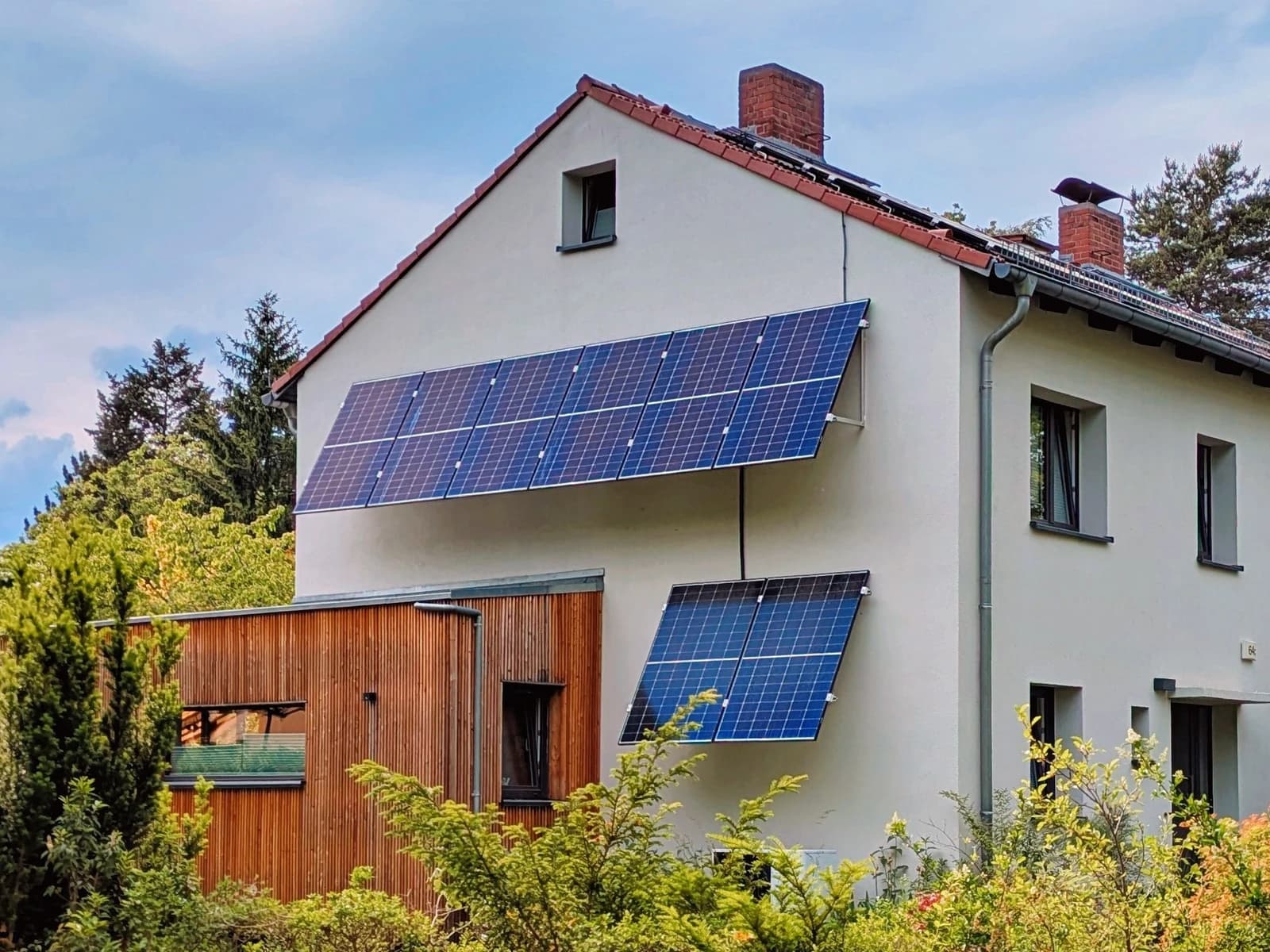
A government-backed solar bond scheme could remove the biggest obstacle to rooftop solar in Britain — the upfront installation bill — and widen access to households that currently cannot afford to buy panels outright.
UK solar bond plan could boost rooftop adoption
That matters because the economics of household electrification are increasingly being shaped by financing, not just hardware costs. Rooftop solar can shave hundreds of pounds a year off power bills, but the initial outlay of as much as £10,000 has kept adoption below its potential, especially among lower-income families who are least able to take on unsecured borrowing. Under the model proposed by Common Wealth, the installation cost would be repaid over 25 years through electricity bills, with the obligation tied to the property rather than the homeowner.
Sentiment IndicatorsⓘProprietary · adalytica.com · September 4, 2026
This is a snapshot — live sentiment, awareness and momentum for 130+ markets update continuously in the dashboard.Open AlphaPulse
The policy pitch is straightforward: convert a large capital expense into a long-dated utility-style payment that travels with the house. That would reduce the need for credit checks and personal loans, lowering the financing barrier while preserving monthly savings for the household. The report says a typical home could save at least £83 a year even after financing costs, and nearly twice that with a battery, though the exact payback depends on consumption patterns, electrification levels and tariff structure.
For investors, the significance extends beyond British housing policy. Rooftop solar remains one of the clearest demand channels for the broader clean-energy complex, from module makers and inverter suppliers to installers and battery providers. The sector has been constrained not only by policy volatility but by the simple mismatch between long-term energy savings and short-term affordability. A bond structure that shifts repayment onto the property could unlock a larger addressable market without relying solely on grants or tax breaks.
The timing is also notable. European households are still looking for ways to reduce exposure to volatile fossil-fuel costs, while analysis cited in the report suggests rooftop solar could eventually provide about 40% of Europe’s electricity by 2050. Yet only about 10% of European roofs are fitted with panels today, underlining how much growth depends on financing as much as on technology. Countries such as Ireland, Hungary, Germany and the Netherlands have already used subsidies or tax relief to accelerate deployment, but the UK proposal would go further by socializing the financing mechanism rather than just subsidizing the sticker price.
Listed solar names have already reflected the industry’s sensitivity to policy support. U.S. installers and manufacturers have repeatedly warned in filings that changes to incentives, rebates or bill-crediting structures can quickly alter demand and external financing availability. That makes any move to broaden residential uptake in a major market relevant for the entire supply chain, even if the policy is not a direct subsidy.
The bull case is that solar bonds could open the market to millions of homeowners who are currently excluded by cash-flow constraints, supporting installation volumes, battery attachment rates and jobs. The bear case is that if bill savings prove smaller than projected, or if repayment terms are poorly designed, the scheme could add complexity without materially improving adoption. Still, the central economic logic is clear: if households are willing to pay for energy every month, policy can repackage solar as a bill-financed asset rather than a discretionary purchase.
For investors, the key question is whether Britain and eventually other European governments embrace financing innovations that reduce upfront friction. If they do, rooftop solar demand could become less dependent on subsidy cycles and more like a durable utility-service market.
| Entity | Gains | Losses |
|---|---|---|
| Homeowners with suitable roofs | ▲Lower upfront cost | ▼Long repayment commitment |
| Solar installers and suppliers | ▲Higher installation demand | ▼Margin pressure from scale pricing |
| Governments | ▲Faster decarbonization progress | ▼More policy and credit risk |
| Fossil-fuel power sellers | ▲None | ▼Lower household electricity demand |