The dollar’s slide and the euro’s advance are rippling through Ukraine’s currency market, altering the value of the hryvnia against the currencies that matter most for trade, debt service and inflation.
Ukraine Hryvnia Faces Euro Cost Pressure as Dollar Slips
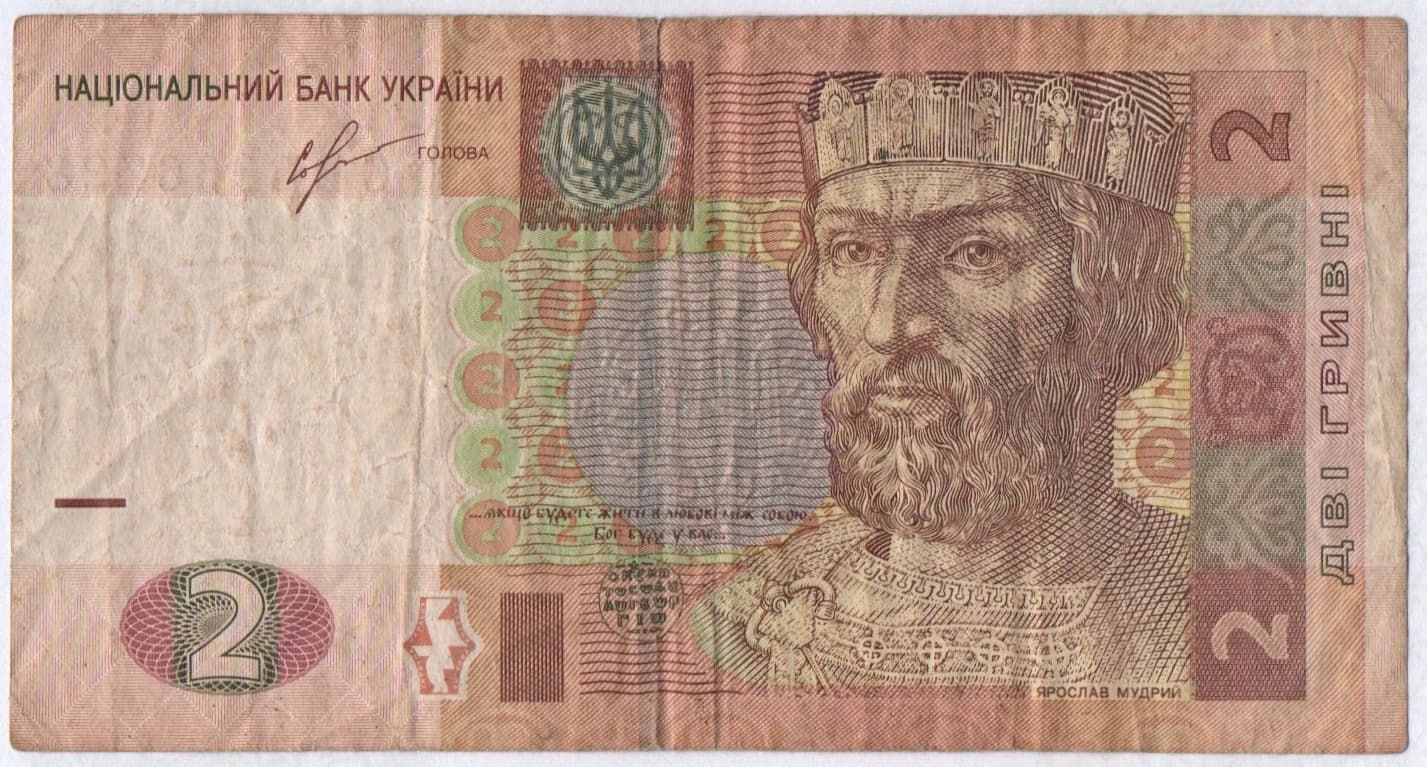
A weaker US dollar has helped push the euro higher in global FX trading, while dollar-tracking assets have softened, with the U.S. Dollar Index fund UUP slipping to 27.90 on Aug. 21 from 28.50 in mid-July. The euro proxy FXE held at 107.80, near the top of its recent range, while the yen proxy FXY recovered to 57.70 after earlier weakness. For Ukraine, that matters because the exchange rate is increasingly being set not just by domestic policy, but by the relative strength of the dollar and euro in the wider market.
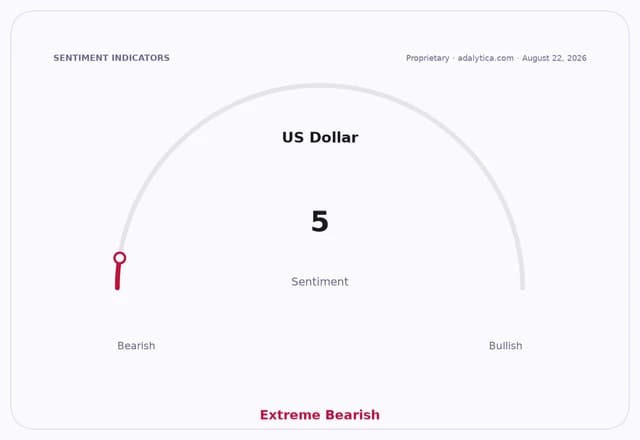
Sentiment IndicatorsⓘProprietary · adalytica.com · August 22, 2026
This is a snapshot — live sentiment, awareness and momentum for 130+ markets update continuously in the dashboard.Open AlphaPulse
The macro implication is straightforward: as the dollar weakens, imports priced in euros can become more expensive in hryvnia terms even if the dollar itself is falling. That is particularly relevant for Ukraine, where energy, machinery, consumer goods and a large share of trade links are euro-anchored rather than dollar-anchored. A firmer euro can lift the local-currency cost of those imports, filtering into inflation just as households and businesses are still sensitive to price shocks.
The move is also about capital flows. Adalytica’s US dollar trade signal is flashing “Extreme Fear,” with sentiment at 5 and awareness at 99, while the euro signal is neutral. That suggests the market is not simply rotating out of the dollar on a one-day swing, but is testing a broader regime in which investors are less willing to hold the greenback as a safe haven. For emerging markets and frontier economies, that can be a mixed blessing: local debt servicing can ease if the dollar falls, but imported inflation can accelerate if the euro strengthens against the hryvnia.
Bond-market volatility is part of the backdrop. Rising Treasury yields have renewed pressure on US stocks and amplified foreign-exchange swings, reinforcing the link between rates, the dollar and cross-border capital allocation. When US yields rise, the dollar often gains; when they soften or investors doubt the dollar’s premium, other currencies and risk assets can rally. That is why the euro’s strength is not just a Europe story, but a pricing mechanism for trade across Eastern Europe, including Ukraine.
For investors, the key question is whether this is a short-lived repositioning or the start of a more durable dollar correction. If the dollar continues to weaken, pressure could build on Ukraine’s import bill in euro terms, even as dollar-denominated funding costs look less severe. If the dollar rebounds, the immediate relief would be on imported pricing, but only at the cost of renewed global tightening in financial conditions.
The practical takeaway is that Ukraine’s exchange rate is being shaped by two forces at once: the global dollar cycle and the euro’s own bid. That combination can widen volatility for importers, exporters and the central bank, and it leaves local markets more exposed to moves far beyond Kyiv’s control. The next catalyst will be whether US rates and bond-market stress extend the dollar’s retreat or bring buyers back into the greenback.
| Entity | Gains | Losses |
|---|---|---|
| Euro importers in Ukraine | ▲Lower dollar financing pressure | ▼Higher hryvnia cost of euro goods |
| Ukrainian exporters to eurozone | ▲Better local-currency revenues | ▼Stronger import competition |
| Dollar holders / UUP longs | ▲Rebound if yields rise | ▼Mark-to-market losses |
| Ukrainian consumers | ▲Relief if dollar weakness persists | ▼Imported inflation from euro strength |