Universal Health Services and its real estate affiliate Universal Health Realty Income Trust are losing altitude as investors reassess the durability of hospital and healthcare-property cash flows against a backdrop of reimbursement risk, policy uncertainty and a weaker appetite for risk assets.
Universal Health Services Falls as Reimbursement Risk Weighs

The market move matters because both businesses sit close to the same economic fault line: if hospital operators face tighter reimbursement or heavier operating costs, landlords like Universal Health Realty can ultimately feel the strain through tenant balance sheets, while hospital owner-operators such as Universal Health Services face the direct hit to margins and earnings power. That is why the recent pullback in UHS, combined with a softer tone in UHT, is being read less as a stock-specific wobble and more as a test of how much resilience the sector still has after a long run of healthcare demand.
Sentiment Indicators
Universal Health Services closed at $176.32 on Nov. 19, down from $197.80 just three sessions earlier and well below its recent peak, even though the shares remain above the 50-day moving average at $182.43. The stock had been rallying strongly into mid-November, but the latest slide came with momentum indicators cooling: RSI fell to 50.2 from 68.8 on Nov. 16, while the MACD, though still positive, narrowed sharply. That kind of reversal often tells traders the near-term bid is fading after a strong run.
Universal Health Realty Income Trust has been much steadier, but it is hardly immune. The shares slipped to $37.50 on Nov. 19 from $38.10 two days earlier and remain below both the 50-day and 200-day moving averages. For a healthcare REIT, that combination points to a market still demanding caution over tenant credit quality and the path of rent coverage, even as the stock has recovered from the midyear lows.
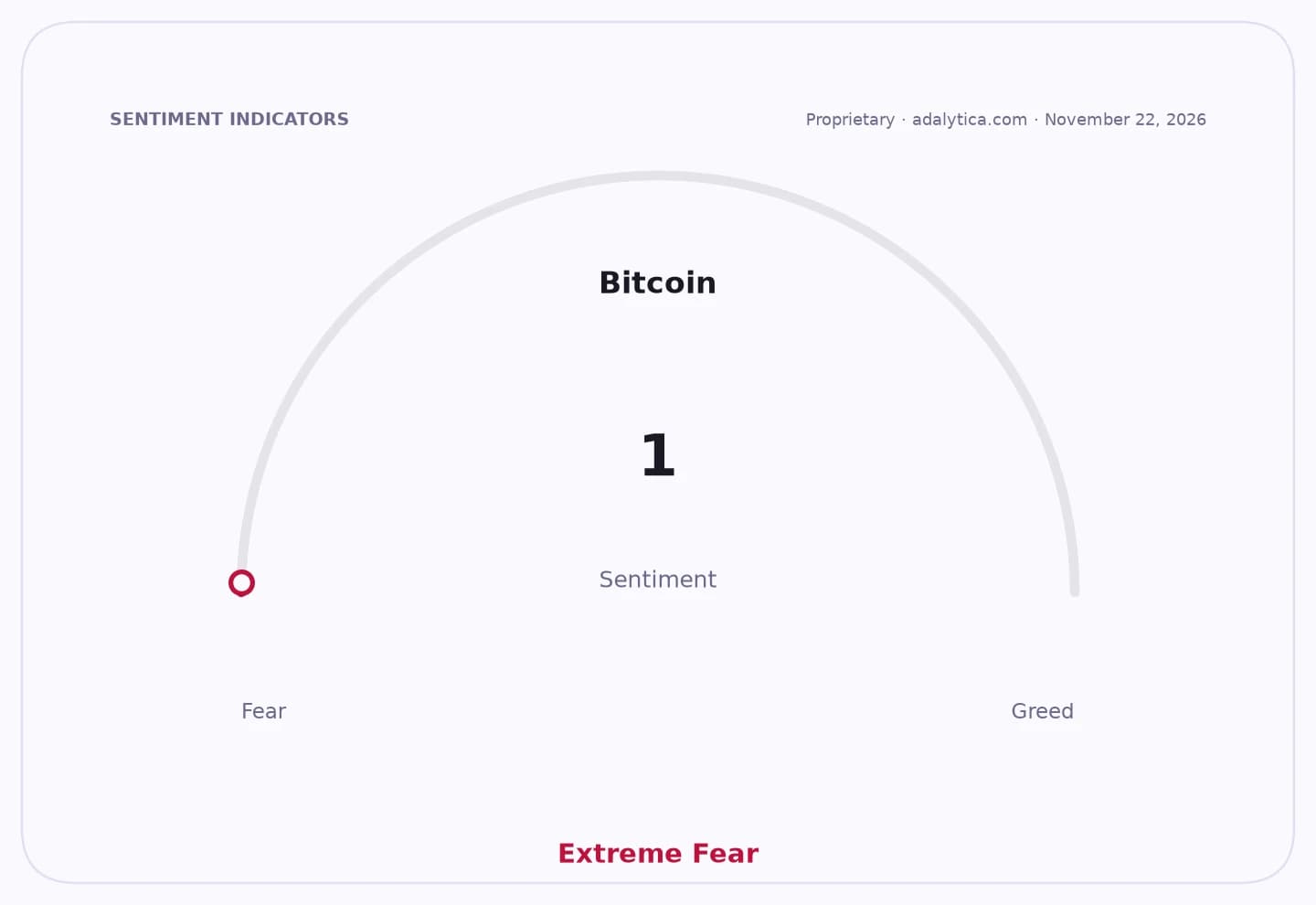
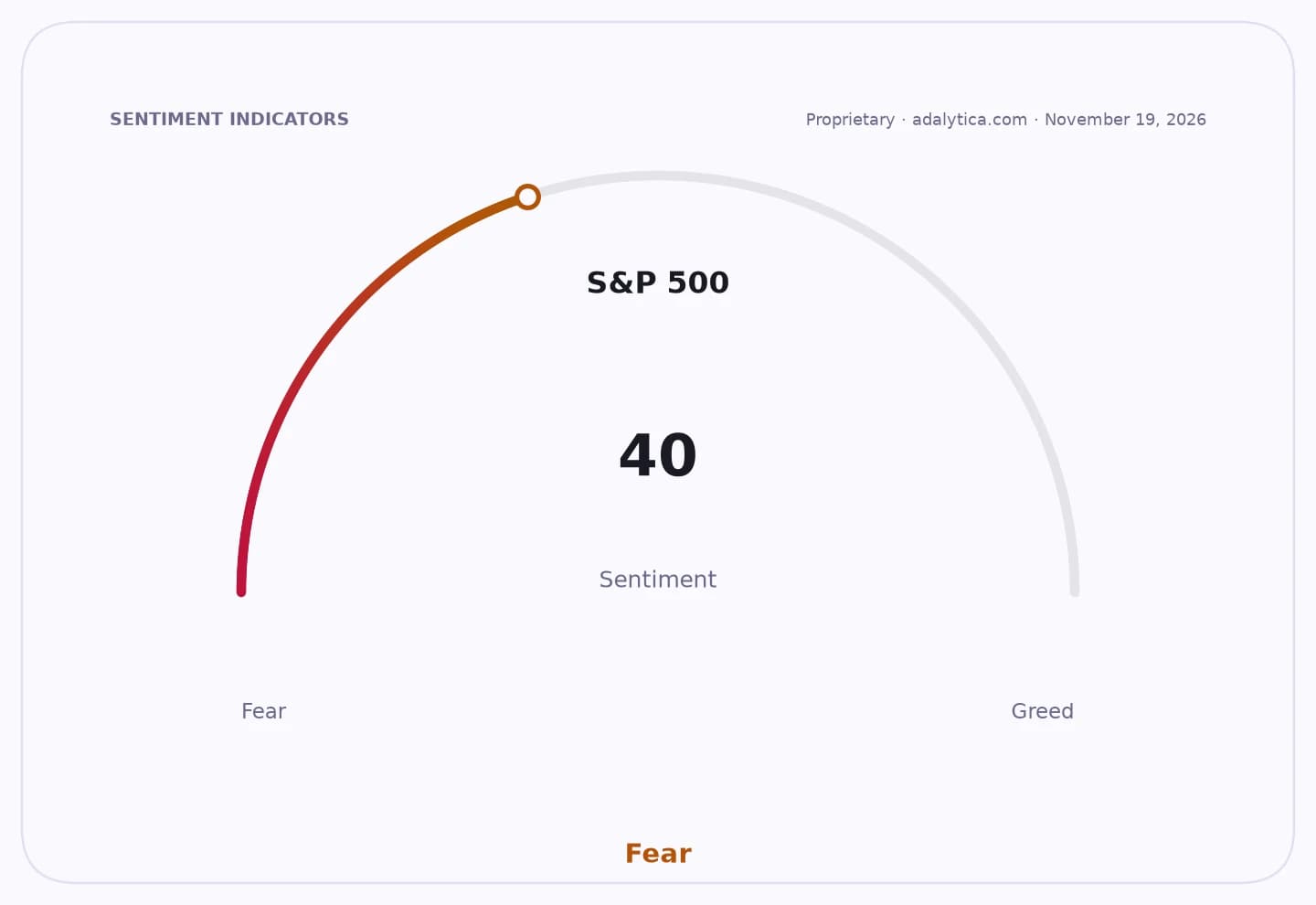
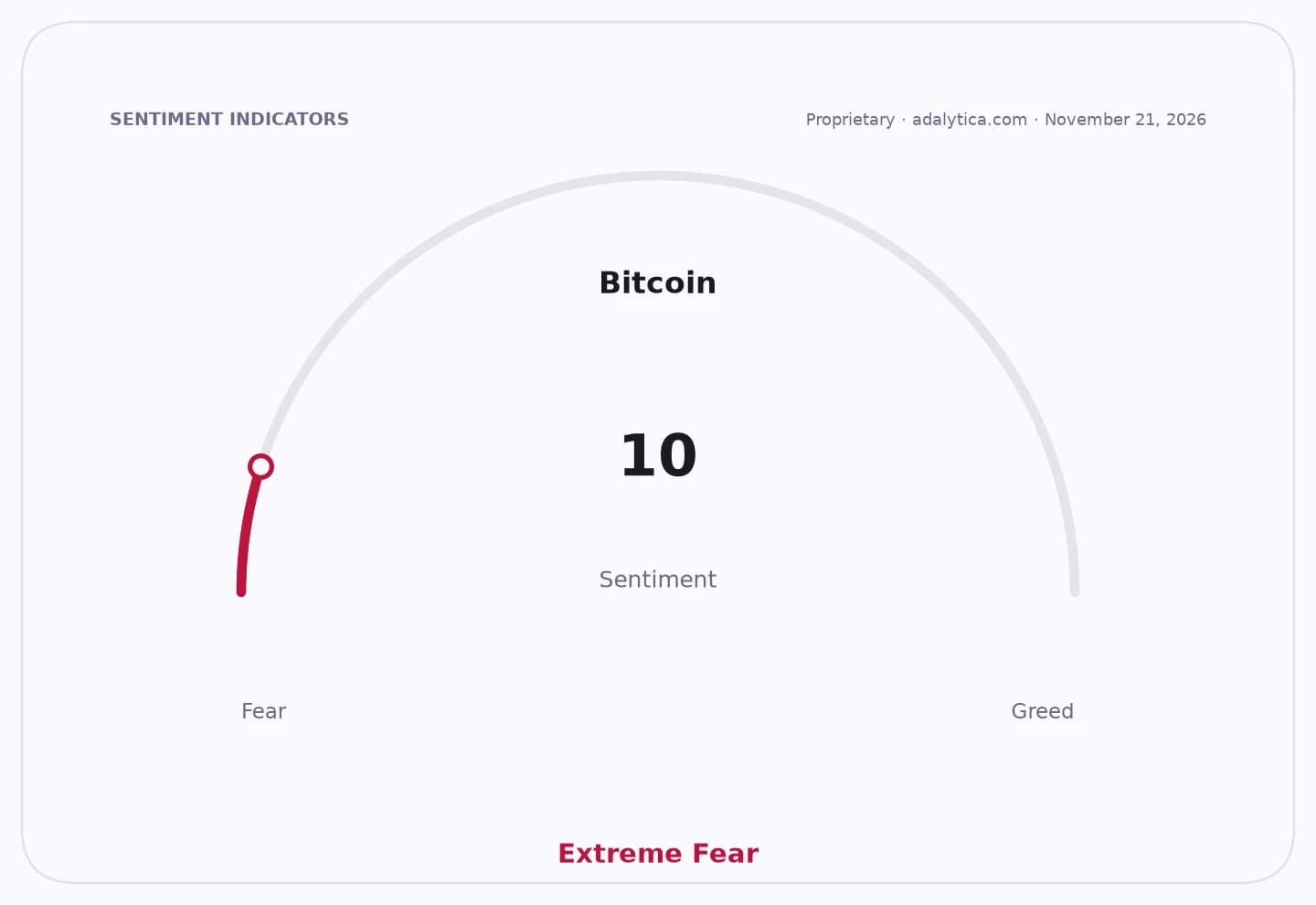
The broader backdrop is not helping. Adalytica’s S&P 500 trade signals show “Extreme Fear,” while Bitcoin’s fear gauge is also in the same territory, underscoring a risk-off tone that tends to punish cyclical and rate-sensitive pockets of the market. In healthcare, the pressure is less about demand destruction than about policy and reimbursement. UHS’s latest filing highlighted the risk that future changes to federal healthcare law and reimbursement regimes could materially affect hospital economics. UHT, meanwhile, warned that Medicare and Medicaid funding changes could hurt tenants’ ability to make rental payments.
For investors, the key question is whether the recent weakness is a pause after an overextended rally or the start of a deeper reassessment. The bull case remains that healthcare utilization is defensive, UHS has scale, and UHT’s property portfolio benefits from long-lived relationships with operators. The bear case is that margins at hospitals can erode quickly when labor, supply and reimbursement pressures move against them, and real-estate owners eventually inherit that stress through slower rent growth or weaker tenant balance sheets.
Romania and other international healthcare headlines may point to structural demand for better medical systems, but in U.S. public markets the immediate driver remains cash-flow visibility. If reimbursement stays stable, UHS could continue to command a premium to more volatile healthcare names. If policy noise intensifies, the recent volatility in both UHS and UHT suggests investors will keep demanding a larger risk discount.
| Entity | Gains | Losses |
|---|---|---|
| Universal Health Services | ▲Stable reimbursement, strong hospital volumes | ▼Margin compression, policy uncertainty |
| Universal Health Realty Income Trust | ▲Tenant cash-flow resilience, steady rent coverage | ▼Weak hospital tenants, lower growth |
| Long-only healthcare investors | ▲Defensive demand, dividend visibility | ▼Valuation compression, policy risk |
| Short-term traders | ▲Volatility and momentum swings | ▼Chasing a fading rally |