UPS is leaning harder into production network optimization as large industrial and logistics names show that tighter networks, cheaper routing and better inventory flow are becoming a margin story as much as an operating one.
UPS Network Optimization Boosts Margins

The shift matters because companies are still dealing with uneven demand, higher labor and transport costs, and the need to keep factories, warehouses and delivery networks synchronized. For investors, that makes network redesign a direct lever on earnings quality, cash flow and, in some cases, valuation.
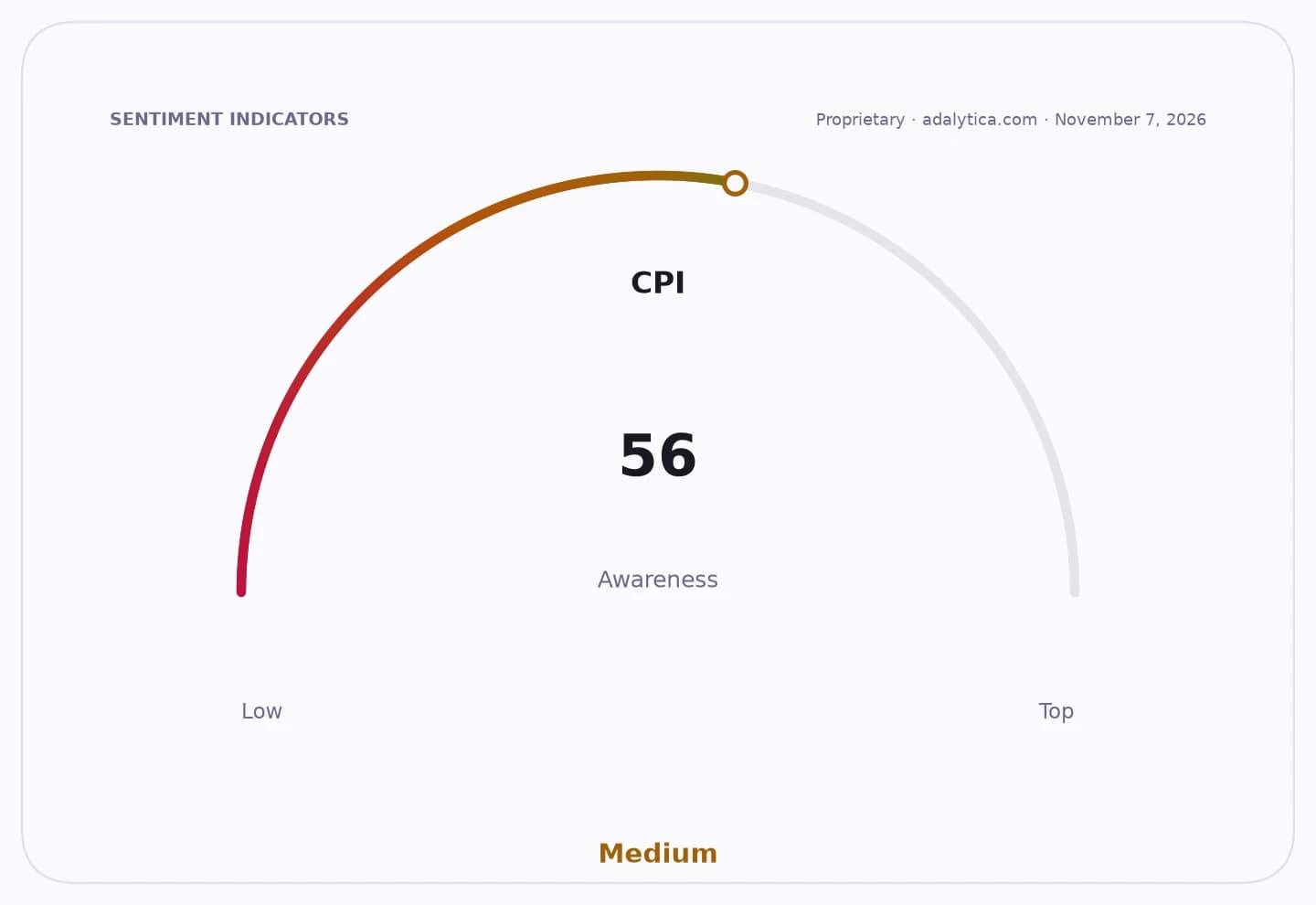
Sentiment Indicators

UPS said in its latest filing it completed its Fit to Serve initiative in 2025 and continued to push network reconfiguration and efficiency measures aimed at a more responsive operating model. The company’s shares have recovered to $111.72, up from $92.05 in late September, with the stock now above both its 50-day and 200-day moving averages.
That rebound reflects a broader read-through across transport and industrial stocks. FedEx shares are trading around $320.49, far above their 200-day moving average of $305.18, after swinging sharply during the quarter, while Caterpillar has rebounded to $598.02 from a November low of $553.64, though it remains well below its 200-day average of $805.24 following a steep rerating.
The fundamental backdrop is that networks are being optimized not just to cut cost, but to protect service levels and meet changing trade rules. Lenzing said revenue reached 1.93 billion euros in the first nine months of 2026, while adjusted EBITDA held at 353 million euros even as restructuring and impairment charges hit reported earnings, underscoring how industrial firms are trying to use operational fixes to stabilize margins in a weak demand environment.
In logistics, that means better linehaul density, tighter warehouse placement and fewer empty miles. In manufacturing, it means moving production and sourcing to where inputs, labor and compliance requirements are most favorable, a dynamic also echoed in supply-chain work in textiles, oil and gas, and other industrial sectors.
Investors will watch whether those network changes show up in margins before the year-end shipping peak and the next round of guidance updates. The key test is whether optimization can offset soft volume, tariff pressure and wage inflation without sacrificing throughput.
| Entity | Gains | Losses |
|---|---|---|
| UPS | ▲Lower network costs | ▼Slower legacy operations |
| FedEx | ▲Yield and volume recovery | ▼Cost inflation pressure |
| Caterpillar | ▲Efficiency-driven margin support | ▼Demand volatility |
| Shippers and exporters | ▲Better routing and service | ▼Higher compliance burden |