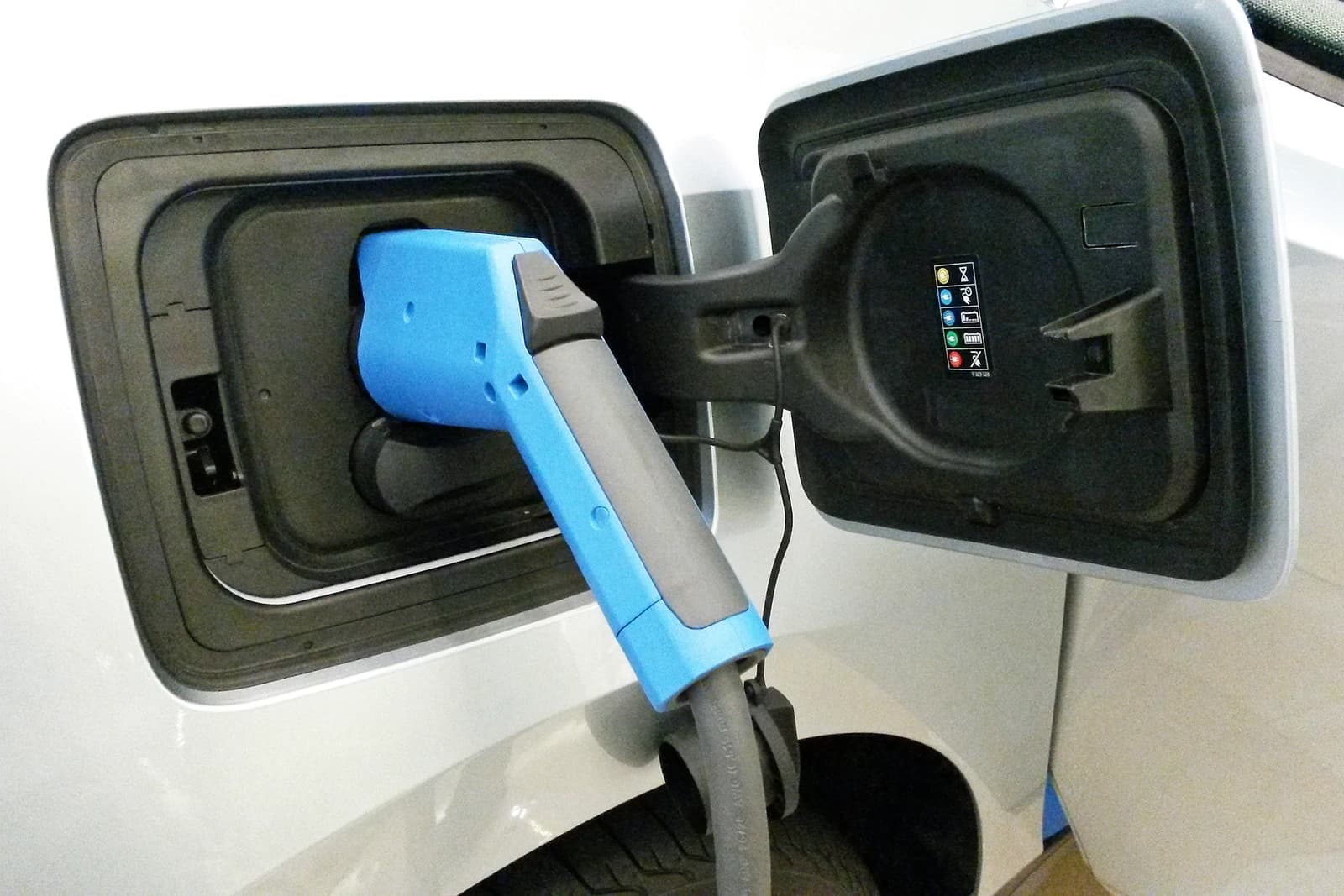
US automakers are benefiting from the continued exclusion of Chinese cars, but the bigger economic question is whether that protection is reducing the pressure to innovate just as global competition in electric vehicles intensifies.
US automakers face less EV competition

The policy wall around Chinese-made vehicles has bought Detroit time. It has also blunted the most direct source of price and technology competition in the US market, where Chinese EV makers have been able to force faster product cycles, lower battery costs and thinner margins elsewhere. That matters because the auto industry is capital intensive, cyclical and increasingly dependent on software, batteries and charging ecosystems — areas where scale and speed of innovation decide who keeps pricing power and who gets squeezed.
Sentiment IndicatorsⓘProprietary · adalytica.com · September 19, 2026
This is a snapshot — live sentiment, awareness and momentum for 130+ markets update continuously in the dashboard.Open AlphaPulse
Tesla, General Motors and Ford all remain exposed to that strategic trade-off, though in different ways. Tesla is still trading at a premium to legacy peers, with its shares around $364.27, above both the 50-day average of $350.25 and the 200-day average of $397.33, while momentum indicators such as RSI and MACD suggest the stock has recovered from summer weakness but is not in an outright euphoric phase. GM has held above its 200-day moving average near $80.18 and closed at $82.20 on heavy volume, suggesting investors are still willing to pay for an earnings base that has proved more resilient than feared. Ford, by contrast, remains stuck near $13.21, with its 50-day average at $14.03 and the 200-day at $13.28, underscoring how little the market is rewarding it for competing in a protected but still low-growth US market.
The risk for investors is not just that Chinese EVs stay out of the US for now, but that domestic manufacturers use the respite to defend margins instead of spending aggressively enough to close the gap on efficiency, software and battery integration. That would leave them vulnerable if trade policy changes, tariffs ease, or Chinese brands find ways to enter through Mexico, joint ventures or other indirect routes. It would also prolong a market structure in which US incumbents may look stable on the surface while ceding the most profitable parts of the EV value chain to faster global rivals.
There are arguments on both sides. Bulls will say the exclusion gives US groups time to rationalize capacity, improve battery sourcing and protect cash flow while EV demand normalizes. Bears will argue that protection often breeds complacency, and that the industry’s history shows innovation accelerates under threat, not shelter. The next test will be whether Detroit uses the window to cut costs and sharpen product cycles — or simply enjoys the comfort of a less competitive market until it is forced to react.
| Entity | Gains | Losses |
|---|---|---|
| GM | ▲protected US pricing | ▼innovation pressure |
| Ford | ▲temporary market shelter | ▼EV competitiveness |
| Tesla | ▲domestic market support | ▼policy-driven rivals stay out |
| Chinese EV makers | ▲little immediate access | ▼US market entry |