A backlash over soaring Venice hotel rates and a 50-euro coffee at the Excelsior has become a reputational issue for the Venice Film Festival, forcing hoteliers, festival organizers and the Biennale into talks over whether peak-event pricing is damaging the city’s image and future demand.
Venice Film Festival hotel rates face backlash

The dispute matters because Venice’s Mostra is not just a cultural event but a concentrated demand shock for the local hospitality economy, where a handful of premium properties capture a large share of festival spending. When room rates and ancillary charges become the story, the risk is not only irritation among visitors but also a broader hit to the destination’s brand, which can eventually feed back into occupancy, mix and pricing power.
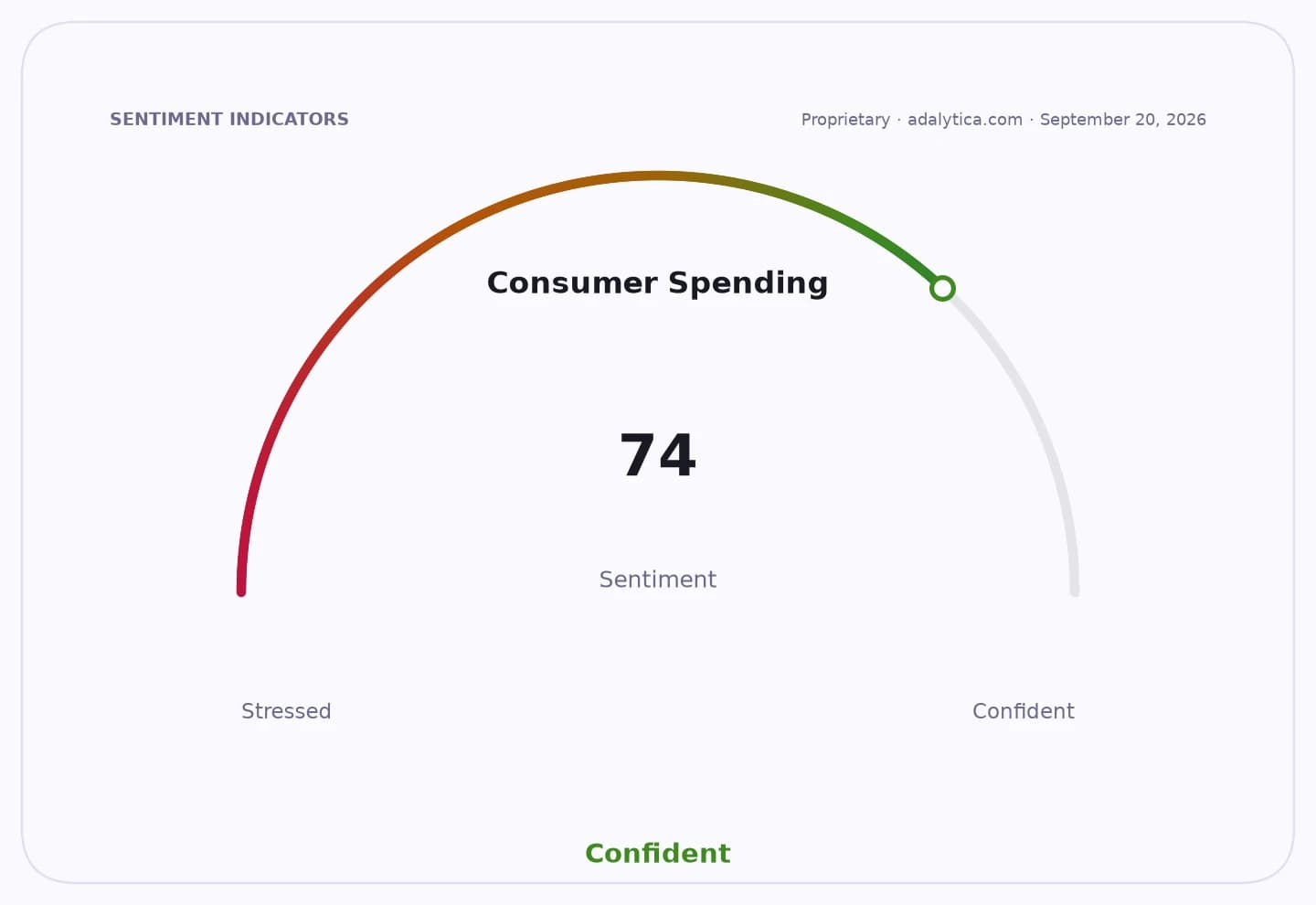
Sentiment IndicatorsⓘProprietary · adalytica.com · September 16, 2026
This is a snapshot — live sentiment, awareness and momentum for 130+ markets update continuously in the dashboard.Open AlphaPulse
Hotel operators say the criticism is being overstated. Michela Cafarchia, who heads the “Venezia e il suo Lido” consortium, said the group already has an agreement with the Biennale for 200 rooms at negotiated prices and argued that monitoring data show the Lido is not materially more expensive than Cannes during festival week. Antonio Vianello, president of the Venetian hotel association, said one four-star room at the Lido averaged about 440 euros a night and urged critics not to generalize from isolated cases.
The defensive tone underscores how sensitive pricing has become in high-season leisure markets, particularly in destinations where supply is constrained and a short booking window allows hotels to test the upper end of what the market will bear. For investors in travel and hospitality, that is the central tension: strong event-driven pricing can boost revenue per available room in the near term, but aggressive rates on visible dates can also trigger consumer backlash, press scrutiny and pressure from event organizers to impose guardrails.
The Excelsior, which sits at the center of the festival, has become the main flashpoint. Biennale-linked officials have reportedly contacted the hotel’s London-based owner at senior level after complaints about the 50-euro coffee and restrictions on photography, and a review could lead to changes in how hospitality is managed around the festival. That makes the issue relevant beyond Venice: luxury hotel brands depend on exclusivity and scarcity, but they also rely on an image of refinement rather than opportunism.
Teodoro Russo, who runs the five-star Ausonia Hungaria, dismissed the criticism as “normal market logics,” arguing that festival pricing reflects a 10-day surge in demand after a year of operating costs and risk. His point captures the bull case for hoteliers: the few peak weeks of a major event help subsidize a long off-season and support employment in a destination that depends heavily on tourism. The bear case is that if the optics deteriorate enough, organizers may push for more pricing oversight, which would limit upside during the most profitable period.
For Booking Holdings, Marriott and Hilton, the episode is another reminder that travel demand remains highly price sensitive at the margin even in premium leisure markets. The broader travel backdrop is not one of collapse but of a market where consumers are increasingly alert to value, while industry and government bodies in other tourist regions are also stepping up scrutiny of unfair or excessive pricing.
For investors, the next catalyst is whether the Biennale and local hoteliers reach a more formal framework ahead of next year’s festival. If they do, it may preserve Venice’s premium positioning while reducing reputational drag. If they do not, the Mostra risks becoming a recurring headline about excess rather than a showcase for the city.
| Entity | Gains | Losses |
|---|---|---|
| Venice hoteliers | ▲Peak-season revenue | ▼Public goodwill |
| Biennale / festival organizers | ▲Better guest relations | ▼Pricing controversy |
| Luxury hotels like Excelsior | ▲Scarcity pricing power | ▼Reputation risk |
| Visitors / attendees | ▲Possible future moderation | ▼Immediate higher costs |