Vietnam is tightening control over apartment buildings with fines of as much as 300 million dong for developers and managers that arbitrarily change the use of shared areas, misuse maintenance funds or delay handovers, a move that could reshape how condo projects are priced, operated and valued.
Vietnam apartment rules tighten fines on developers
That matters because shared ownership disputes have long been one of the most persistent frictions in Vietnam’s housing market, undermining trust between buyers and developers and creating hidden costs for residents. Decree No. 339, issued by the Ministry of Construction, puts real financial pressure on violators at a time when the country is trying to improve housing governance and reduce the kind of breakdowns that can stall occupancy, trigger lawsuits and damage project economics.
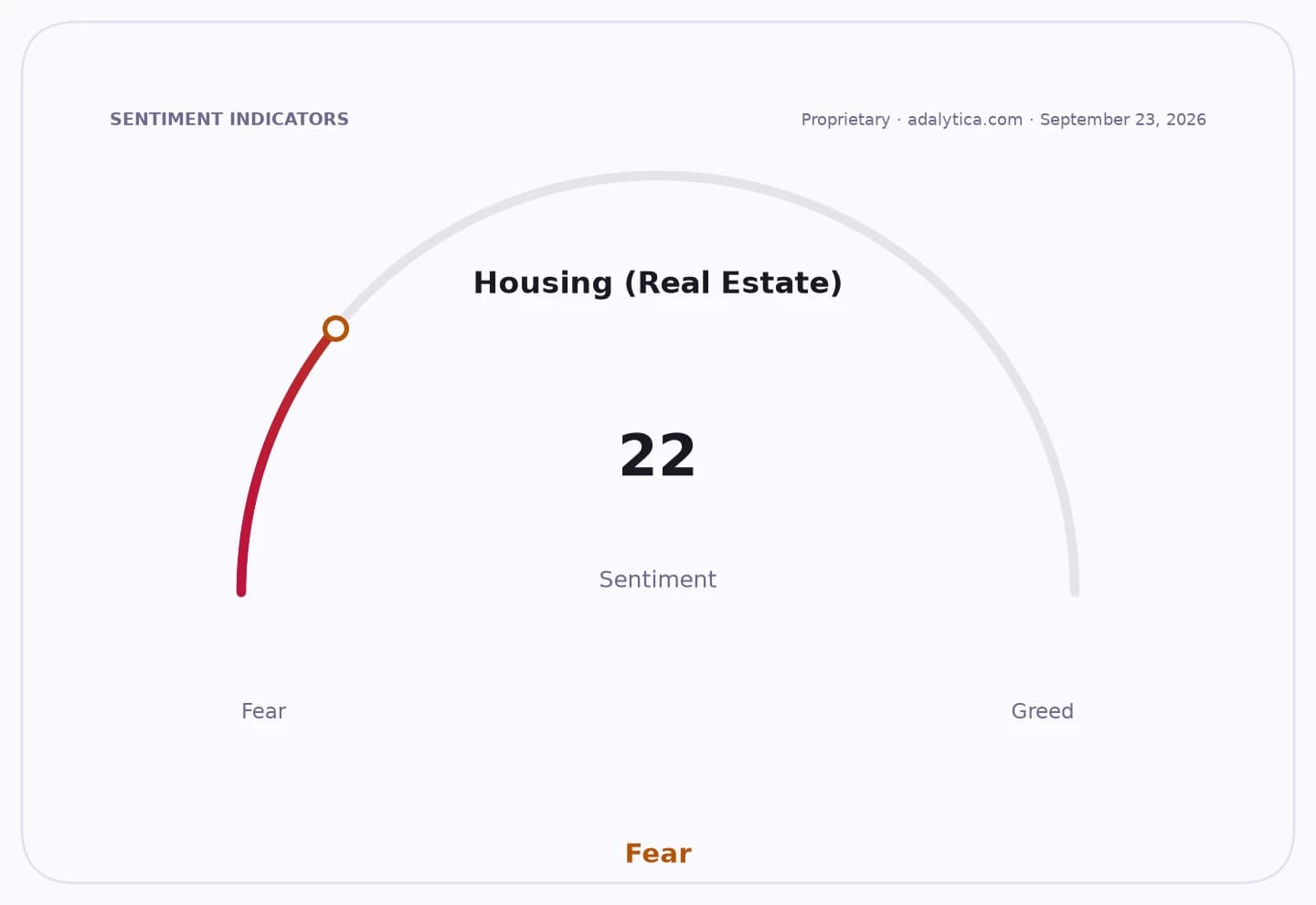
Sentiment IndicatorsⓘProprietary · adalytica.com · September 4, 2026
This is a snapshot — live sentiment, awareness and momentum for 130+ markets update continuously in the dashboard.Open AlphaPulse
The toughest penalty applies to actions such as converting common areas for non-residential use, using shared facilities without authorization, changing service space in mixed-use towers without approval, or misclassifying private and common areas. The decree also targets the money trail behind condo disputes: developers that fail to open or properly manage maintenance-fund accounts, do not transfer upkeep money and interest on time, or hand over funds incompletely can be fined up to 300 million dong.
Other breaches carry fines of 160 million to 200 million dong, including incorrect determination of maintenance contributions and improper sale or rental of parking spaces in apartment buildings. Violations such as failing to organize a first homeowners’ meeting, not setting aside enough space for community facilities, or mismanaging operating funds can draw penalties of 200 million to 260 million dong.
Economically, this is more than an administrative cleanup. Apartment projects are capital-intensive, pre-sold on trust and dependent on smooth handover. When governance breaks down, buyers delay payments, reputational risk rises and developers face higher legal and financing costs. By forcing clearer rules on maintenance accounts, handover deadlines and shared-area usage, Hanoi is trying to lower one of the hidden risk premiums embedded in residential real estate.
For investors, the message is straightforward: governance is becoming a valuation issue. Developers with strong compliance, cleaner handover practices and better resident relations should gain an edge, while those that rely on opaque control of common areas or maintenance funds will face higher enforcement risk and potentially weaker sales absorption. The rules also favor professionally managed housing platforms, service providers and firms positioned to benefit from a more formalized condominium market.
The broader investment case is that Vietnam’s apartment sector is moving from a volume story to a governance story. As regulators increase penalties and tighten enforcement, the winners will be developers that treat post-sale management as part of the product, not an afterthought. That should improve market confidence over time, and in a market where trust can be as valuable as land, that is a meaningful shift.
| Entity | Gains | Losses |
|---|---|---|
| Condo buyers | ▲Better protection | ▼Less developer discretion |
| Compliant developers | ▲Stronger trust premium | ▼N/A |
| Noncompliant developers | ▲N/A | ▼Higher fines, reputational risk |
| Housing market | ▲Clearer rules, steadier demand | ▼Short-term enforcement pain |