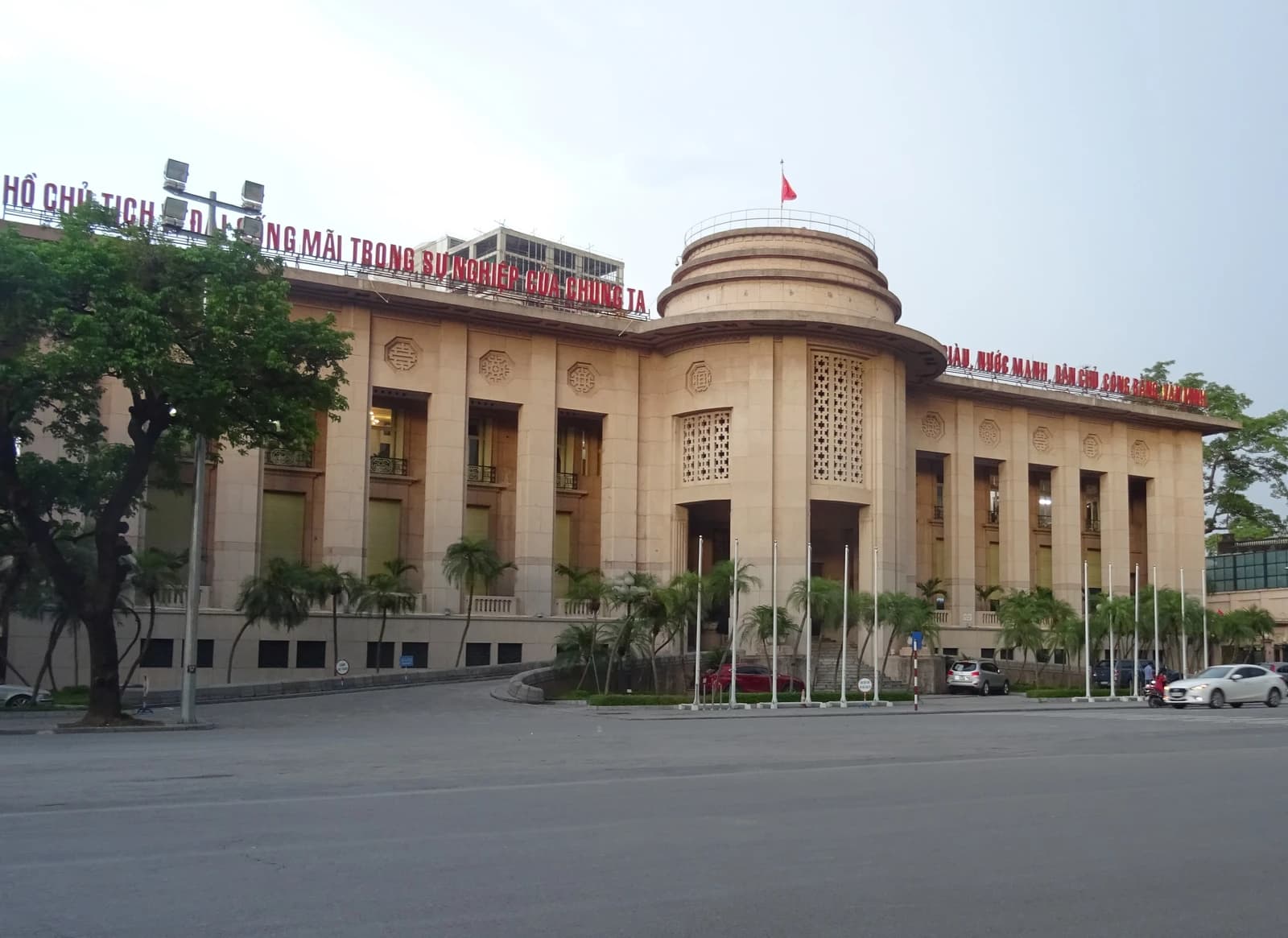
Vietnamese investigators say BMC turned a completed apartment project in Ho Chi Minh City into collateral for a 250 billion dong bank loan even after all 120 units had been sold, a case that underscores how property-linked lending can be abused to move money rather than finance construction.
Vietnam BMC property loan case and SCB exposure

That matters because the alleged maneuver did not just distort one borrower’s balance sheet. It allegedly left homebuyers without the paperwork needed to secure ownership certificates, saddled SCB with a loan that has since swollen to more than 12.8 trillion dong with interest and fees, and exposed a wider pattern of collateral inflation that can quietly hollow out bank asset quality. For investors, the lesson is simple: when property developers borrow against assets already sold, the risk is no longer just a single bad loan. It becomes a test of the whole credit system.
According to the investigative conclusion cited in Vietnamese media, BMC’s project at 258 Ben Chuong Duong in District 1 — now 422 Vo Van Kiet — was completed and handed over by early 2013. Yet the same development was pledged to SCB’s Long An branch in October 2010 to secure the loan, after all 120 apartments had already been sold to buyers.
The project had already generated more than 312 billion dong from sales, but BMC still used it as security for financing. Investigators say that of the 250 billion dong borrowed, 150 billion dong was transferred to Truong My Lan for her use, while the remaining 100 billion dong was used by BMC for debt repayment and other expenses, not solely for the project as stated in the loan application.
That is why this case matters far beyond one tower in central Ho Chi Minh City. When a completed and sold project is repeatedly used as collateral, the bank is no longer lending against a productive asset with clear repayment potential. It is effectively underwriting a web of related-party transfers and paper compliance. Those are the kinds of practices that can inflate credit growth in the short term while weakening real asset coverage underneath.
The numbers are striking. BMC and related individuals were formalized into 1.745 trillion dong of borrowing across 10 credit contracts, while the outstanding principal, interest and fees had climbed above 12.802 trillion dong by Aug. 3, 2024. The declared collateral was valued at just over 751 billion dong, leaving a gap of more than 12 trillion dong, according to the investigation.
For lenders, especially those with heavy exposure to real estate, the broader implication is obvious: collateral quality, not just loan size, determines how much capital is truly at risk. A property can look solid on paper, but if it has already been sold, pledged multiple times or tied to opaque related-party funding, recovery value can evaporate fast.
For investors in Vietnamese banks, real estate developers or distressed-asset situations, this is another reminder to focus on loan concentration, related-party exposure and the enforceability of collateral. Cases like this tend to surface long after the credit is extended, which is exactly why conservative underwriting and transparent land-title records matter so much.
The likely endgame is more legal scrutiny, more pressure on banks to clean up legacy property loans and, ultimately, a tougher environment for developers that relied on circular financing. For long-term investors, that is not a reason to abandon the sector — but it is a strong reason to prefer companies and lenders with clean balance sheets, verifiable collateral and disciplined capital allocation.
| Entity | Gains | Losses |
|---|---|---|
| BMC / related borrowers | ▲Cash access, funding flexibility | ▼Legal exposure, reputational damage |
| Truong My Lan / linked parties | ▲Reported loan proceeds | ▼Greater scrutiny from investigators |
| SCB | ▲Short-term loan volume | ▼Credit losses, collateral shortfall |
| Apartment buyers | ▲None | ▼Delayed ownership certificates |