Vietnam’s central bank is keeping real estate lending on a tight leash even as it tries to support growth, a sign policymakers are still walking a narrow line between preventing asset bubbles and keeping credit flowing to the economy.
Vietnam central bank keeps real estate lending tight

That balance matters because property lending is one of the most sensitive levers in Vietnam’s financial system. Too much credit can inflate prices and worsen future loan quality; too little can freeze developers, restrain homebuilding and slow a sector that feeds into banks, construction, materials and household wealth. State Bank Governor Pham Duc An said real estate credit is being controlled to “ensure growth,” while the central bank also leans on refinancing and open-market tools to support lenders.
Sentiment Indicators

The message is not one of outright tightening. Hanoi is pairing restraint on speculative property lending with targeted support for the parts of the market it wants to nurture. An said the central bank is rolling out a refinancing package for social housing loans under the prime minister’s direction, and that banks are also being encouraged to reduce lending rates and expand access for small and medium-sized companies.
For investors, that split approach is the real story. It suggests Vietnam is not opening the credit taps broadly for real estate, but selectively directing capital toward affordable housing and productive businesses. That is usually better for long-term financial stability, even if it limits a quick rebound in high-end property demand or developer funding. Banks with exposure to land speculation or leveraged developers may face slower loan growth, while lenders with stronger retail franchises and social housing channels could fare better.
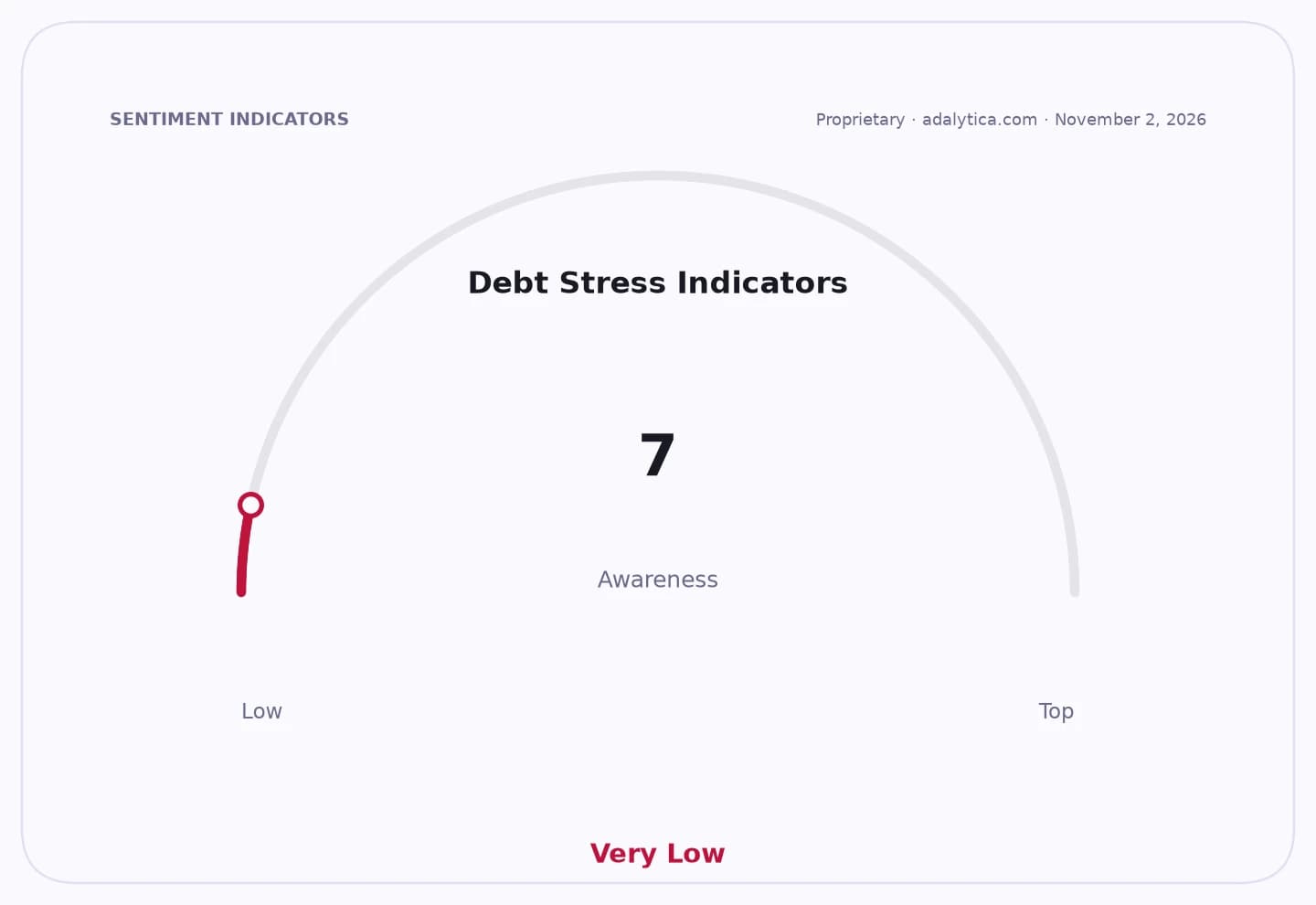
The policy backdrop is also consistent with the broader credit picture. New lending in Southeast Asia has remained strong, but mortgage contracts have been declining and consumer delinquencies remain elevated, underscoring why regulators remain cautious. In that environment, the central bank’s emphasis on controlled property credit is meant to avoid a repeat of the kind of debt buildup that can linger long after the cycle turns.
Still, there is room for patience to pay off. If Vietnam can keep credit growth alive while channeling more of it into affordable housing and small businesses, the result could be a healthier housing market and a more durable banking system. For long-term investors, that is less exciting than a credit surge, but often far more valuable. Vietnam’s real estate story remains worth watching, especially for banks, homebuilders and housing-related suppliers.
| Entity | Gains | Losses |
|---|---|---|
| Central bank / regulators | ▲Financial stability | ▼Speculative property lending |
| Affordable housing borrowers | ▲Better access to credit | ▼High-end developers |
| Small and mid-sized firms | ▲Lower borrowing costs | ▼Banks chasing easy property growth |
| Conservative long-term investors | ▲Lower bubble risk | ▼Fast credit-fueled gains |