Vietnamese companies are entering the final quarter of the year under pressure from loan rates above 10%, a funding squeeze that is slowing investment plans and threatening margins just as firms need cash to stock up for the Tết holiday rush.
Vietnam Firms Face 10% Loan Rates in Year-End Squeeze
The pinch matters because year-end is when many small and midsize businesses draw the most working capital to finish projects, replenish inventory and bridge receivables. Higher borrowing costs are forcing some firms to split investment into smaller phases, delay expansion and accept slower project completion, according to business executives quoted in the report.
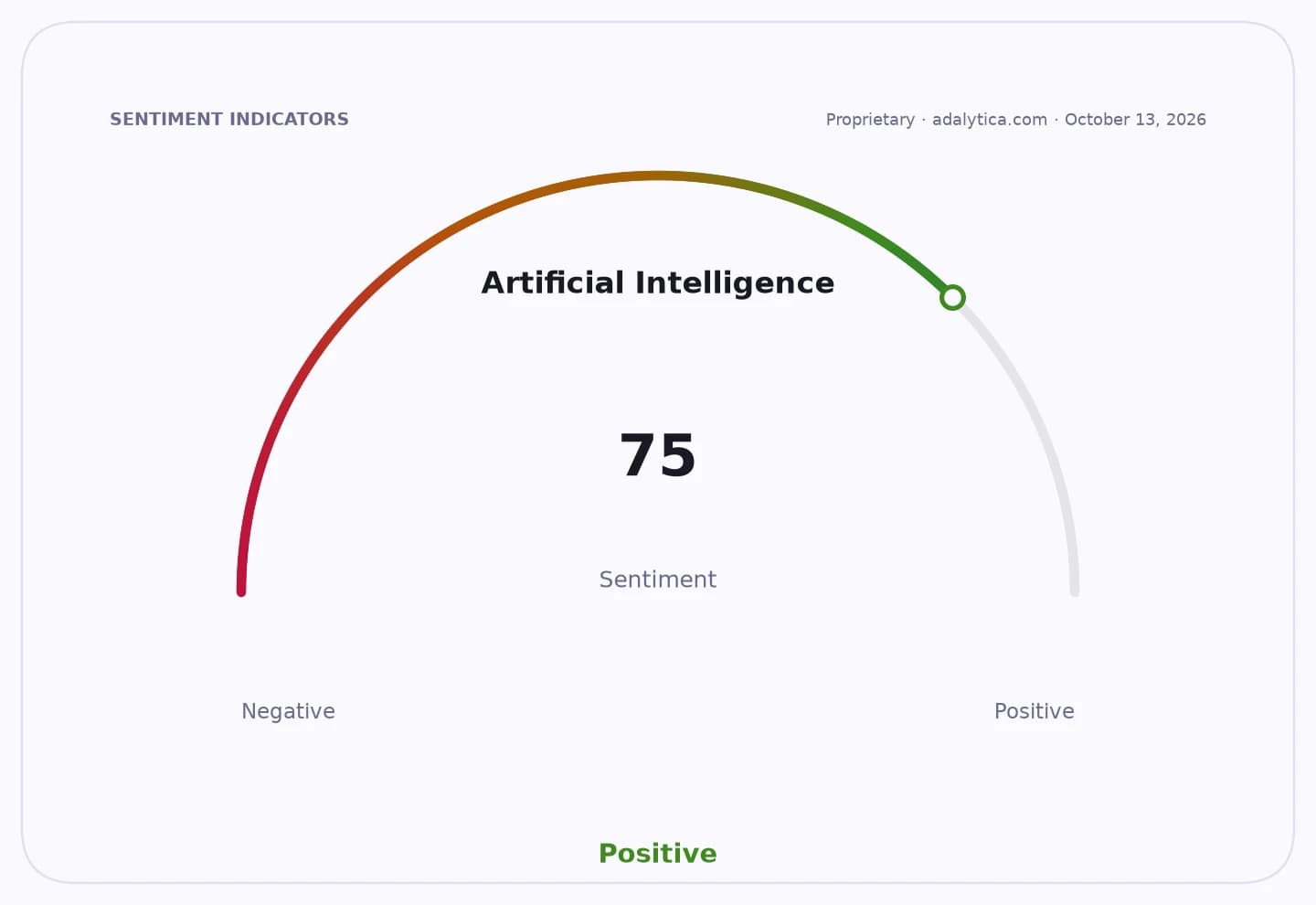
Sentiment IndicatorsⓘProprietary · adalytica.com · October 19, 2026
This is a snapshot — live sentiment, awareness and momentum for 130+ markets update continuously in the dashboard.Open AlphaPulse
Mebipha said planned capital spending and expansion have been pushed back as banks tighten credit limits and keep rates elevated, while Vietravel Chairman Nguyen Quoc Ky warned that some lenders are still charging corporate loan rates above 10%. He said companies are stuck between borrowing at painful rates or going without cash, a choice that can either depress profits or leave them short of operating funds.
The strain is most acute for smaller firms, which tend to have thinner cushions, weaker collateral and more trouble proving cash flow. Ky also said many companies have already been approved for credit but are still waiting on disbursement, raising questions over whether liquidity is being funneled toward public investment and larger priority projects instead of the broader business base.
Ho Chi Minh City’s banking regulator said credit had reached about 5.8 quadrillion dong, or roughly 11.4% above year-end 2025, and that banks had disbursed an additional 593.7 trillion dong in the first nine months, hitting 76% of the city’s 15% full-year credit-growth target. Even so, officials are warning that stronger lending volumes will not translate into growth unless the money reaches productive projects and businesses can actually absorb it.
The issue carries broader macro weight because Ho Chi Minh City is targeting GRDP growth above 10% in 2026, a goal that depends on lower financing friction and faster project execution. The central bank’s local arm said the priority is not just “enough capital,” but capital deployed to the right borrower, sector and time — a reminder that liquidity alone does not guarantee investment.
For investors, the message is twofold: banks may keep lending volumes high, but higher rates and slower disbursement can still squeeze corporate earnings, delay capex and weaken near-term consumption ahead of the holiday season. Consumer and retail names, along with travel and smaller industrial firms, are most exposed if borrowing costs stay elevated into the year-end spending peak.
The next test is whether regulators can speed land, planning and investment approvals, while banks keep rates stable and push funds to viable borrowers before demand peaks. If they cannot, the year-end funding squeeze could spill into slower sales, thinner margins and weaker 2026 growth momentum.
| Entity | Gains | Losses |
|---|---|---|
| Banks | ▲Higher lending yields | ▼Credit demand softness |
| Small and midsize firms | ▲Limited access to funding | ▼Margin pressure, delayed expansion |
| Consumers/holiday demand | ▲Better stocked shelves if credit flows | ▼Higher prices, weaker supply response |
| Ho Chi Minh City economy | ▲More credit if absorbed productively | ▼Slower project execution, lower growth |