Vietnam’s revised Housing Law is the biggest policy shift for apartment landlords in years, because it explicitly allows condominium units to be used for rental accommodation and removes a long-running legal gray area around short-term stays.
Vietnam Housing Law Opens Short-Term Apartment Rentals

The National Assembly approved the amendment on Nov. 21, and it takes effect on July 1, 2027. For apartment owners, that means short-term rentals are no longer being treated as an automatic violation of housing rules, so long as the unit is used for “renting to live in or for accommodation.” That matters because, under the previous framework, many building managers and condo boards treated Airbnb-style stays as illegal business activity and blocked owners from operating them.
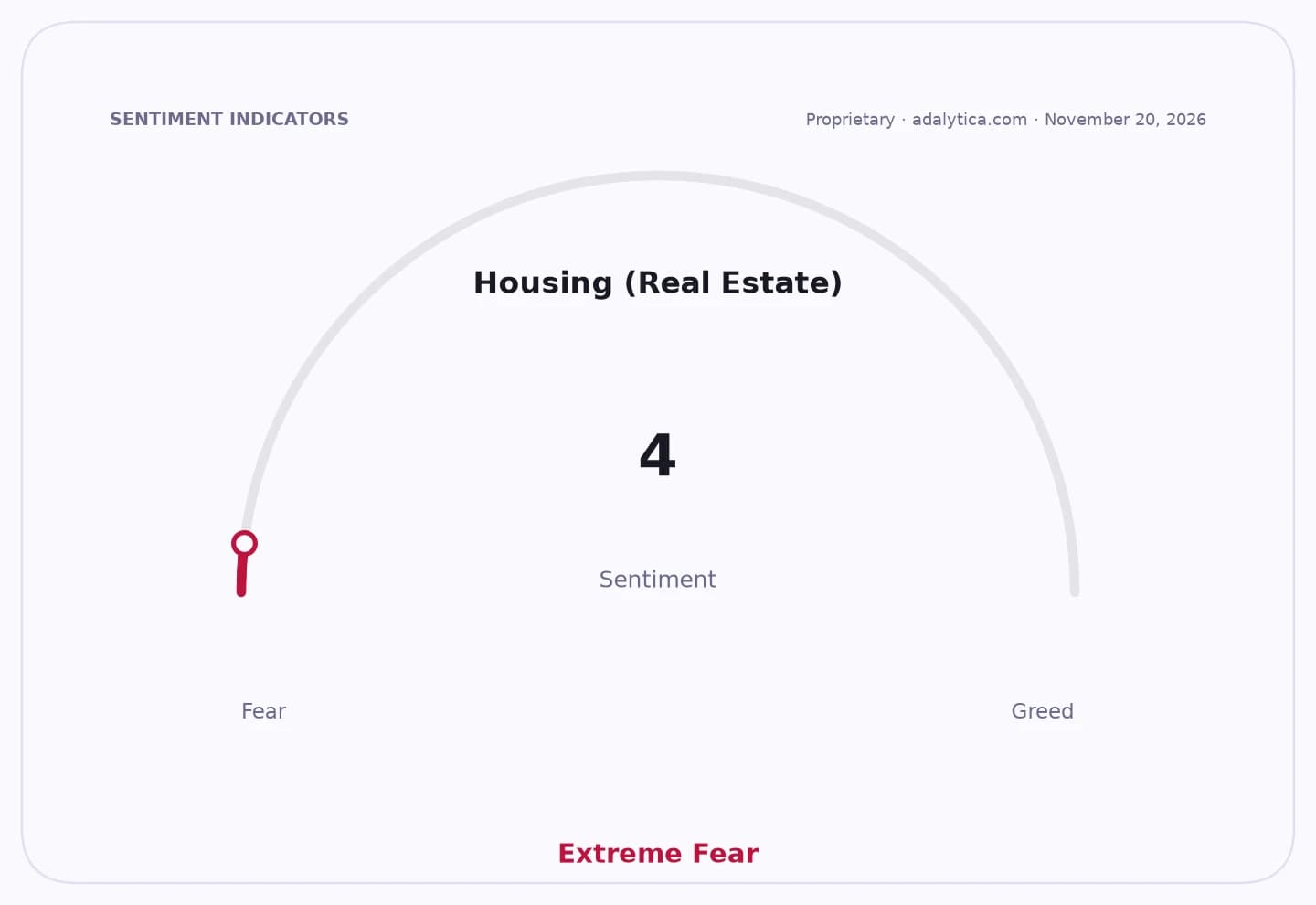
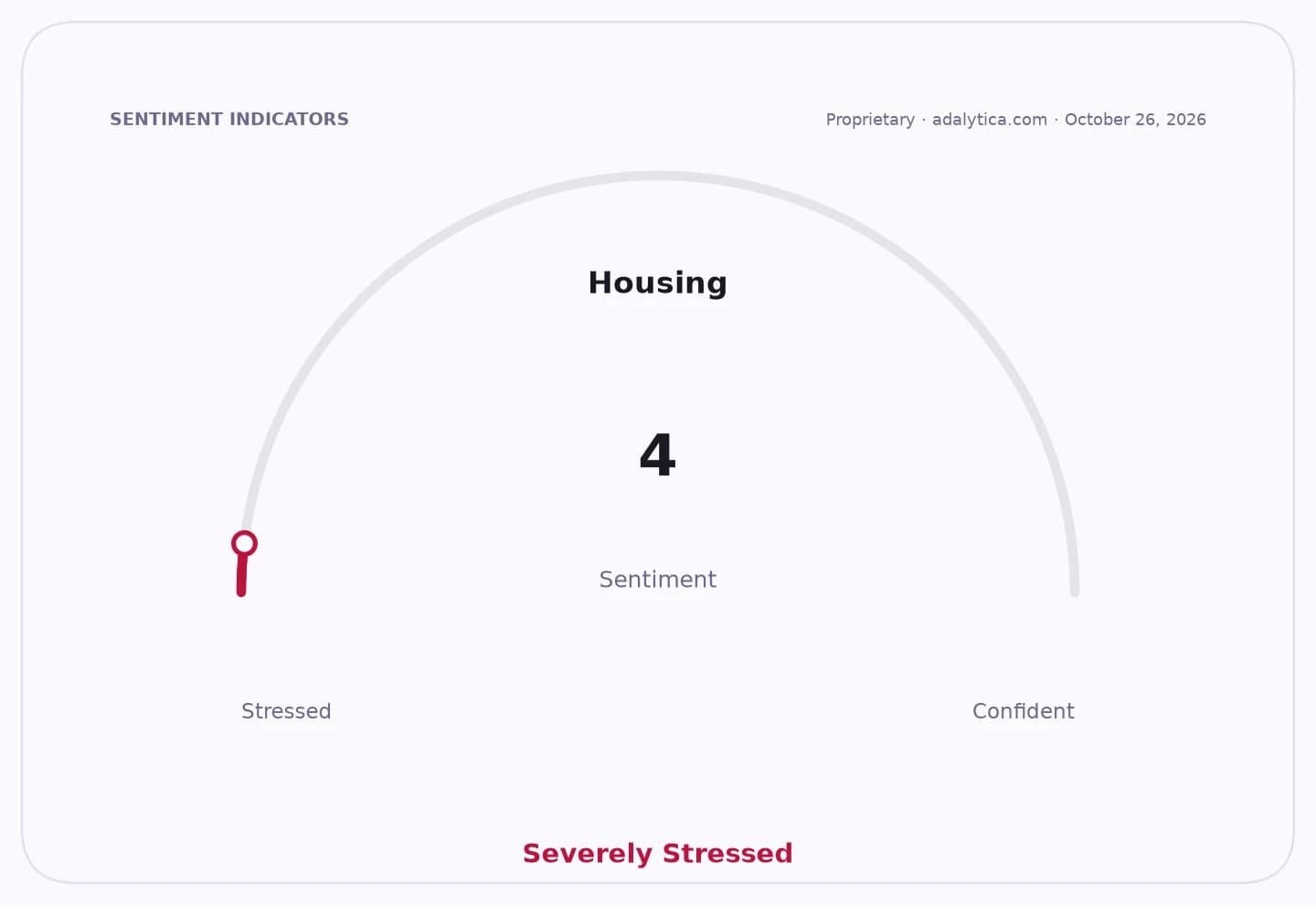
Sentiment Indicators
This is more than a property-law tweak. Vietnam is trying to turn tourism into a key economic engine, and the revised rule gives the country a faster way to add lodging capacity without waiting years for new hotels or resorts to be built. The law’s backers say the change can help tap hundreds of thousands of existing apartments to meet demand from domestic travelers and foreign visitors, while also supporting a national goal of 1.5 million lodging rooms by 2030.
For investors, the appeal is straightforward: clearer rules usually mean better capital allocation. Owners who were reluctant to invest in furnishings, security, and professional management now have a more defensible business model. That could lift demand for apartment upgrades, cleaning services, booking platforms and property management firms, while also creating a more investable, more transparent short-term rental market in Ho Chi Minh City, Hanoi and other major urban centers.
The policy does not give landlords a free pass. Officials and industry groups are already warning that the market will need tighter operating standards, including mandatory registration, fire-safety equipment, insurance and clearer building rules. Ho Chi Minh City has already moved to relax local restrictions, but the market still needs implementing decrees to settle exactly which buildings can participate and how guest management will work in practice.
That implementation will determine whether the law becomes a broad growth story or just a partial opening. If the government can balance resident concerns over noise, security and infrastructure with the income opportunity for owners, Vietnam could convert a contentious side-hustle market into a regulated lodging segment that supports tourism and urban housing yields for years to come.
| Entity | Gains | Losses |
|---|---|---|
| Apartment owners | ▲New legal rental income | ▼Old ban on short-term stays |
| Travelers and tourists | ▲More lodging choices | ▼Tighter informal supply |
| Hotels and resorts | ▲Clearer competition rules | ▼Monopoly on urban stays |
| Condo residents and managers | ▲Better regulation and safety standards | ▼More operational complexity |