Tens of thousands of Vilnius residents living in commercial or other non-residential buildings could face a sharper financial reckoning as local authorities and lawyers warn that the apparent bargain of a cheaper loft or office conversion may come with fines, higher property taxes and tighter lending terms.
Vilnius Loft Buyers Face Taxes and Fines
Housing
The issue matters because it sits at the intersection of housing affordability, municipal enforcement and the city’s push to regularize how people use converted buildings. In a market where non-residential property can be 10% to 30% cheaper than a comparable apartment, buyers are being drawn to lofts, studios and former industrial or administrative spaces as one of the few ways to gain a foothold in the capital’s strained housing market.
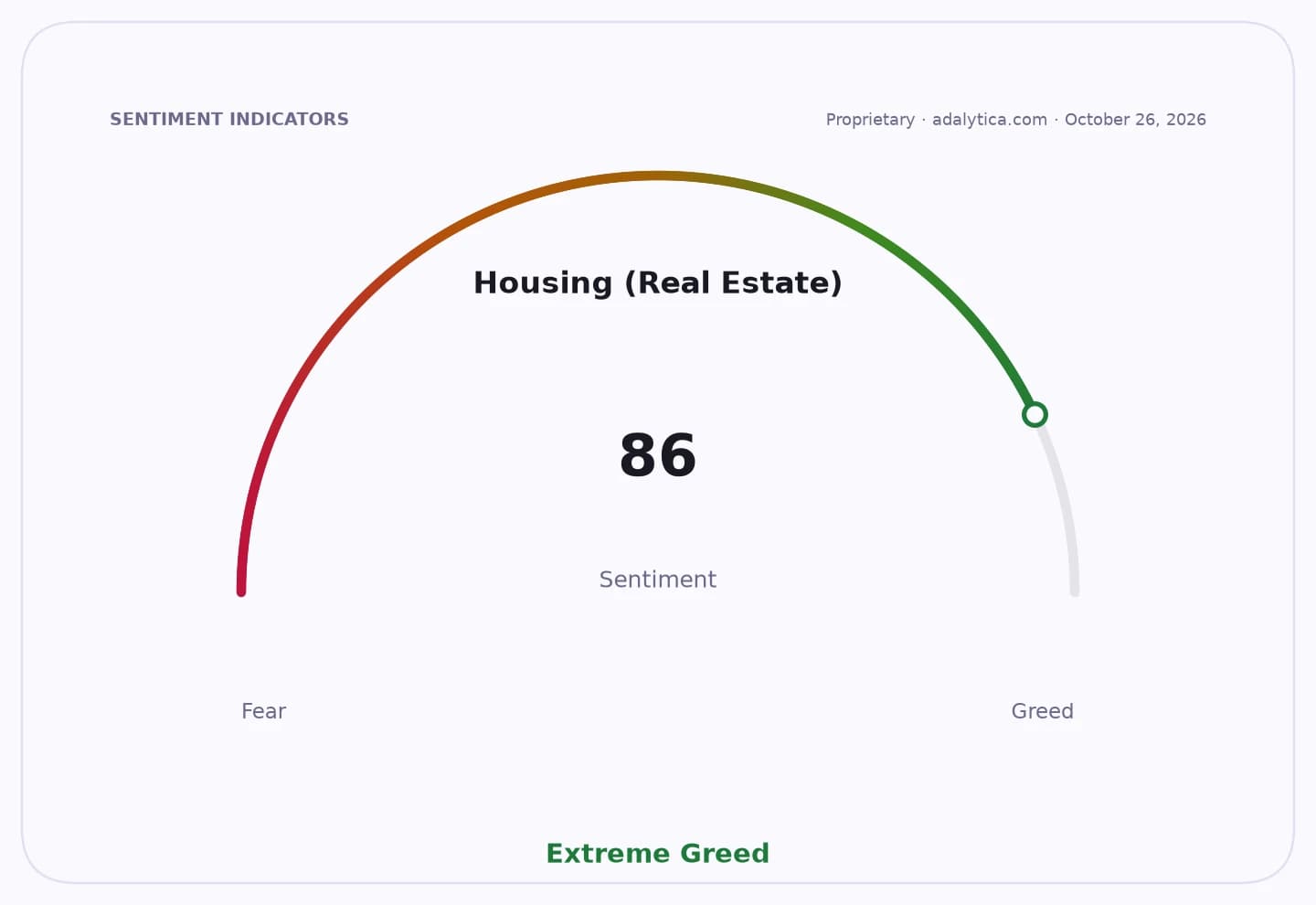
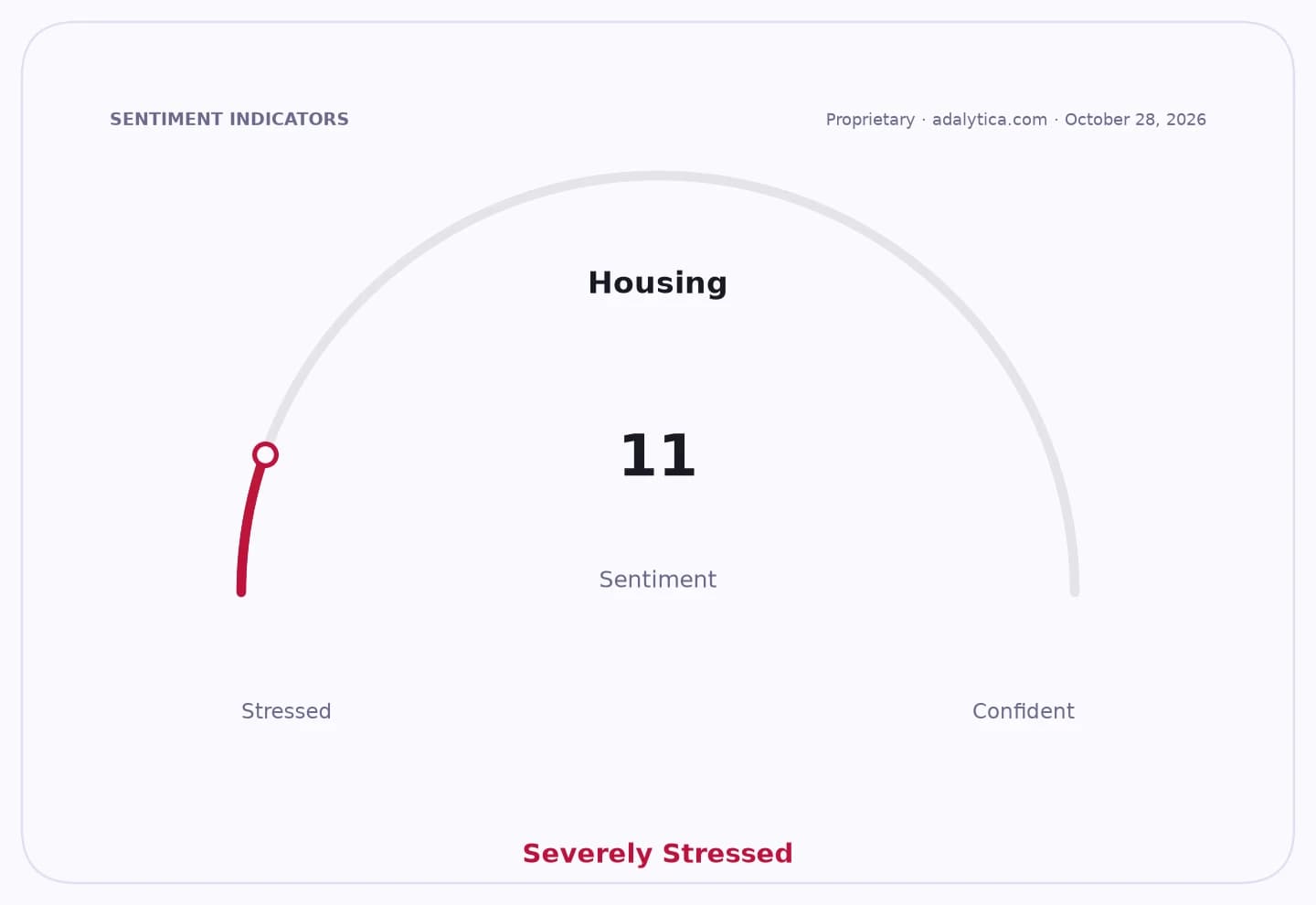
Sentiment Indicators
But Lithuanian law is clear: buildings must be used according to their designated purpose. Lawyers say violating that rule can lead to fines of 140 to 1,500 euros for individuals, rising to 200 to 3,000 euros for repeat offenses. For legal entities, penalties are substantially higher. In practice, though, enforcement is patchy. Kaunas said it issued three fines this year, while Vilnius says it acts mainly on complaints and does not systematically track how many people are living in unsuitable properties.
That weak enforcement helps explain why the market has persisted. Vilnius officials estimate that tens of thousands of people have declared their residence in non-residential premises, including lofts, hotel-type units, recreational spaces and garden-community properties. Developers have also used the model in new projects, especially where land zoning makes a full residential conversion difficult.
The bigger risk for households is not only administrative. New property tax rules can make an initially cheaper purchase more expensive over time. In Vilnius, administrative premises face a 0.8% annual rate, which would mean about 1,200 euros a year on a 150,000-euro loft. If the unit is classified as industrial, the bill could rise to 1,500 euros. And if the city deems the property to be used contrary to its designated purpose, the rate can reach 3%, pushing the annual tax to as much as 4,500 euros on the same property.
That changes the investment math. A buyer chasing a lower entry price may end up with a higher carrying cost than on a standard apartment, particularly once tax, financing and compliance risks are included. Banks generally prefer residentially designated homes and may demand larger down payments, often around 20%, for non-residential units that are nevertheless fit for permanent living.
The lending hurdle is important for the broader housing market because it narrows demand to cash-rich buyers or those able to pledge other property. That can limit resale liquidity and keep non-residential units trapped in a niche segment, even as they help address scarcity in a city where affordable housing remains in short supply.
There is also a policy tension. On one side, city hall wants to enforce planning rules and avoid unsafe or substandard living conditions. On the other, lawyers argue that mass penalties would fall most heavily on younger households and lower-income buyers using converted premises because they cannot afford traditional housing. That makes the Vilnius case a test of how far municipalities can enforce formal-use rules without worsening the affordability problem they are trying to manage.
For investors and homeowners, the message is straightforward: a lower sticker price on a loft or office conversion in Vilnius does not necessarily mean a lower total cost. The real value depends on whether the property can be regularized, whether the city will tolerate its use, and whether the buyer can absorb the tax and financing consequences if it cannot.
| Entity | Gains | Losses |
|---|---|---|
| Buyers of residential apartments | ▲Clearer legal status | ▼Higher upfront prices |
| Buyers of lofts/non-residential units | ▲Lower purchase price | ▼Higher tax and compliance risk |
| Vilnius municipality | ▲Stronger planning enforcement | ▼Affordability pressure remains |
| Banks | ▲Safer collateral profiles | ▼Smaller pool of eligible borrowers |