Lithuanians are still showing up in Spain’s property market, but the bigger investment story is that foreign demand is now crowding into one of Europe’s most popular housing destinations just as prices rise and rental returns thin out.
Spain housing market sees record foreign buying
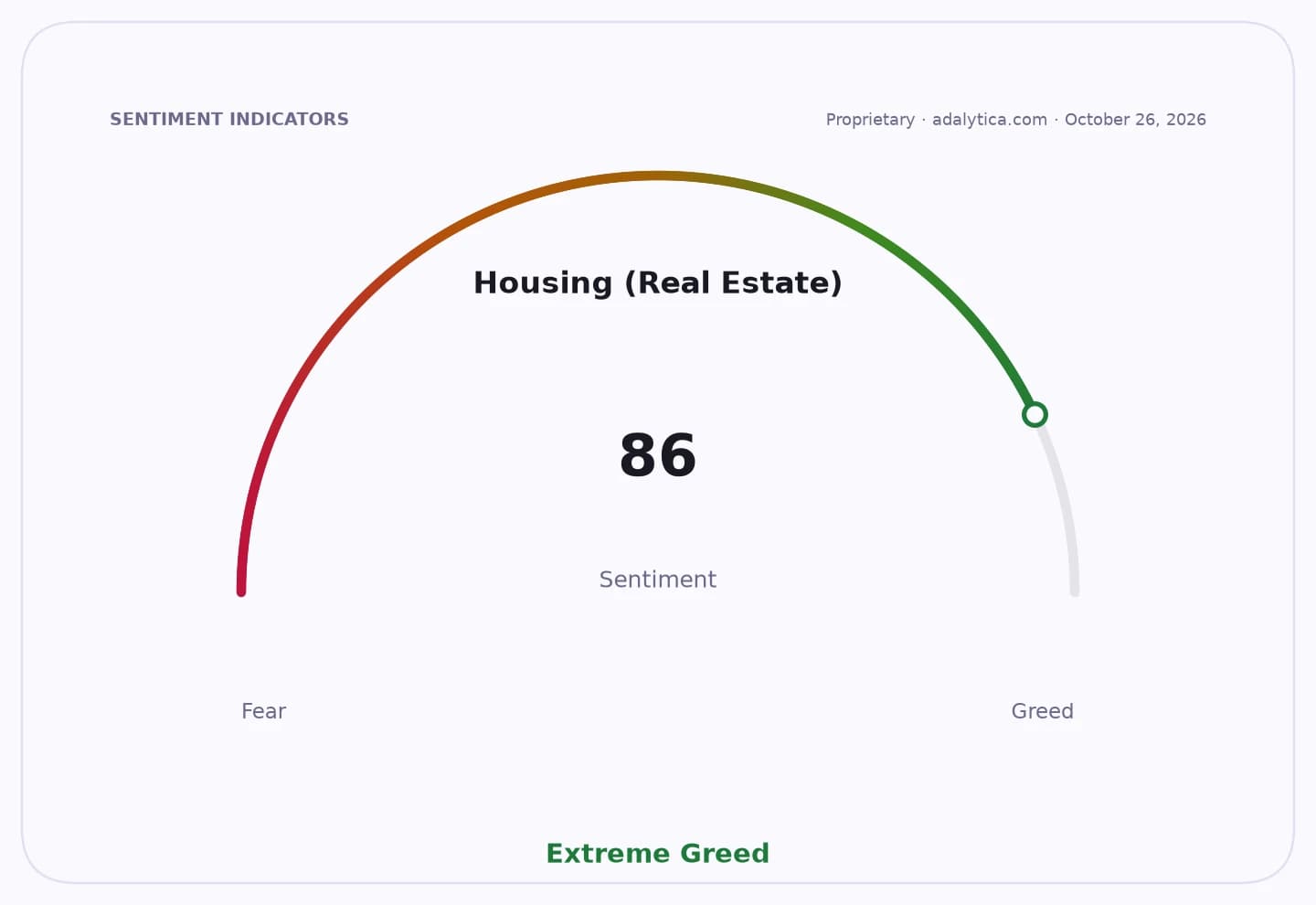
That matters because Spain has become a magnet for cross-border residential money at the same time the economics of owning there are getting less generous. In the first quarter, Lithuanian buyers accounted for 1.13% of all foreign home purchases in Spain, up from the previous quarter, or roughly 280 transactions based on the 24,791 homes foreigners bought overall. But the second quarter data show the broader trend: foreign buyers took 15.98% of all home sales in Spain, the highest share in the registries’ history, with more than 26,800 homes purchased by non-residents.
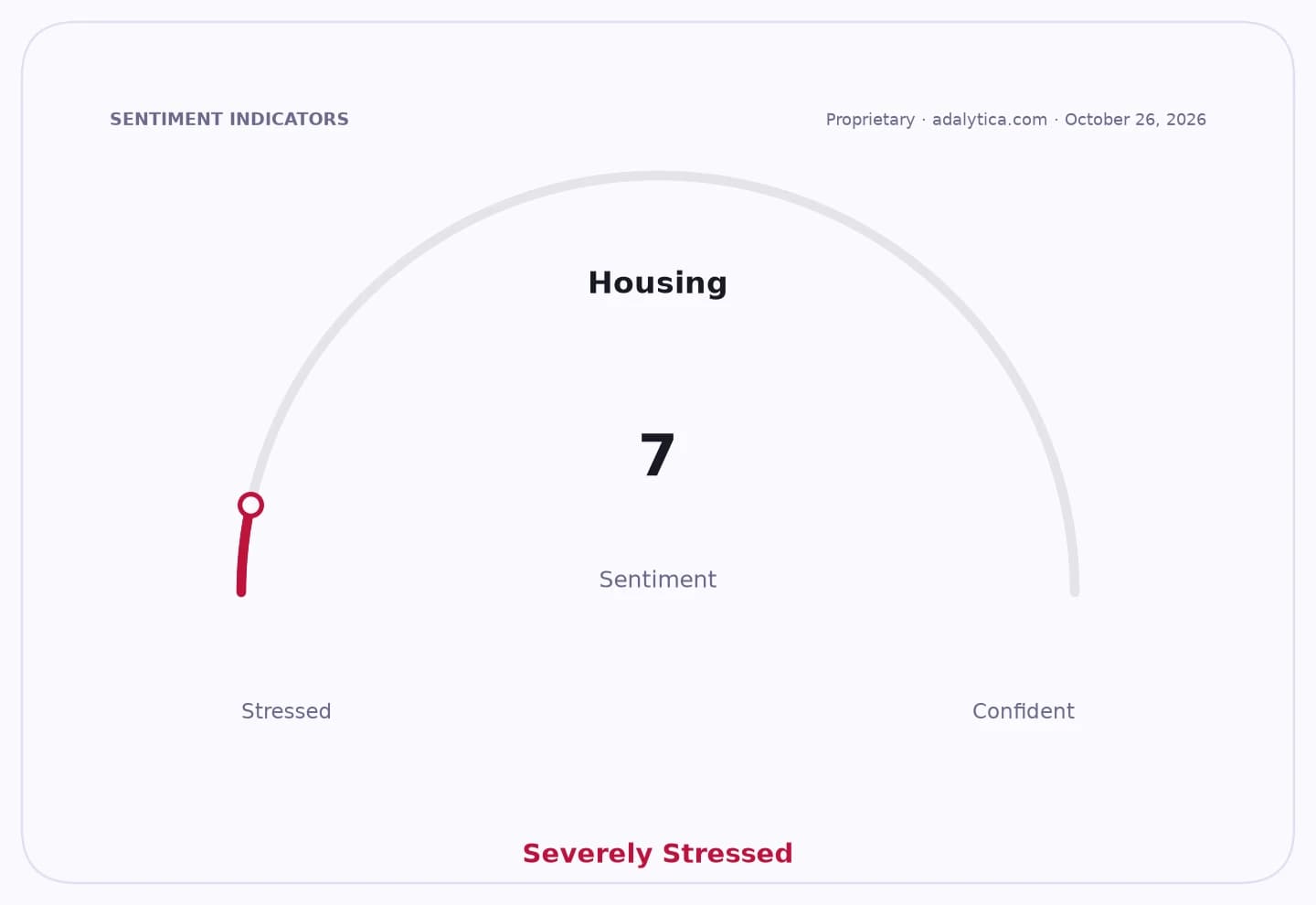
Sentiment IndicatorsⓘProprietary · adalytica.com · October 26, 2026
This is a snapshot — live sentiment, awareness and momentum for 130+ markets update continuously in the dashboard.Open AlphaPulse
For investors, the message is straightforward. Spain’s housing market still has a deep pool of overseas demand, but the easy-money phase is fading. When foreign participation reaches record levels, it tends to support prices first and yield last. That is exactly the backdrop now: homes are becoming more expensive while returns are decreasing, especially in the coastal and vacation-heavy markets that attract Lithuanian and Polish buyers.
The fact that Poles are in the lead underscores how broad the foreign-buyer base has become across Central and Eastern Europe. This is no longer a niche lifestyle trade for a handful of Western European and British purchasers. It is a wider capital-flow story, with households and investors from the region treating Spanish real estate as both a second-home market and a store of value. That keeps demand resilient even when financing costs and local affordability pressures bite.
The investable implication is that Spain’s listed property and housing-adjacent names may continue to benefit from transaction volume and price support, but the strongest upside may now sit in the infrastructure around the market rather than in outright home-price appreciation. Builders, brokers, lenders and rental-platform operators can still ride the flow, while pure residential buyers face slimmer spread between purchase prices and cash yields.
Our thesis is that the market underestimates how much foreign demand can keep Spain’s housing market firm even as the return profile deteriorates. That creates a classic late-cycle real-estate setup: prices remain supported by international capital, but prospective returns are compressed. For investors, that argues for selectivity, not broad enthusiasm.
| Entity | Gains | Losses |
|---|---|---|
| Polish buyers | ▲Largest foreign-buyer presence | ▼Lower rental yields |
| Lithuanian buyers | ▲Continued access to Spain homes | ▼Higher entry prices |
| Spanish home sellers | ▲More foreign demand | ▼Pressure from affordability backlash |
| Housing investors | ▲Transaction volume and price support | ▼Shrinking returns |