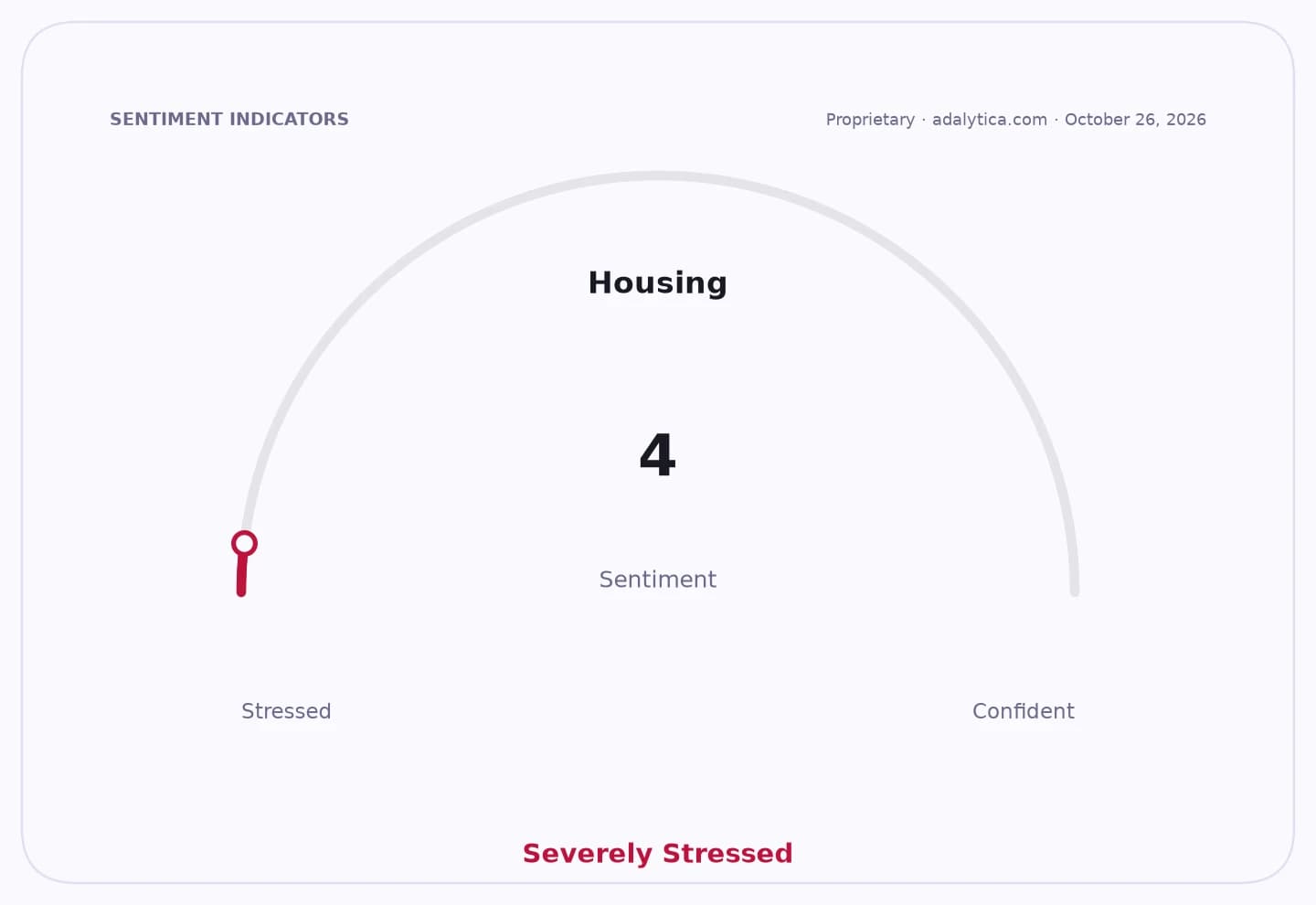
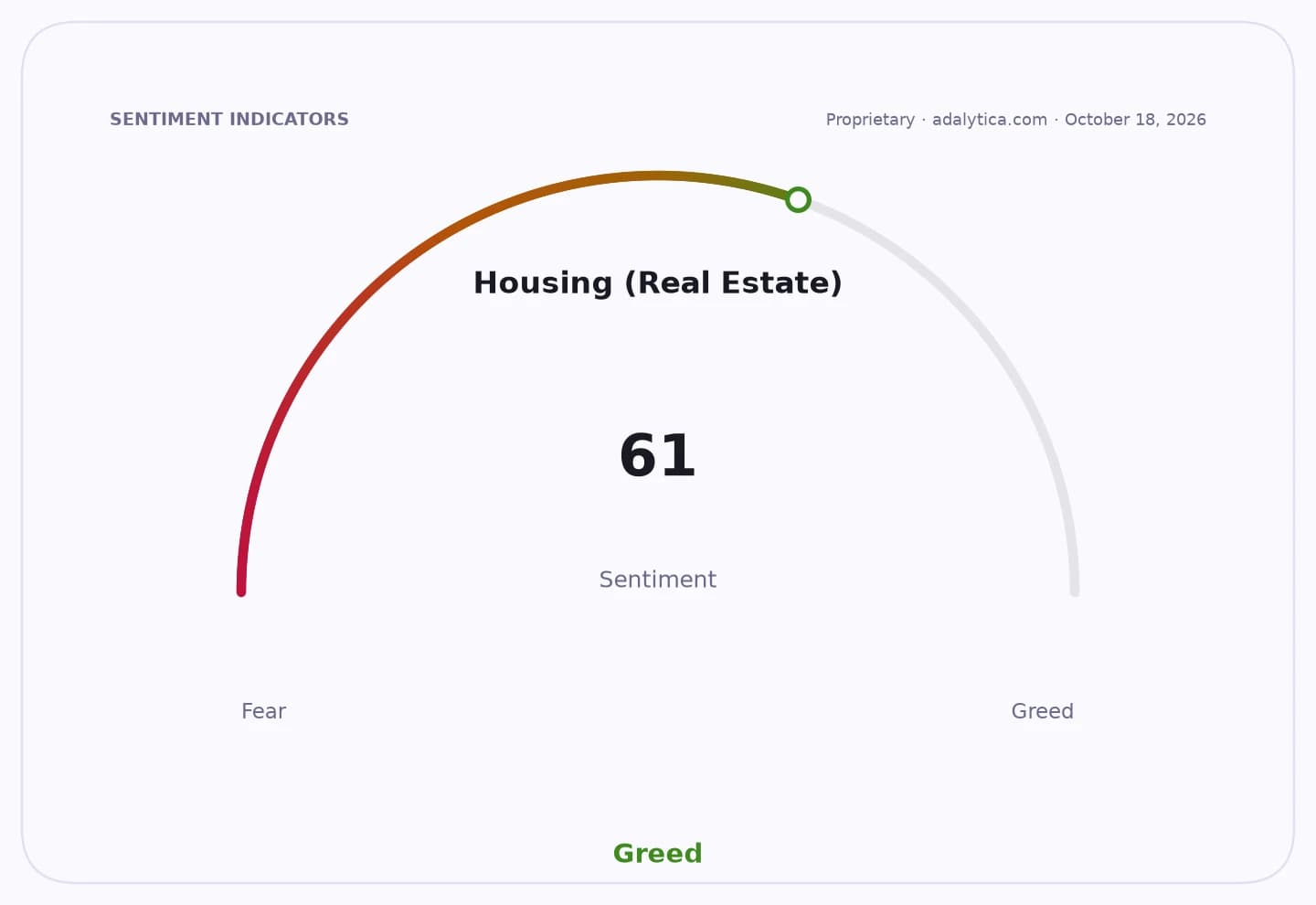
Annual house price inflation in the UK slowed to 0.9% in August, the weakest pace since March, underscoring a housing market that is losing price momentum even as rents remain stubbornly high.
UK house price inflation slows to 0.9% in August
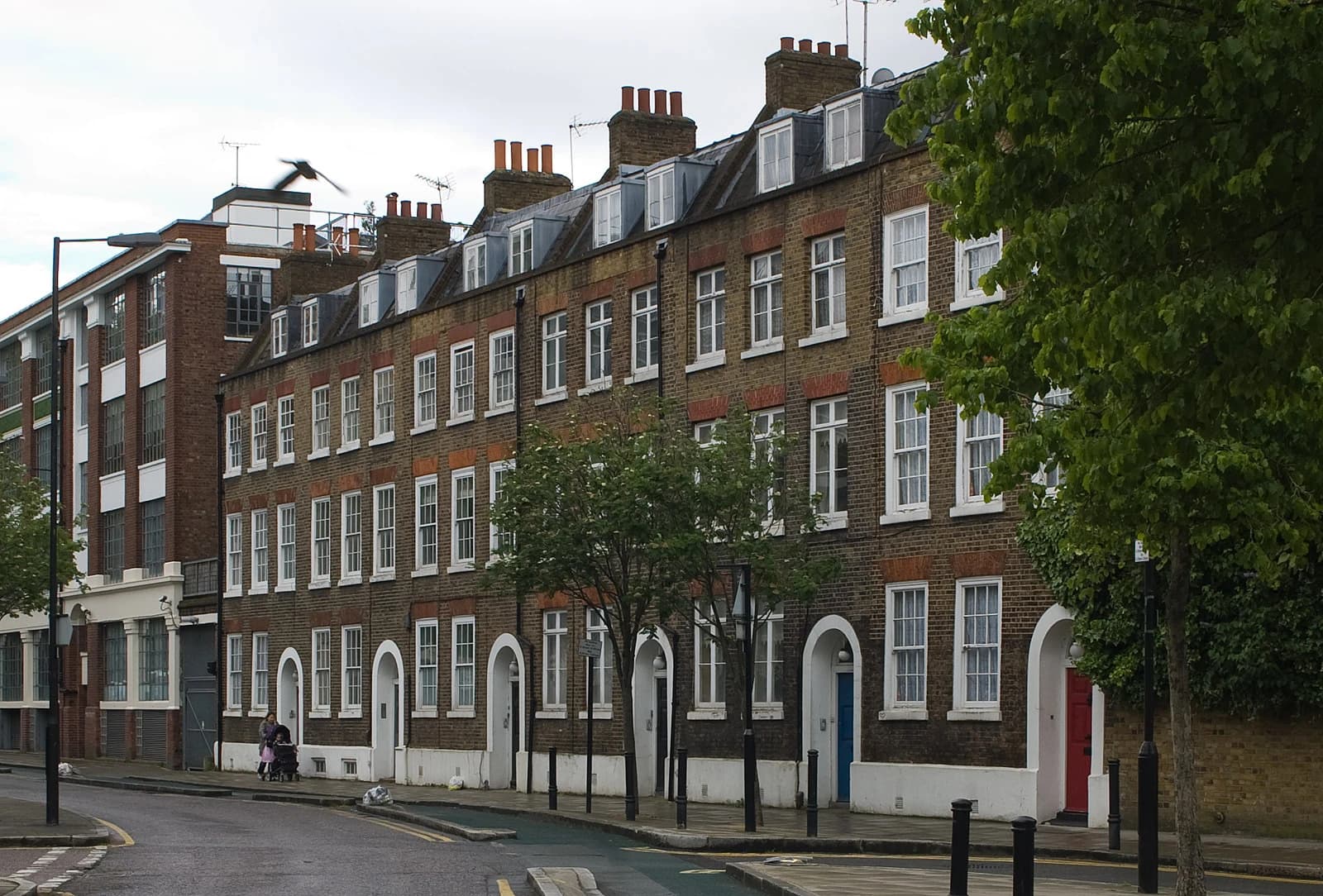
That matters because housing is one of the clearest gauges of household confidence, mortgage demand and the transmission of higher borrowing costs through the economy. A 0.9% annual increase, down from 1.2% in July, suggests sellers are still absorbing the hit from expensive financing rather than passing it on in full. For the Bank of England, that kind of softness in house prices reinforces the view that policy is still restraining domestic demand, even if it has not yet crushed it.
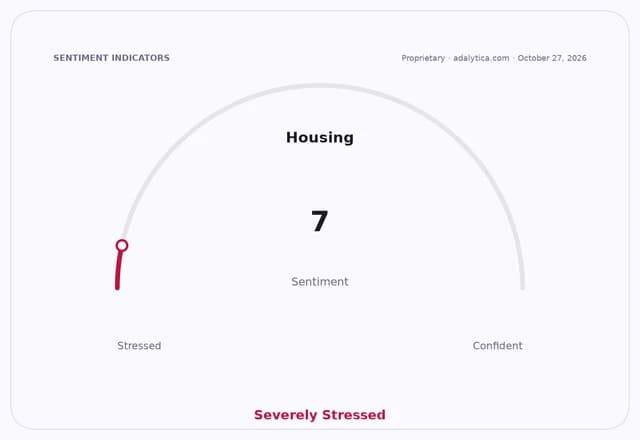
The data also points to a market split that investors should not ignore. House prices are cooling, but rents rose 3.8% in September from a year earlier, matching August and marking the joint-strongest pace since December. That divergence tells you affordability pressures have not disappeared — they have shifted from ownership to renting. With would-be buyers still squeezed by mortgage rates and deposit hurdles, rental demand remains elevated, keeping cash flow firmer for landlords and residential property owners than broad house-price trends might imply.
For sterling and UK rate expectations, the message is slightly dovish at the margin. UK housing weakness does not by itself force a policy pivot, but it supports the case that the economy is still digesting restrictive rates. In markets, that typically helps longer-duration assets and rate-sensitive sectors more than it helps lenders and transaction-driven housing plays. It also keeps pressure on construction, homebuilders and mortgage-related volumes until financing conditions ease.

The investment implication is that this is less a story about collapsing housing than about normalization after an overheated period. The market underestimates how long elevated rents can persist even as prices flatten, which is why selective exposure to rental-linked real estate can outperform outright home-price beta. If mortgage costs ease into next year, the first beneficiaries will likely be transaction volumes and sentiment, not an immediate re-acceleration in prices.
| Entity | Gains | Losses |
|---|---|---|
| UK renters | ▲Limited housing supply support | ▼Higher monthly costs |
| Landlords / rental REITs | ▲Strong rent growth | ▼Affordability scrutiny |
| Homebuyers | ▲Better negotiating power | ▼Still-high mortgage costs |
| Homebuilders / brokers | ▲Potential future volume rebound | ▼Slower near-term sales |