UK house prices were unchanged in September, underscoring how Britain’s housing market is absorbing higher borrowing costs without a sharp correction, even as buyer caution keeps activity subdued.
UK house prices flat in September, Lloyds says
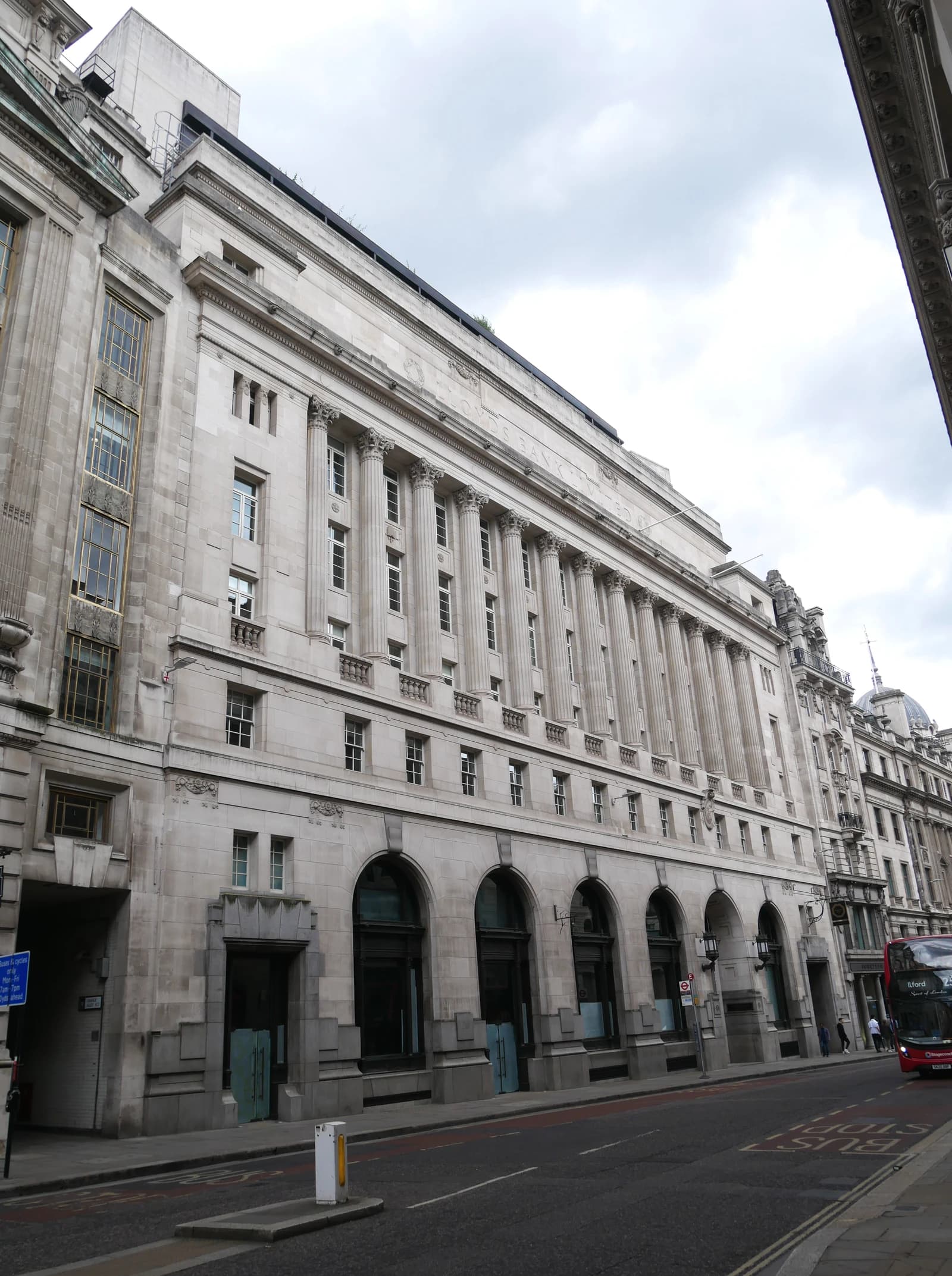
The Lloyds house price index showed prices flat on the month after a 0.3% fall in August, while annual growth also held at zero after a 0.4% decline the previous month. The average property price edged up to £298,441 from £298,395 in August, a reminder that nominal values remain close to record levels despite the strain from mortgage rates that are still well above the ultra-low levels seen in recent years.
Sentiment IndicatorsⓘProprietary · adalytica.com · October 8, 2026
This is a snapshot — live sentiment, awareness and momentum for 130+ markets update continuously in the dashboard.Open AlphaPulse
For policymakers and investors, the key question is not whether the market is softening, but whether it is softening in an orderly way. Housing is one of the UK economy’s most interest-rate-sensitive sectors, and the absence of outright price weakness suggests that higher Bank of England rates have cooled demand more than they have damaged balance sheets. That matters because a stable housing market helps limit the risk of a broader consumer retrenchment, supporting household wealth, transaction volumes and the banking system’s mortgage book.
The regional split shows the market is being driven by affordability rather than a single national trend. Northern Ireland remained the strongest market, with annual price growth accelerating to 7.4% from 6.8%, while Greater London recorded the steepest annual decline at 2.2%. That divergence reflects a familiar pattern: lower-priced regions continue to benefit from tighter supply and relative affordability, while expensive markets are more exposed to mortgage-rate sensitivity and stretched deposit requirements.
Andrew Asaam, Lloyds’ mortgages director, said the market had been “fairly subdued” but resilient, with expectations for the Bank Rate path helping to support prices. He also pointed to household spending holding up better than expected despite energy and other cost pressures linked to the Middle East conflict. That links the housing story to the wider macro backdrop: if consumers stay resilient, forced selling stays limited, and house prices can plateau rather than fall sharply.
For investors, the message is mixed. Banks such as Lloyds benefit if housing remains stable enough to sustain mortgage demand and keep arrears contained, but not so hot that policymakers are forced to keep rates restrictive for longer. Homebuilders and estate agents will likely welcome the return of prospective buyer enquiries to their highest since February, though Lloyds itself said any price moves are likely to remain modest. That points to a market in which transaction volumes may recover before prices do.
The near-term outlook now hinges on confidence, not just rates. If consumers conclude that the latest cost-of-living pressures are temporary, housing demand can hold up into year-end and support the market’s current equilibrium. If not, the sector may remain stuck in a low-volume, low-volatility pattern that is good for stability but poor for growth.
| Entity | Gains | Losses |
|---|---|---|
| UK homeowners | ▲Stable valuations | ▼Limited price upside |
| Buyers / first-time buyers | ▲More negotiating power | ▼Higher mortgage costs |
| Lloyds and banks | ▲Resilient mortgage book | ▼Slower fee and lending growth |
| London sellers | ▲Potentially weaker pricing | ▼Affordability pressure |