Irish homebuilder Glenveagh Properties is leaning harder into the mid-market because affordability is now the real ceiling in the housing market, and that matters for both the company’s growth and the broader pace of Irish homebuilding.
Glenveagh Properties Shifts Toward Mid-Market Homes

The message behind the shift is straightforward: buyers can no longer stretch much further, so the most resilient demand is moving toward homes priced for the middle of the market rather than the top end. For investors, that is important because it can define who keeps selling homes in a tighter consumer environment and who gets left chasing a thinner pool of buyers.
Sentiment IndicatorsⓘProprietary · adalytica.com · September 13, 2026
This is a snapshot — live sentiment, awareness and momentum for 130+ markets update continuously in the dashboard.Open AlphaPulse
Housing demand is still there, but it is increasingly constrained by household budgets, higher borrowing costs and the long-running gap between wages and house prices. That puts a premium on builders that can deliver product at a price point large enough to attract buyers, but not so expensive that affordability falls apart. In other words, the competitive advantage is shifting from simply having land to having the right land, the right planning pipeline and the ability to control costs.
For Glenveagh, a move deeper into the mid-market could help smooth volumes and support long-term earnings if Ireland’s housing shortage continues to underpin demand. It also suggests the premium end of the market is getting harder to grow into, which can matter for margins if buyers resist further price increases. The company is essentially betting that steady turnover in the middle will prove more durable than trying to squeeze more value from a market that is already price-sensitive.
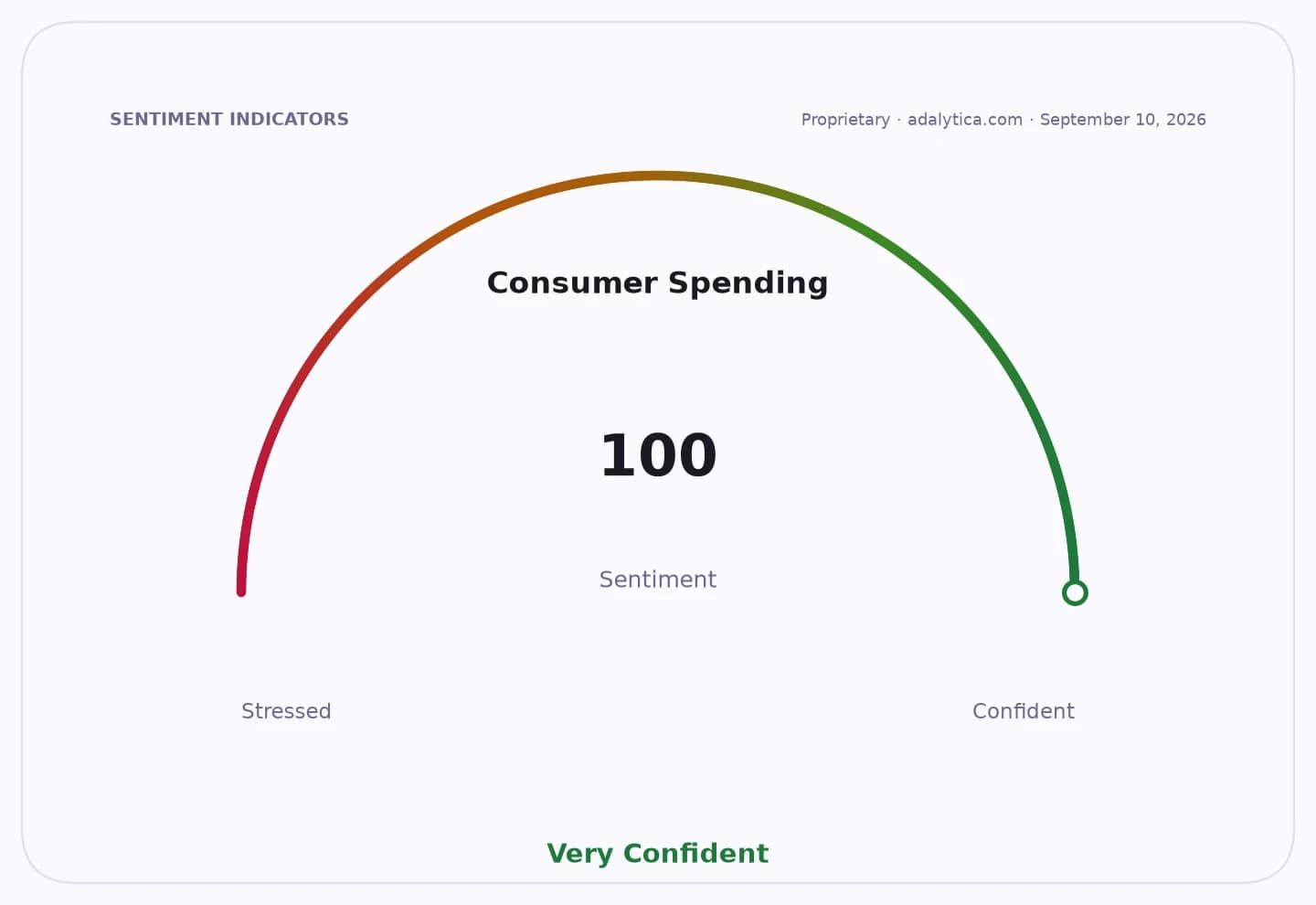
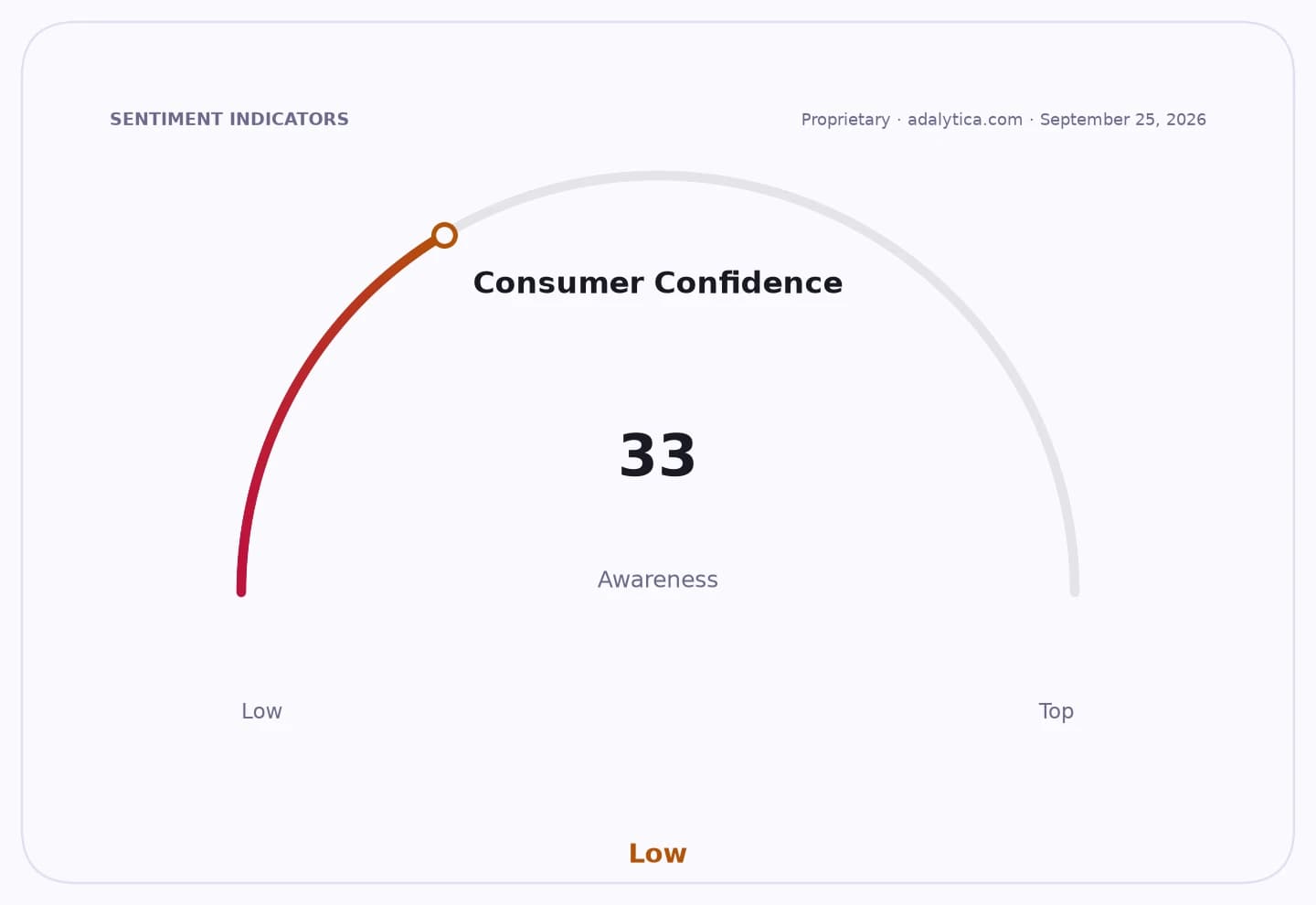
That backdrop fits a broader consumer picture that looks shaky even if headline spending appetite appears energetic. Adalytica’s Consumer Spending Sentiment gauge shows “Extreme Greed,” while its Retail Goods Spending sentiment is in “Extreme Fear” and consumer confidence remains in “Fear.” For a housing builder, that mix is telling: people may still want to spend, but on big-ticket goods and homes they are drawing the line sooner.
Investors should see Glenveagh’s repositioning as a classic long-term housing story rather than a quick trade. If Irish supply remains tight and demand stays anchored by demographics and underbuilding, the builders that can consistently serve the middle of the market should be the ones best placed to compound earnings over several years. But the risk is equally clear: if affordability worsens again, even the mid-market can get stretched.
For now, Glenveagh looks like a stock worth watching for investors who want exposure to Ireland’s housing shortage without betting on luxury demand holding up. The real question is not whether people need homes. It is which builders can still sell them at prices buyers can actually afford.
| Entity | Gains | Losses |
|---|---|---|
| Glenveagh Properties | ▲steadier mid-market demand | ▼luxury-price exposure |
| Irish homebuyers | ▲more affordable options | ▼top-end buyers |
| Competitor builders | ▲less if mispriced | ▼if they chase premium homes |
| Long-term investors | ▲durable housing exposure | ▼short-term margin pressure |