A growing share of Spain’s young adults are putting homeownership ahead of travel and leisure, underscoring how steep prices and weak savings capacity are reshaping consumer behavior and keeping the housing market locked in place.
Spain Young Adults Prioritize Home Saving

Nearly half of Spaniards aged 26 to 34, or 49.7%, say saving to buy a home is their top financial goal, according to a Sigma Dos survey for developer Culmia. That compares with 18.8% who would rather spend on travel and 18.1% who prefer covering everyday expenses and enjoying leisure without a specific savings target.
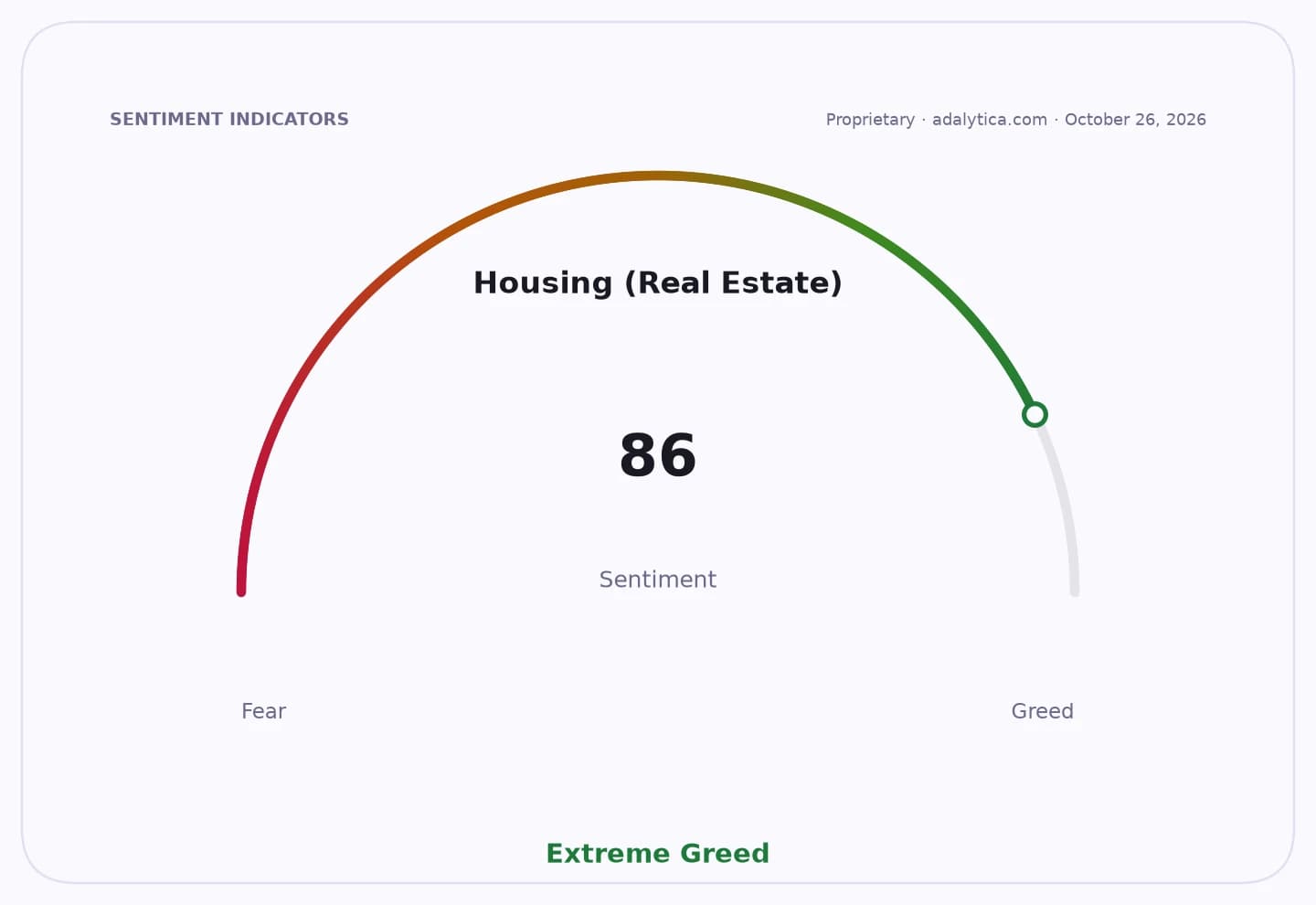
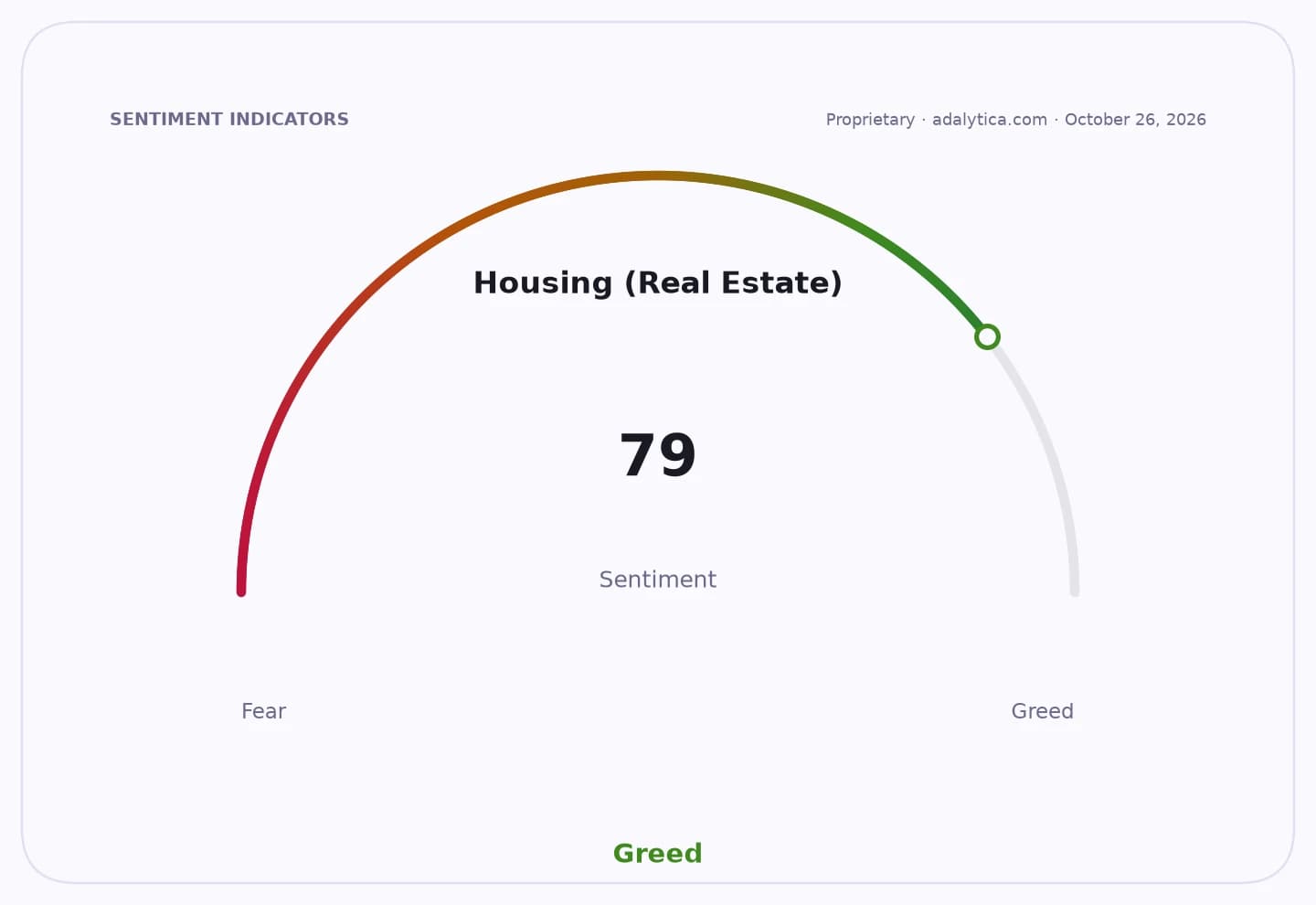
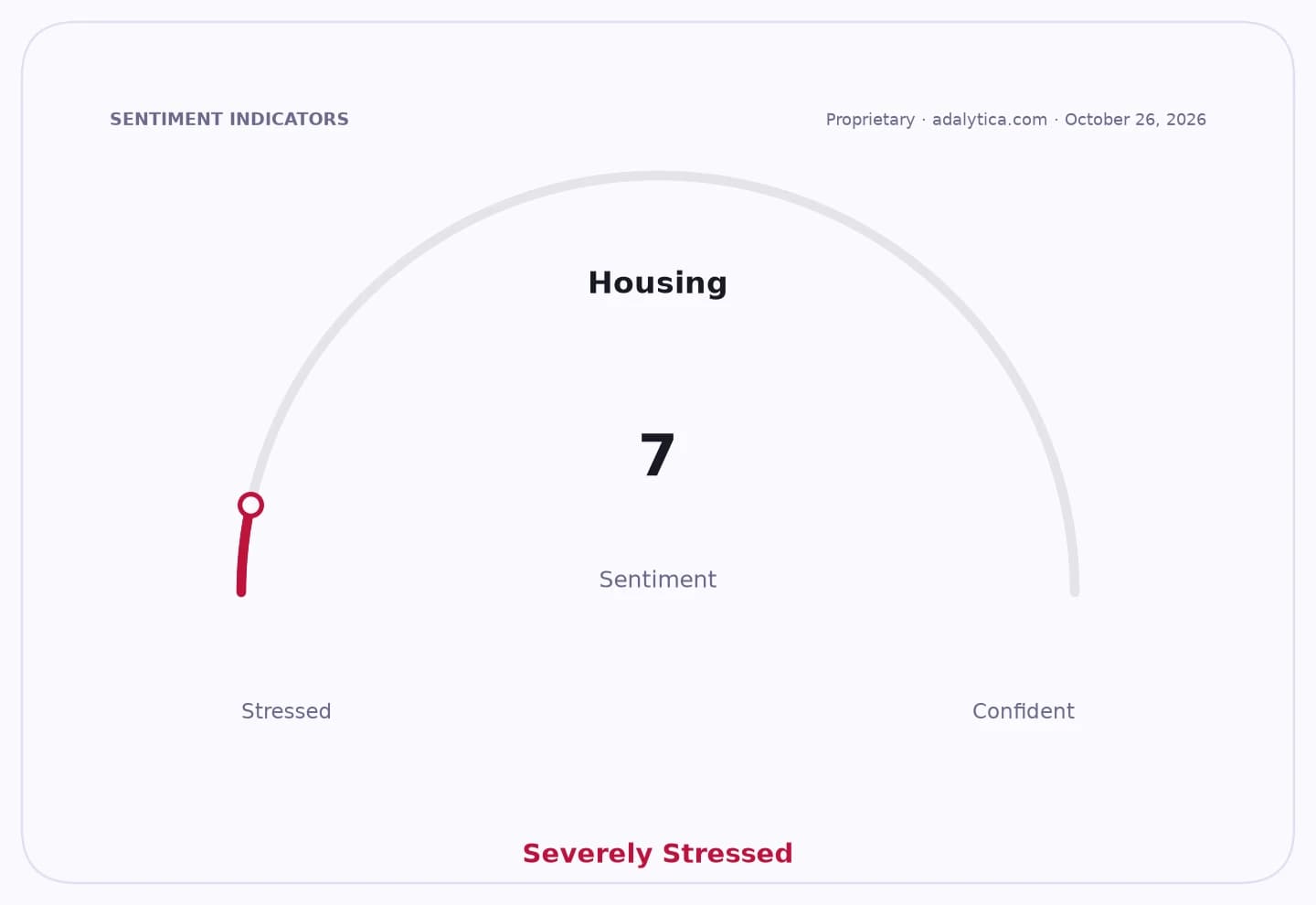
Sentiment IndicatorsⓘProprietary · adalytica.com · October 27, 2026
This is a snapshot — live sentiment, awareness and momentum for 130+ markets update continuously in the dashboard.Open AlphaPulse

The split matters economically because it shows demand for housing has not faded even as affordability has deteriorated. Buyers are still oriented toward property, but many cannot get there quickly enough: 63.2% of those in the 26-to-34 group cite high prices as a major barrier, while 34.2% point to low savings capacity, more than double the 15.2% seen across the full sample.
The pressures help explain why Spain’s housing market remains constrained despite persistent demand. The study suggests the main bottleneck is not interest in buying, but the gap between aspiration and the cash needed for a down payment, fees and other closing costs. That dynamic tends to delay first-time purchases, weaken transaction volumes and keep pressure on rents as would-be owners stay in the rental market longer.
Older Spaniards show the opposite pattern. Among those over 65, travel and life experiences rank first at 35.3%, while just 17.8% prioritize buying a home. In the 35-to-44 group, though, home saving still leads at 40.6%, and it remains the top choice for 33.1% of those aged 45 to 54.
The finding also points to a market for subsidized and lower-cost housing solutions. Seven in 10 young adults said they have considered affordable housing or state-supported options, with 30.3% saying they would actively consider it. Direct assistance for the purchase or down payment is the most valued measure at 34.2%, followed by mortgage subsidies or lower rates at 25.7% and rent-to-own arrangements at 23.4%.
For investors, the message is twofold: housing demand is durable, but affordability is capping how fast it converts into sales. That helps support developers focused on entry-level and affordable homes, while making policy support, cheaper financing and faster land development key catalysts for any near-term rebound in activity.
| Entity | Gains | Losses |
|---|---|---|
| Affordable homebuilders | ▲Higher demand for low-cost stock | ▼Pricing power on premium homes |
| First-time buyers | ▲More policy attention and subsidy options | ▼Ability to save for down payments |
| Spanish developers | ▲Potential volume from affordable supply | ▼Margins from affordability concessions |
| Travel and leisure spending | ▲Later-life demand from older consumers | ▼Share of young household budgets |