Getting a mortgage at Family Bank will soon cost more for Kazakhstanis taking out larger housing loans, a change that hits the country’s most expensive borrowers while leaving the vast majority of customers untouched.
Family Bank raises mortgage fees for large loans
The bank said it will raise the maximum one-time commission on pre- and interim housing loans from 300,000 tenge to as much as 1 million tenge, depending on the size of the mortgage, starting Oct. 31 for applications accepted after that date. For loans of up to 50 million tenge, the fee stays capped at 300,000 tenge. Above that threshold, the ceiling rises to 500,000 tenge for loans between 50 million and 100 million tenge, and to 1 million tenge for loans above 100 million tenge.
For investors, the significance is less about the fee itself than what it says about housing finance in Kazakhstan: lenders are still willing to provide generous funding, but they are also looking for ways to preserve profitability as larger mortgages become more common and funding costs remain a consideration. A one-time commission is a small part of the total life of a mortgage, yet it can meaningfully affect the affordability of high-balance loans and the economics of originating them.
Family Bank said 92% of borrowers take loans of 50 million tenge or less, which means most customers will see no change in the maximum fee. That is important for political and commercial reasons alike. The bank is effectively targeting a narrow slice of borrowers rather than broadening costs across the mass market, reducing the risk of a backlash while extracting more revenue from bigger-ticket lending.
The structure of these loans also matters. Pre- and interim housing loans can finance up to 100% of a home’s value, but customers must already have accumulated savings equal to half the property price. That makes the product attractive for households building toward ownership, while also signaling that this is not a pure subprime-style expansion of credit. It is a controlled pathway into homeownership, and the new pricing suggests the bank wants a better return on the larger end of that business.
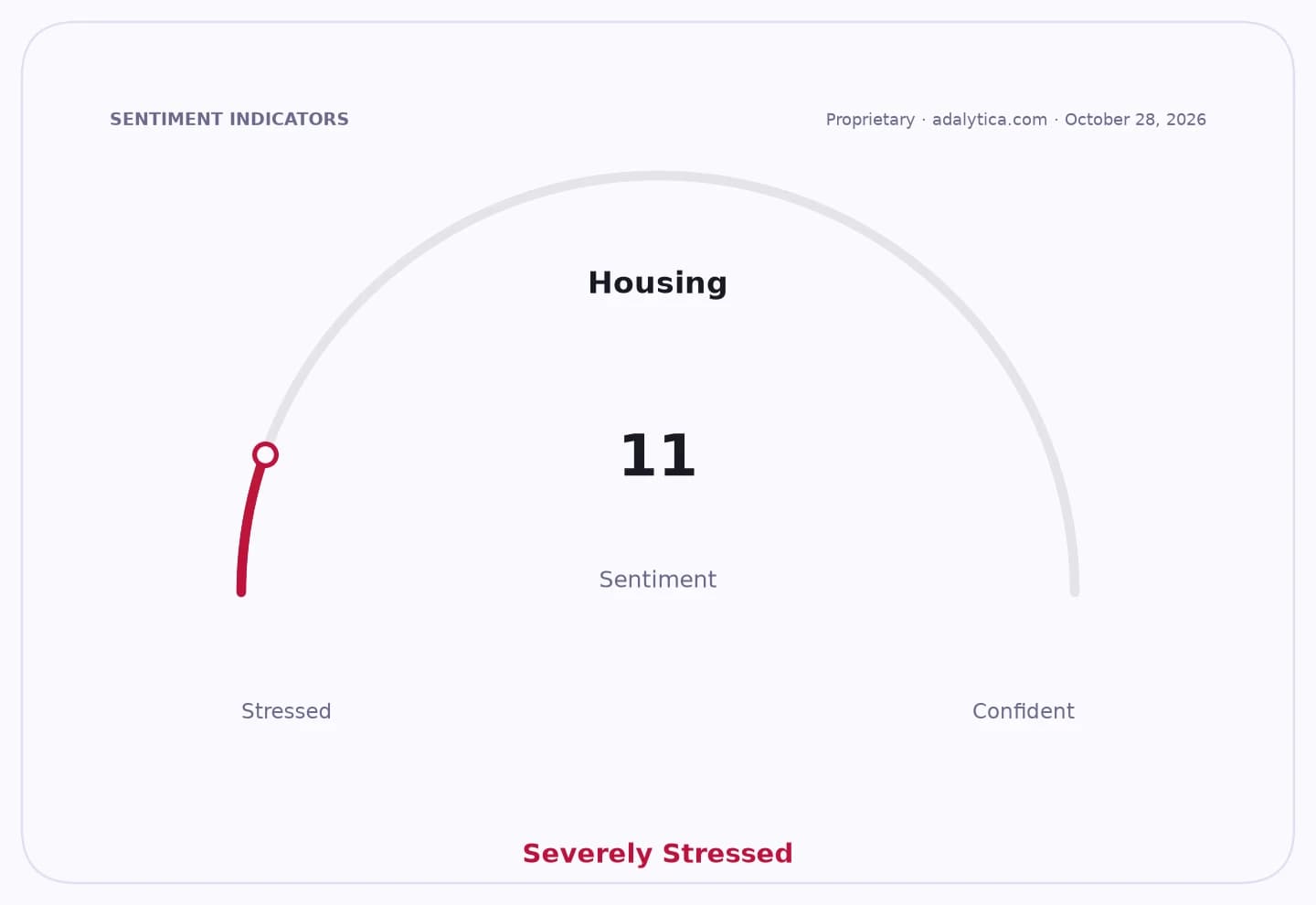
The timing is also telling. The new tariff applies only to applications accepted after Oct. 31, and existing loans will not change. Government-backed housing programs are exempt from the fee, meaning the state’s subsidized mortgage channels remain the cheaper route for eligible buyers. In a market where housing stress is rising and policymakers are trying to keep credit accessible, that split between commercial and supported lending is likely to remain central.
For long-term investors, the takeaway is straightforward: housing finance in Kazakhstan is still expanding, but lenders are becoming more selective about how they price risk and complexity. Bigger borrowers will pay more, while the core mass market stays protected. That makes the bank’s move worth watching as a sign of where mortgage economics are heading, not just in Kazakhstan but across markets where housing affordability and lender discipline are colliding.
| Entity | Gains | Losses |
|---|---|---|
| Family Bank | ▲Higher fee income | ▼Potential borrower pushback |
| Large mortgage borrowers | ▲Faster access to large loans | ▼Higher upfront costs |
| Mass-market borrowers | ▲No fee change | ▼Limited benefit from new pricing |
| State-backed programs | ▲Relative price advantage | ▼None |