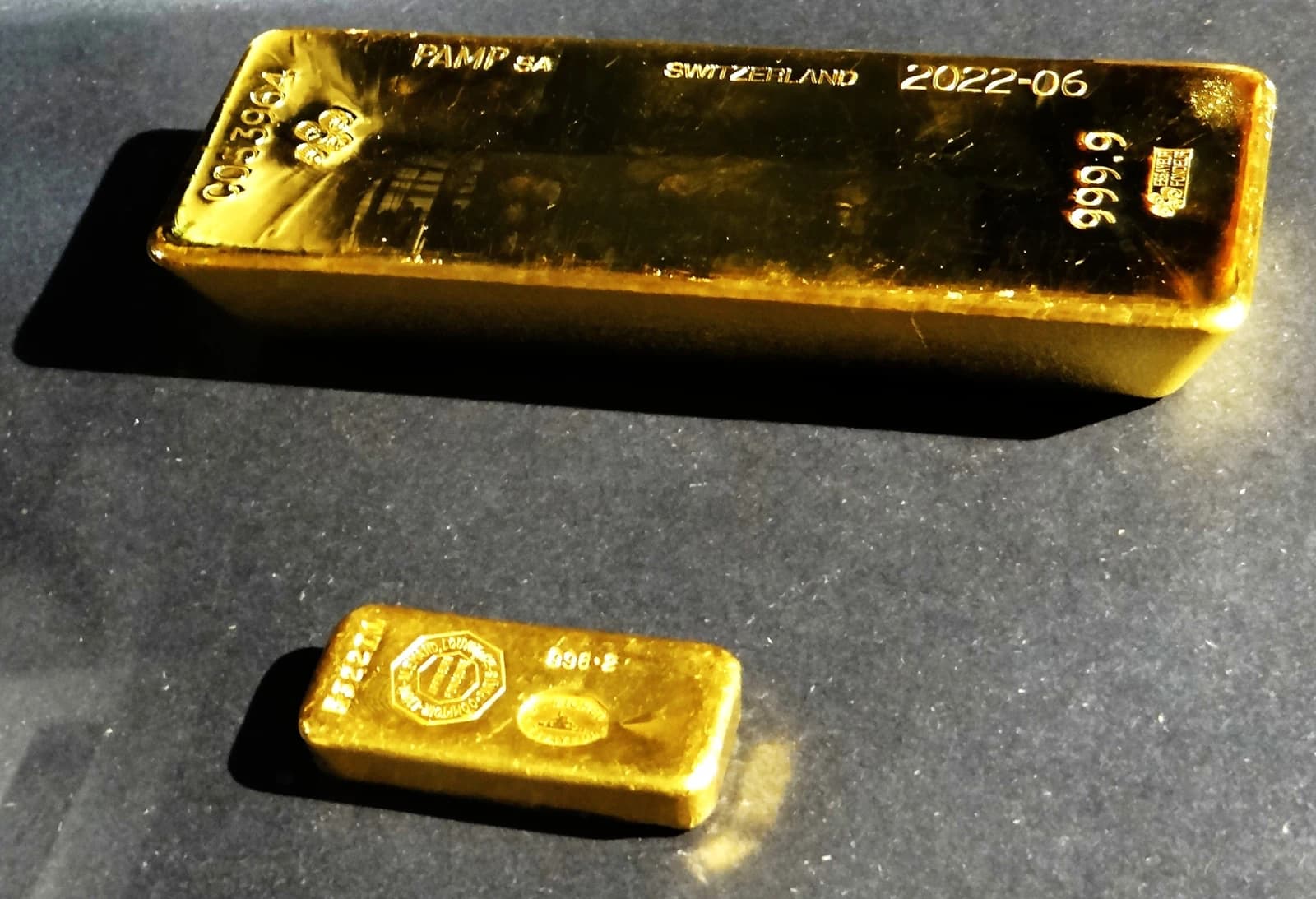
SJC gold bars recovered on Nov. 23 after a steep selloff, but the bigger market story is that Vietnam’s domestic gold premium remains exceptionally wide, keeping buyers exposed to another round of losses if global prices or the dollar turn against them.
Vietnam SJC gold premium stays wide after rebound
Gold
The move underscores how insulated local pricing has become from the international market. After starting the week at 134.5 million dong to 137.5 million dong per tael, SJC bars fell through Nov. 22 to 128.5 million dong on the buy side and 133.5 million dong on the sell side, a drop of 6 million dong and 4 million dong respectively from the week’s opening. By Nov. 23, Saigon Jewelry Co. had lifted quotes to 130 million dong to 135 million dong, showing the market had found some footing after the plunge.
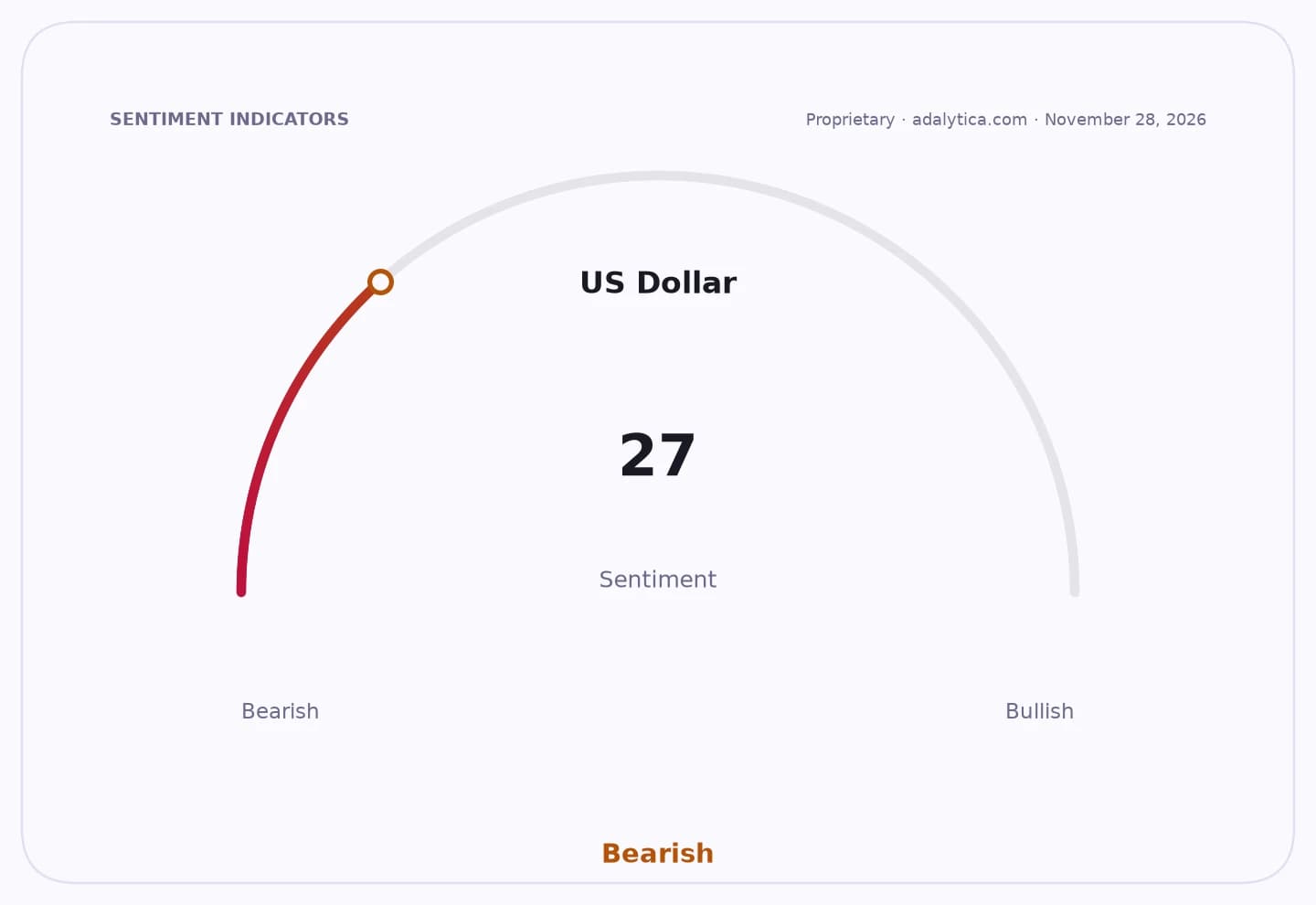
Sentiment Indicators
But the rebound does not erase the structural problem for investors: SJC bars still trade more than 22 million dong above the world price after conversion, and the gap has widened by almost 10 million dong in the past month. That premium is economically important because it makes local bullion far more expensive than international gold and leaves retail buyers vulnerable if the domestic market corrects to narrow the spread. The buy-sell gap of 5 million dong to 5.5 million dong also means anyone buying near the current level could face an immediate paper loss if forced to sell quickly.
The pressure on gold has been driven in part by the US monetary backdrop. The Federal Reserve remains hawkish, with US inflation at 3.4%, above the 2% target, keeping the dollar firm and limiting support for non-yielding assets such as gold. A stronger dollar tends to weigh on bullion globally and can also feed into Vietnam’s import costs, including raw materials and gold, while complicating inflation management at home.
That tension is reflected in the offshore market as well. Spot gold around $3,614 an ounce has stabilized, but not enough to close the domestic gap, while gold-related exchange-traded products remain technically weak. GLD’s 50-day moving average is below its 200-day moving average, and its RSI readings remain depressed, pointing to a market that has not yet fully repaired the damage from the recent drop. Adalytica’s Gold Fear & Greed Index has improved from extreme fear to a neutral 31, but that still suggests caution rather than a broad-based recovery.
For investors, the key issue is not whether gold can bounce further, but whether that bounce can outpace the premium embedded in SJC bars. Analyst Nguyễn Trí Hiếu said domestic gold could recover to 142 million dong to 145 million dong a tael, but he warned the short-term risk of another correction remains if the dollar stays strong and global bullion remains volatile. His guidance also draws a line between cash buyers and leveraged speculators: those using idle funds may be able to wait out volatility, while buyers who used borrowed money or have limited liquidity may need to cut losses.
The next catalyst is the Fed and the dollar. If US yields ease, global gold could regain momentum and support local prices. If not, Vietnam’s domestic market may keep moving in fits and starts, with SJC prices still vulnerable to sudden repricing even after the latest rebound.
| Entity | Gains | Losses |
|---|---|---|
| SJC gold holders | ▲Rebound in local quotes | ▼Still exposed to premium compression |
| New retail buyers | ▲Higher upside if rally continues | ▼Wide buy-sell spread, valuation risk |
| Global gold bulls | ▲Possible support from macro uncertainty | ▼Fed hawkishness caps gains |
| Vietnamese consumers | ▲May wait for cheaper entry | ▼Pay inflated domestic premium |