Vilnius housing investors may be watching an important turning point: the city’s new-apartment market is running out of room for prices to rise much further.
Vilnius Housing Prices Face Slower Growth

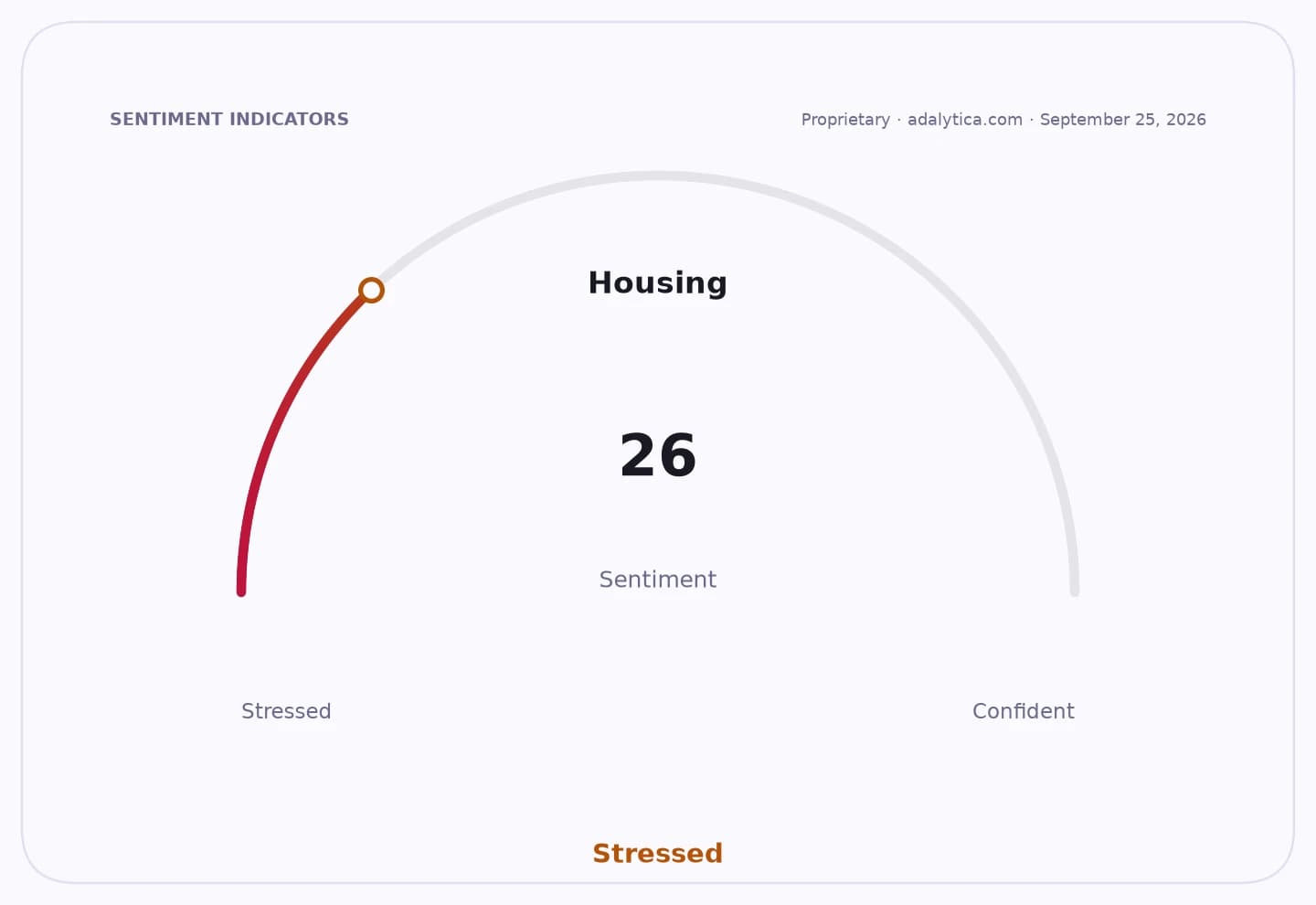
That matters because the latest numbers point to a market shifting from seller-friendly to buyer-friendly. When supply is abundant, mortgage costs are higher and demand cools, developers lose pricing power first. For anyone betting on continued apartment-price gains in Lithuania’s capital, that is a meaningful change in the investment case.
In August, the primary housing market in Vilnius was stocked with 6,034 homes, including 2,009 completed or late-stage units, 3,068 early-stage units and 905 homes still in the permitting and design phase. Buyers picked up 368 apartments during the month, while the market was replenished with 284 new units. That leaves a lot of choice for buyers, but also forces sellers to compete harder with discounts, promotions and lower listed prices.
Realco sales director Marijonas Chmieliauskas said the days of easy price gains are fading. Apartment prices rose sharply at the start of the year, with the average square meter in Vilnius at about 4,200 euros in August, roughly unchanged from June and July. At the same time, borrowing costs have moved higher, with Euribor around 2.7% versus 2.1% in March. For homebuyers, that combination has become painful enough to delay decisions.
The slowdown is showing up in the mix of demand as well. Sales of economy-class apartments, which are more sensitive to price, nearly converged with mid-market homes in August — 171 versus 165 units — after economy homes had led by more than 100 units in both June and July. That suggests the most price-conscious buyers are pulling back first, while demand in the middle of the market remains steadier.
Location is changing too. Pašilaičiai remained the most popular district for a third straight month with 55 sales, followed by Lazdynai with 53. Naujamiestis and Verkiai each logged 34, while Fabijoniškės had 32. That points to a market where everyday convenience and relative affordability matter more than prestige, which is exactly what you would expect when budgets tighten.
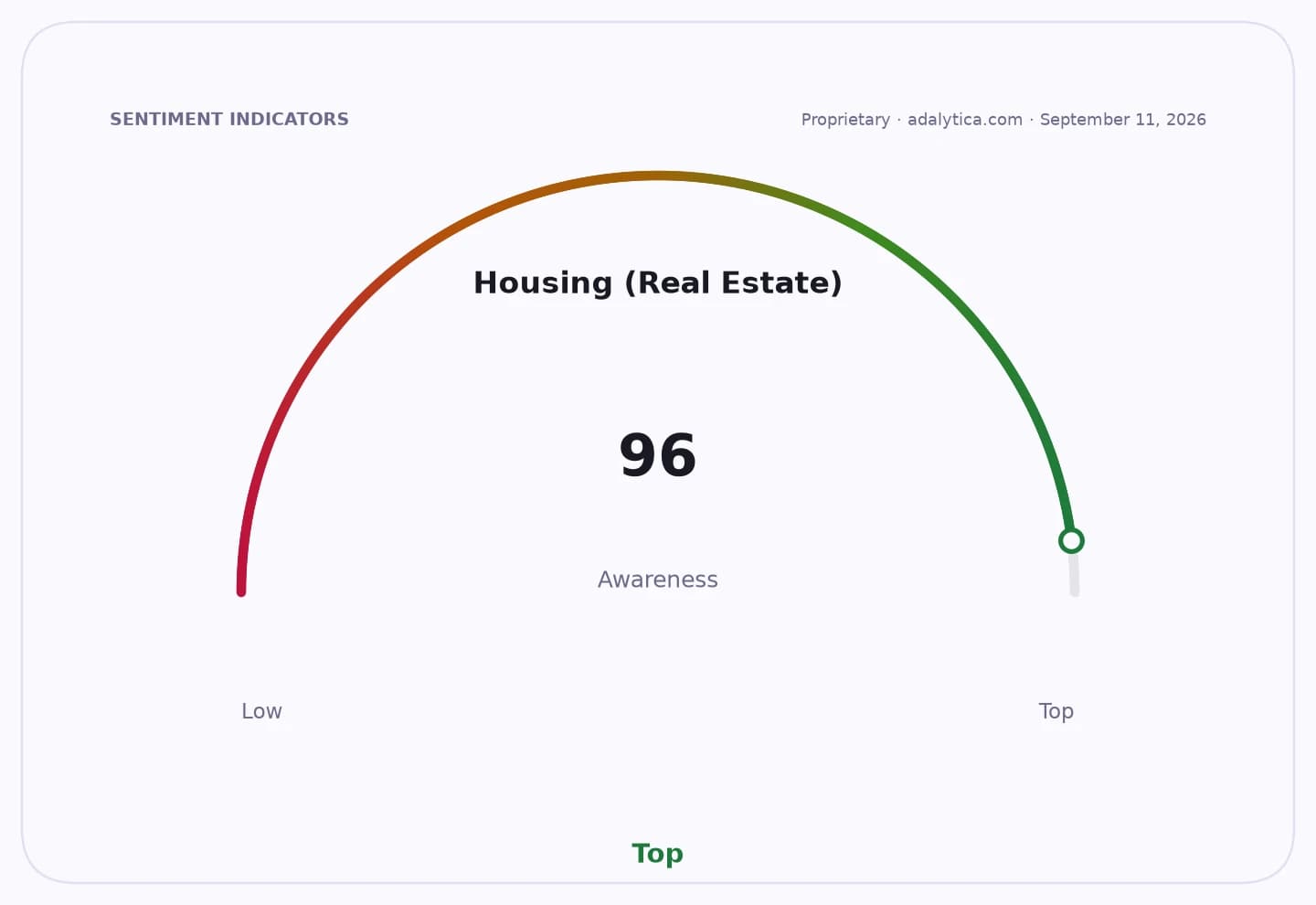
For investors, the message is straightforward: this is no longer a market where you can assume broad-based apartment inflation will bail out purchases. Higher rates, softer demand and a large pipeline of homes all argue for slower price growth, even if Vilnius remains structurally attractive over the long run. Developers with strong land banks, good execution and room to offer incentives may still fare well, but buyers are likely to have the upper hand for now.
If you own property in Vilnius, this is a market to watch, not chase. The long-term story for the city may still be intact, but near-term upside in housing prices looks limited.
| Entity | Gains | Losses |
|---|---|---|
| Homebuyers | ▲More choice, better terms | ▼Less urgency to buy |
| Developers | ▲Need to compete on value | ▼Pricing power |
| Current sellers | ▲Can still close deals | ▼Higher discount pressure |
| Price-sensitive buyers | ▲Broader supply in lower tiers | ▼Slower price appreciation |