Vilnius’s primary housing market has shifted decisively in favor of buyers, with the number of newly built apartments on offer rising to a 10-year high even as prices keep climbing.
Vilnius housing supply hits 10-year high
Housing
Developers were offering 5,875 flats in the capital at the end of October, the largest stock seen in a decade, according to Hanner data. The city’s pipeline has swollen further this year, with 6,262 new-build apartments launched in 2026, the highest annual supply since 2017. That surge matters because it changes the bargaining power in the market: more choice typically lengthens selling times, forces concessions and tests whether demand can absorb a wave of deliveries without a sharper correction in prices.
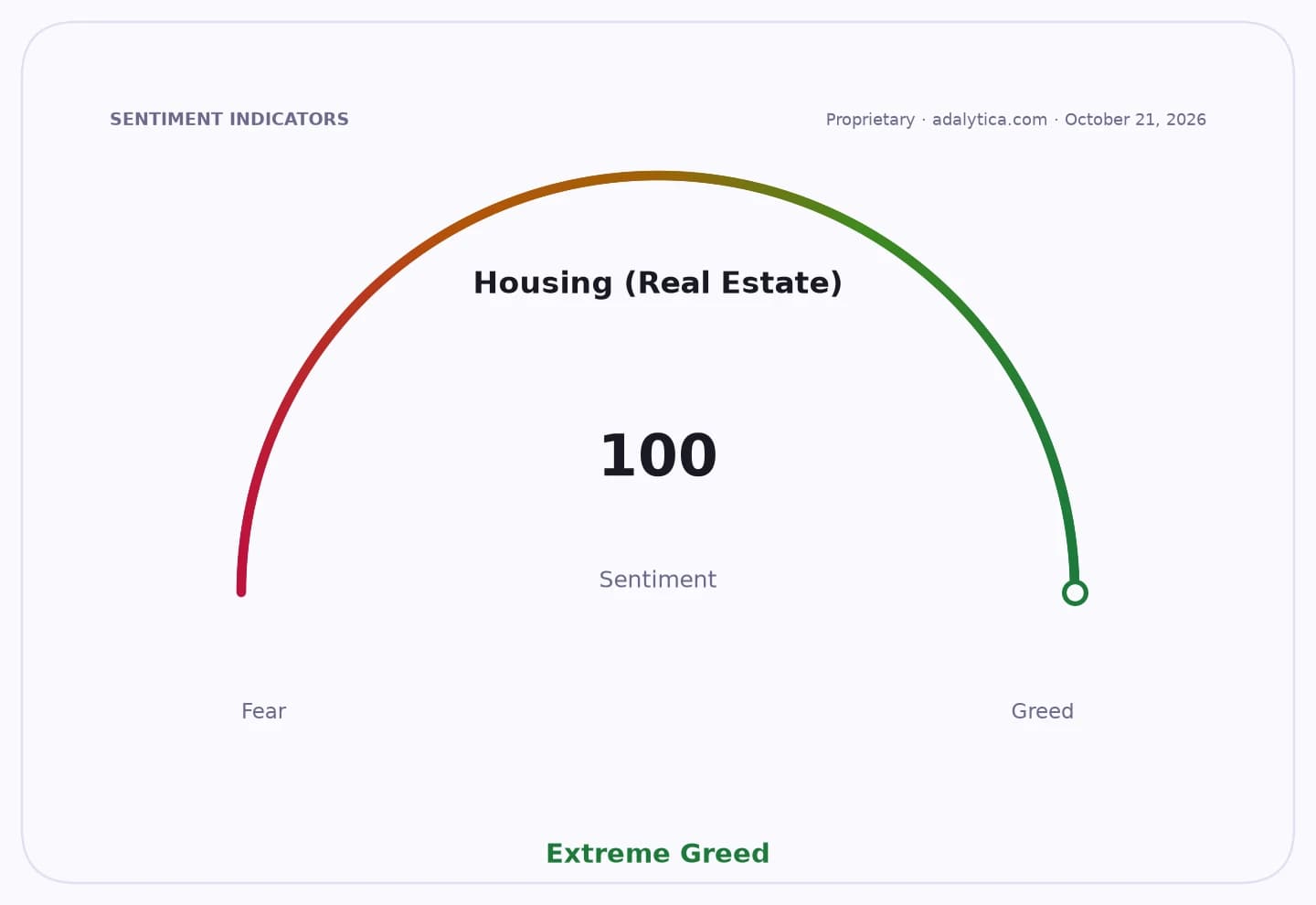
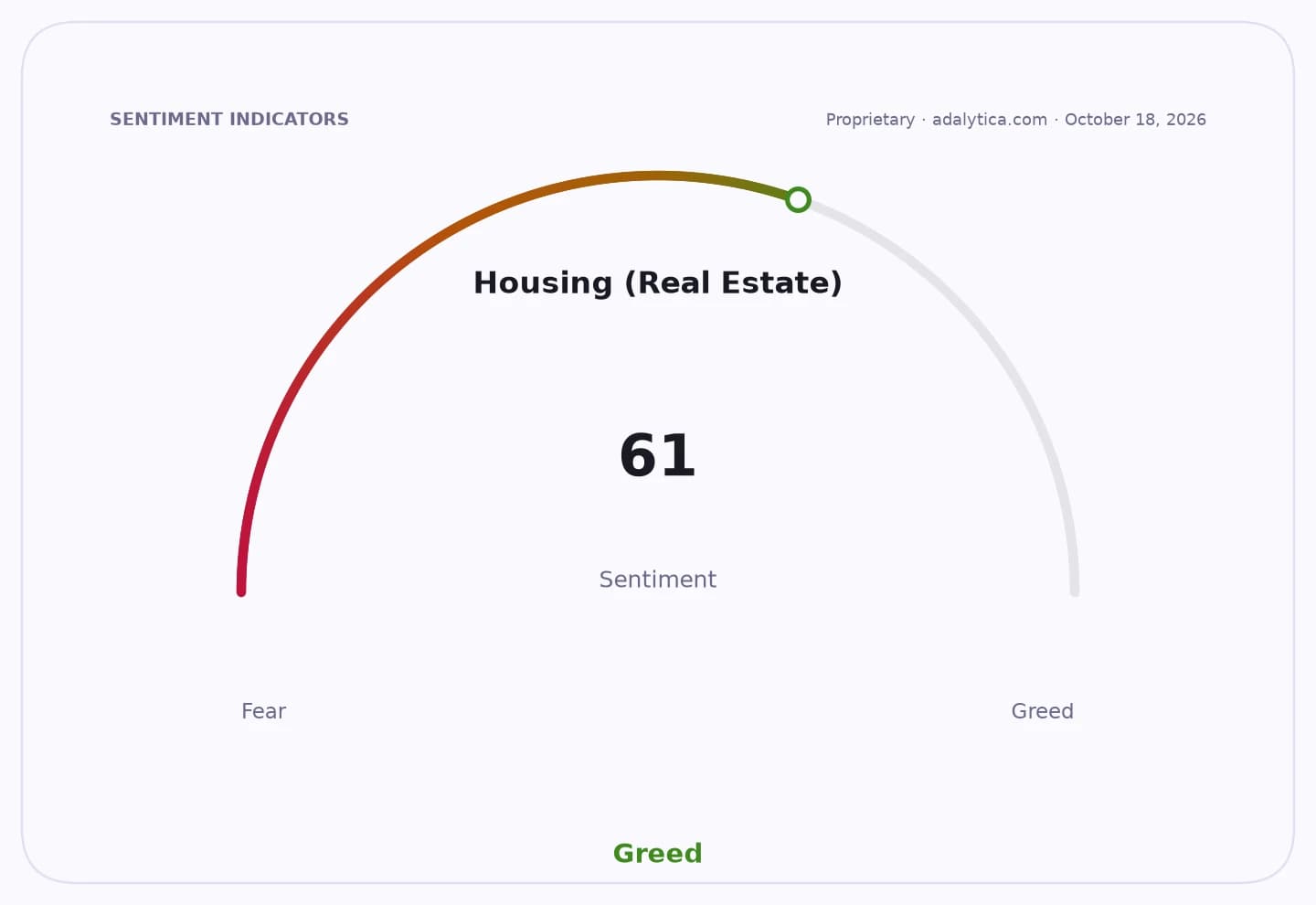
Sentiment Indicators
So far, demand has held up. Developers sold 5,109 new apartments in Vilnius from January through October, 4% more than a year earlier, with average monthly sales running at 481 units versus 461 in 2025. October sales totaled 506 units worth about 117.2 million euros, and the average transaction price reached 4,194 euros per square meter. Hanner said it sold 44 apartments last month across several projects, at an average of 4,632 euros per square meter.
The price backdrop is still firm. The average asking price for available flats stood at 4,193 euros per square meter at the end of October, up 12.1% from a year earlier and 7.7% since the start of the year. The cheapest units in the primary market were priced at 2,122 euros per square meter, while premium stock reached 11,926 euros. That spread highlights how the current supply burst is unevenly distributed: most of the stock is in the lower-priced segment, where 3,155 apartments were on offer, while the mid-market remained comparatively thin at 1,271 units.
For investors, the key question is whether Vilnius is entering a phase of normalization or simply digesting a delayed wave of development. On one hand, record supply gives households more negotiating power and may eventually cool price growth, especially if mortgage costs or broader economic conditions soften demand. On the other, the fact that sales volumes are still rising and annual turnover has already topped 1 billion euros suggests the market is not oversupplied in a disorderly way. Instead, it looks like a rebalancing after a prolonged shortage, with developers betting that a growing city, limited existing stock and persistent household demand can absorb the new apartments.
The next test will be whether sales keep pace through the winter and whether developers begin to trim prices or offer incentives to clear inventory. If they do not, Vilnius could be heading toward a more buyer-friendly phase after years of tight supply; if demand stays resilient, the record stock may simply mark a larger, more liquid market rather than a turning point in the cycle.
| Entity | Gains | Losses |
|---|---|---|
| Homebuyers | ▲More choice, stronger negotiating power | ▼Less urgency to buy |
| Developers | ▲Higher sales volumes, larger market turnover | ▼More inventory to clear |
| Existing owners | ▲Potentially stronger resale support from firm prices | ▼Risk of slower appreciation |
| Rental market | ▲Possible pressure to ease if purchase options improve | ▼Landlords if demand shifts to buying |