Seoul’s apartment market is showing the first signs of a policy-driven cooling, with listings rising 33% in three months after the government’s Aug. 3 tax reform plan — but the bigger question for homeowners and investors is whether the extra supply will translate into durable price stabilization.
Seoul apartment listings rise after tax reform plan
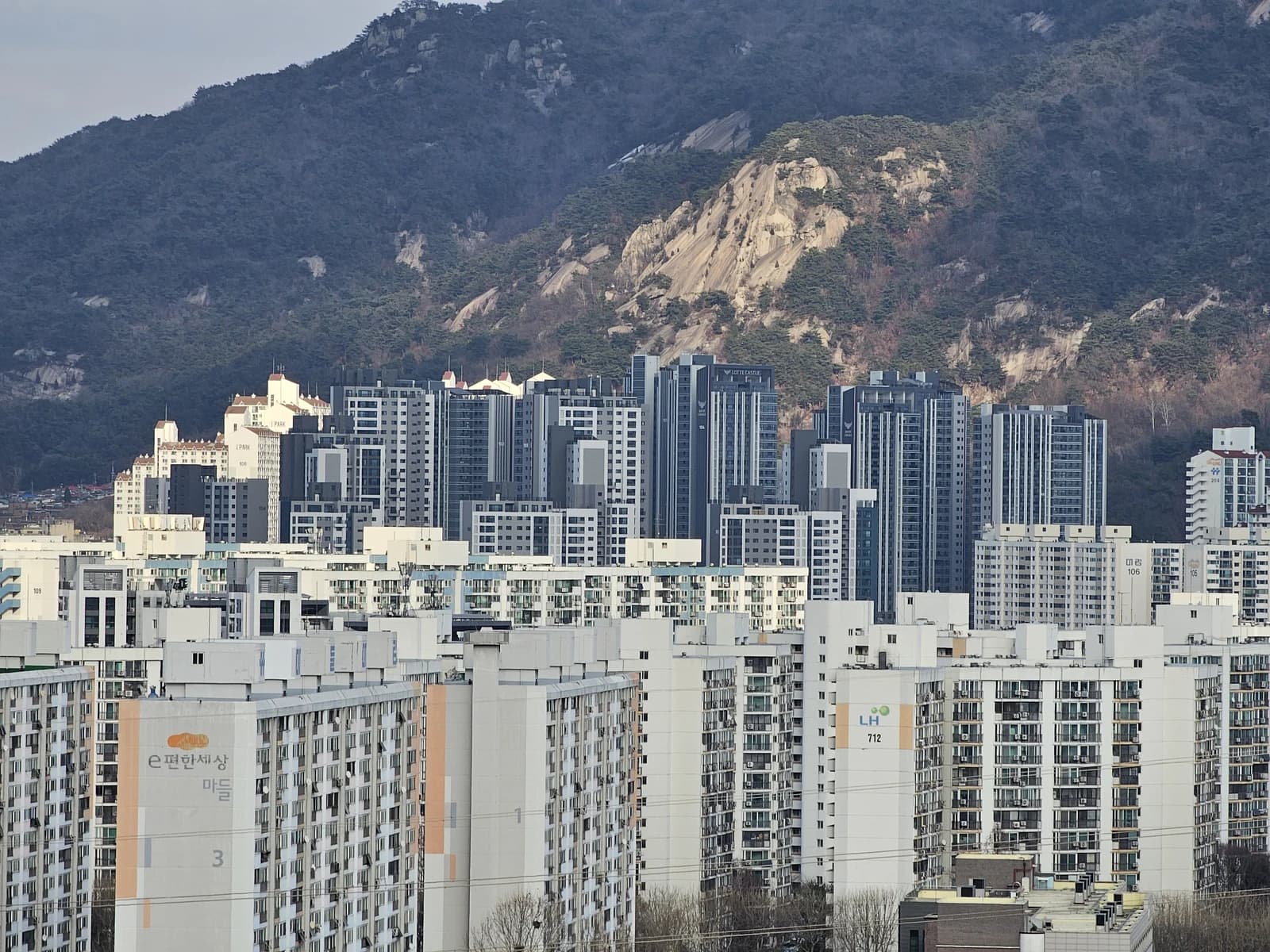
The increase in for-sale inventory to 80,528 units from 60,409 has come alongside a sharp drop in transactions, which fell 42.4% in September from a year earlier. That combination usually points to buyers gaining leverage. Yet the latest price data suggests the market is fragmenting rather than broadly softening: apartments in Gangnam, Seocho and Songpa are falling, while the rest of Seoul’s 22 districts are still rising.
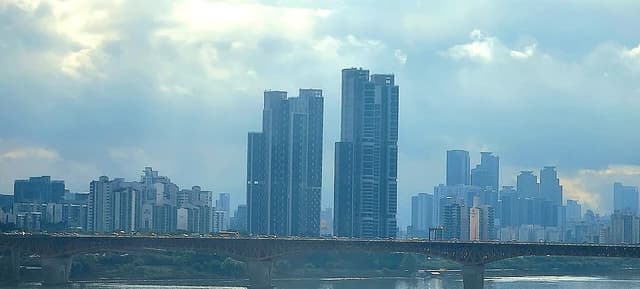
That matters economically because Seoul housing sits at the center of South Korea’s household balance sheets, mortgage demand and consumer confidence. If more owners rush to sell ahead of tighter tax deadlines, prices could ease further in premium districts and help restrain expectations across the market. But if that inventory is temporary, the policy impact may fade quickly, leaving affordability little improved while transaction volumes remain weak.
The current setup is strikingly similar to 2021, when tax tightening also pushed listings higher before many owners pulled homes back off the market. Back then, Seoul listings rose 18.4% between March and May, but fell again ahead of the June 1 tax date. Prices barely cooled for long. Seoul’s monthly apartment price gains slowed from 0.67% in February 2021 to 0.43% in April, then accelerated again to 0.98% in June as supply tightened.
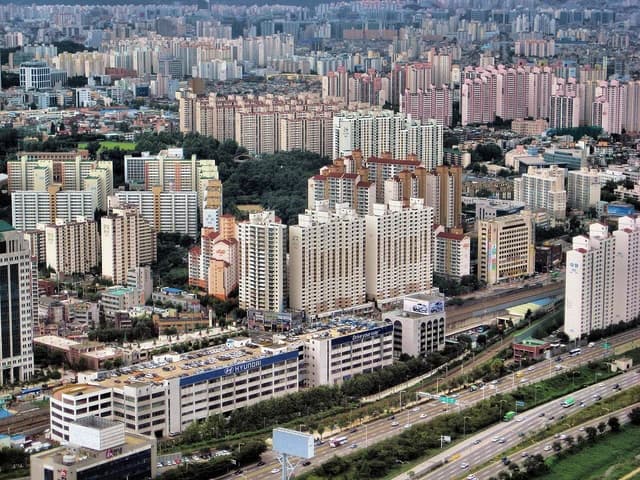
That history is why economists and brokers are watching next spring, when the next tax deadline could again change seller behavior. Some owners may try to close deals early in the year to avoid heavier holding costs, but others could withdraw listings if they conclude the discount needed to sell is too deep. If that happens, the market could repeat the 2021 pattern: fewer listings, tighter supply and renewed price pressure.
For investors, the key implication is that a listings surge is not the same as a lasting housing correction. It may briefly improve pricing power for buyers and cap upside in the most expensive districts, but unless Seoul sees sustained supply growth, more credible information on future deliveries and a higher transaction pace, stabilization may prove temporary.
The policy takeaway is also broader than taxes. Officials and market participants are arguing that confidence in future supply — including clearer timelines for public land compensation, starts and sales — will matter as much as tax changes in calming demand. Without that, the market may simply shift from active buying to waiting, which can suppress transactions without fully resetting prices.
| Entity | Gains | Losses |
|---|---|---|
| Homebuyers in Seoul | ▲More listings, better bargaining power | ▼Slower price discovery |
| Existing homeowners, especially in Gangnam | ▲Potential price pressure | ▼Lower selling prices, weaker liquidity |
| Policymakers | ▲Short-term evidence of cooling | ▼Risk of a temporary rather than lasting effect |
| Real estate investors/REITs | ▲Possible entry points if prices soften | ▼Exposure if supply is withdrawn and prices reaccelerate |