New apartment sales in Vilnius fell sharply in October, a sign that higher borrowing costs and rising supply are starting to cool one of the Baltic region’s most active housing markets.
Vilnius New Apartment Sales Fall 28% in October
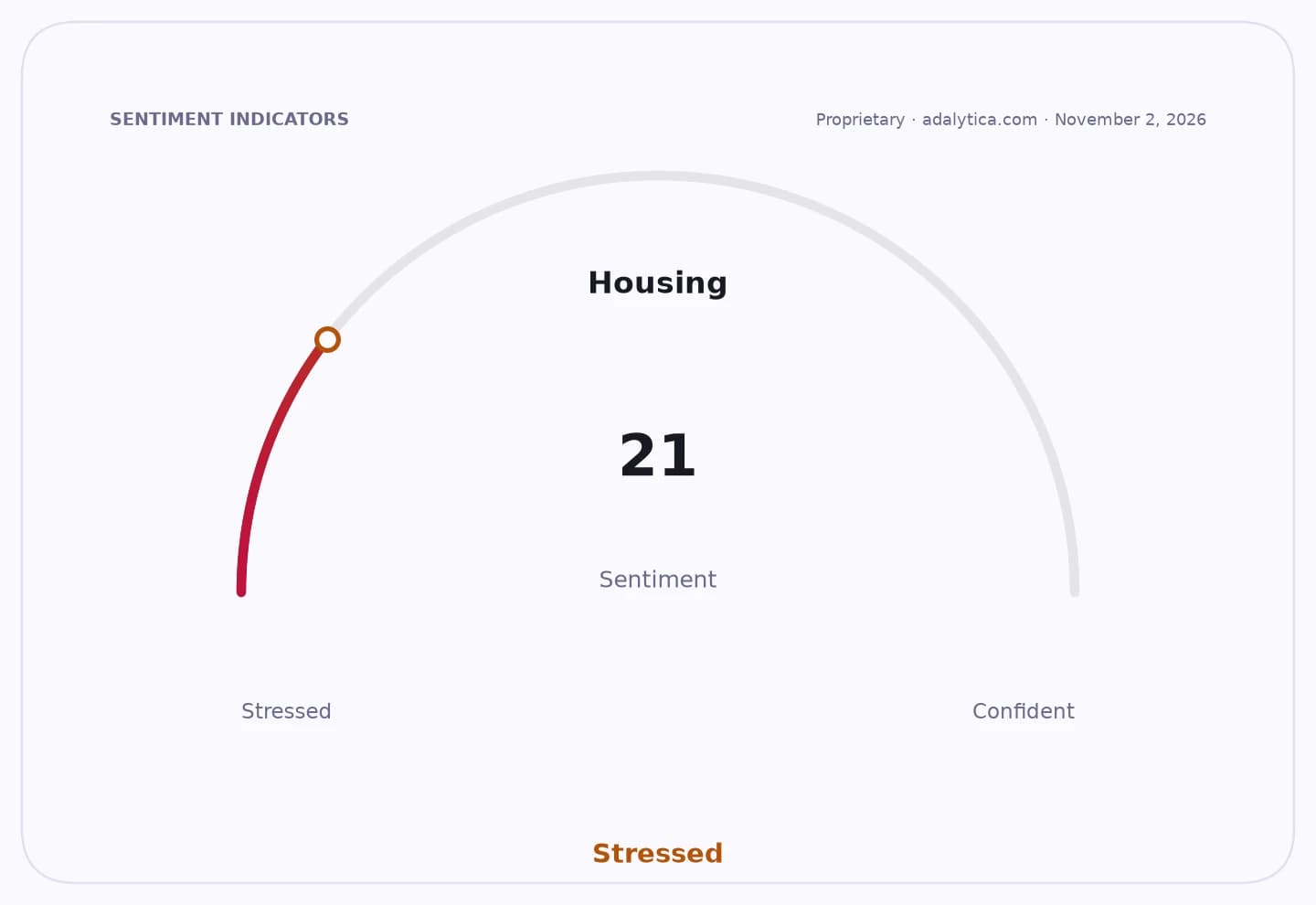
Housing
EIKA Development said 301 new flats were sold in the Lithuanian capital last month, down 28% from September and 36% below a year earlier. The slowdown matters because Vilnius has been one of the region’s clearer gauges of household confidence, mortgage appetite and developer momentum, and a drop of that size suggests buyers are becoming more selective just as inventory expands.
Sentiment Indicators
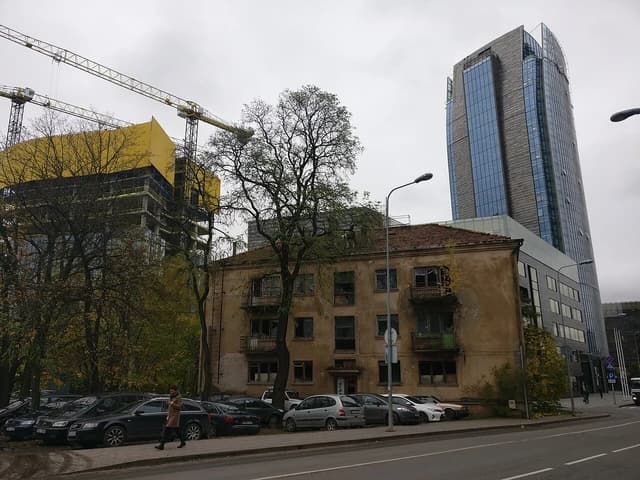
The pullback was led by the middle of the market, where sales nearly halved from September to 101 units. Economy-class apartments held up better, with 179 sold, while premium homes were broadly flat at 21 units. That split suggests affordability is still the main source of demand, while higher monthly payments and a longer decision cycle are squeezing the broader buyer base.
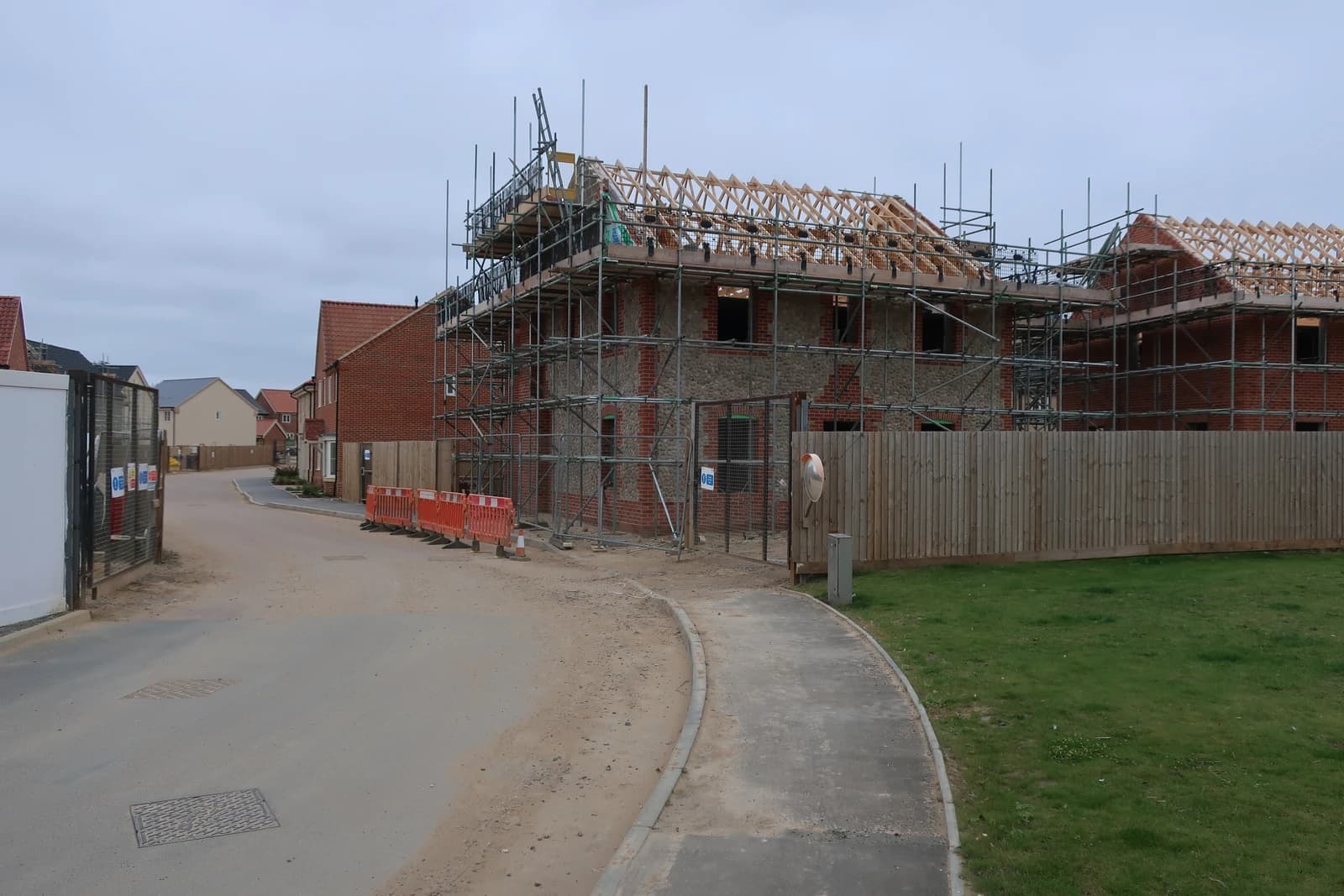
Developers are facing a more challenging backdrop. Only 186 new apartments were added to the market in October, far fewer than the 563 launched in September, but total supply still stood at 5,277 homes at month-end, up 17% from a year earlier. That combination — weaker take-up but elevated inventory — is the kind of setup that can pressure pricing power and lengthen sales cycles across the sector.
EIKA Development’s Thomas Žiaugra said one month does not make a trend, but he pointed to higher interest rates, more supply and political uncertainty abroad as reasons buyers are hesitating. For investors, that is the key risk: when mortgage costs rise and households wait, the market does not just cool — it can re-rate. Developers with land banks, construction exposure or financing needs tend to feel that first.
Still, the market is not breaking, and that is what makes it interesting. A supply overhang in the short term can create opportunity in the long term, especially for developers that can buy land or acquire projects at better prices while smaller players are forced to slow down. If sales stabilize, the strongest operators should emerge with more market share and better margins once demand returns.
The bigger investment takeaway is that Vilnius housing is shifting from a fast-moving seller’s market into a more selective, rate-sensitive market. That favors balance-sheet strength, low-cost funding and exposure to affordable units over speculative development at the top end. In other words, the market underestimates how quickly affordability can become the defining theme in Baltic housing.
| Entity | Gains | Losses |
|---|---|---|
| Economy-class buyers | ▲Better negotiating power | ▼Fewer premium options |
| Strong developers | ▲Share gain from weaker rivals | ▼Slower near-term turnover |
| Mortgage lenders | ▲Longer loan discussions | ▼Delayed closings |
| Higher-cost sellers | ▲Stable premium pricing | ▼Falling midsize sales |