Vinhomes has approved a private bond issuance worth 3,000 billion dong, a move that gives Vietnam’s largest residential developer another funding channel at a time when property firms face tighter credit conditions and investors are watching balance-sheet strain across the sector.
Vinhomes Approves 3,000 Billion Dong Bond Issue
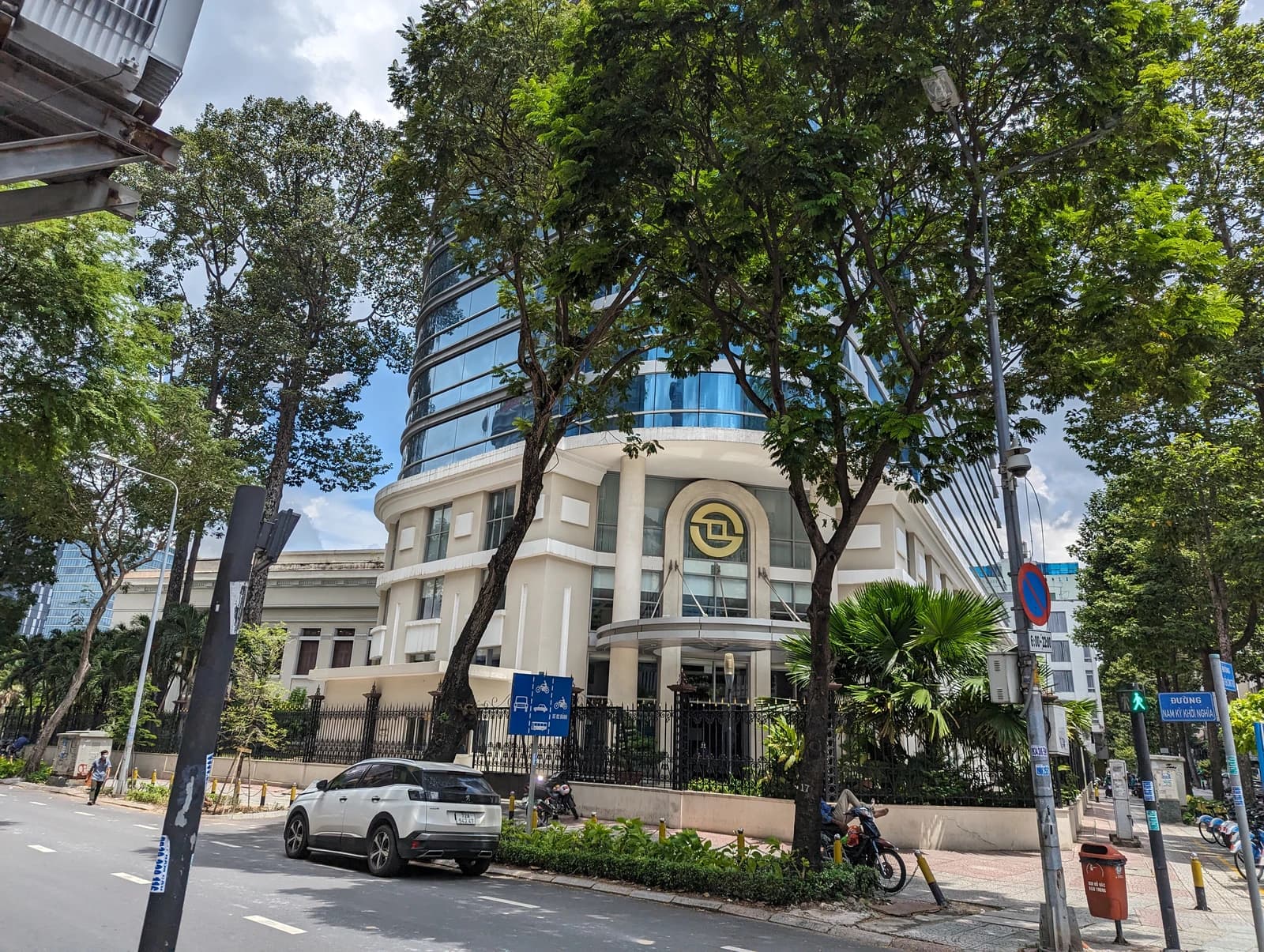
The planned bond sale matters because financing remains the key constraint for Vietnamese real estate groups. A private placement allows Vinhomes, ticker VHM, to raise money faster and with more flexibility than a public market offer, while preserving access to domestic capital even as banks and bond investors remain cautious after a period of regulatory scrutiny and property-market stress.
For Vinhomes, the issue adds to a funding toolkit that is crucial for land acquisition, project development and debt management. Real estate developers in Vietnam have relied heavily on short- and medium-term borrowing to bridge long project cycles, and tighter lending conditions have made capital markets more important. A 3,000 billion dong package is sizable enough to support ongoing investment plans, but it also keeps attention on how the company structures maturities and coupon costs.
The market’s focus will be on whether the bonds are secured, their tenor and pricing, and whether proceeds are earmarked for refinancing or expansion. A cheaper or longer-dated bond would ease pressure on cash flow and improve visibility for equity holders. A more expensive deal, by contrast, would underline the cost of financing in a sector still recovering from a slump in sentiment and liquidity.
For investors, the issuance is both a signal of access and a reminder of risk. Vinhomes remains one of the strongest names in Vietnamese property, but leverage, project execution and sector-wide financing conditions continue to shape valuation. The company’s ability to place debt on acceptable terms will be watched as a gauge of broader confidence in top-tier developers and as an indicator of whether Vietnam’s property funding market is normalizing or still under strain.
If the bond is absorbed smoothly, it could reinforce Vinhomes’ relative funding advantage over smaller peers. If terms are punitive, it would suggest the sector’s recovery is still incomplete and that capital discipline, not just sales demand, will determine the next phase for developers.
| Entity | Gains | Losses |
|---|---|---|
| Vinhomes (VHM) | ▲More funding flexibility | ▼Higher leverage risk |
| Existing shareholders | ▲Project continuity | ▼Potential dilution of returns |
| Bond investors | ▲New fixed-income paper | ▼Credit exposure to property sector |
| Smaller property developers | ▲Benchmark for access | ▼Tougher funding comparison |